Umang Sisodia • • 4 min read • 10 views
China and US Strike $30 Billion Tariff Cut, Launch AI Dialogue in Xi’s Historic Visit
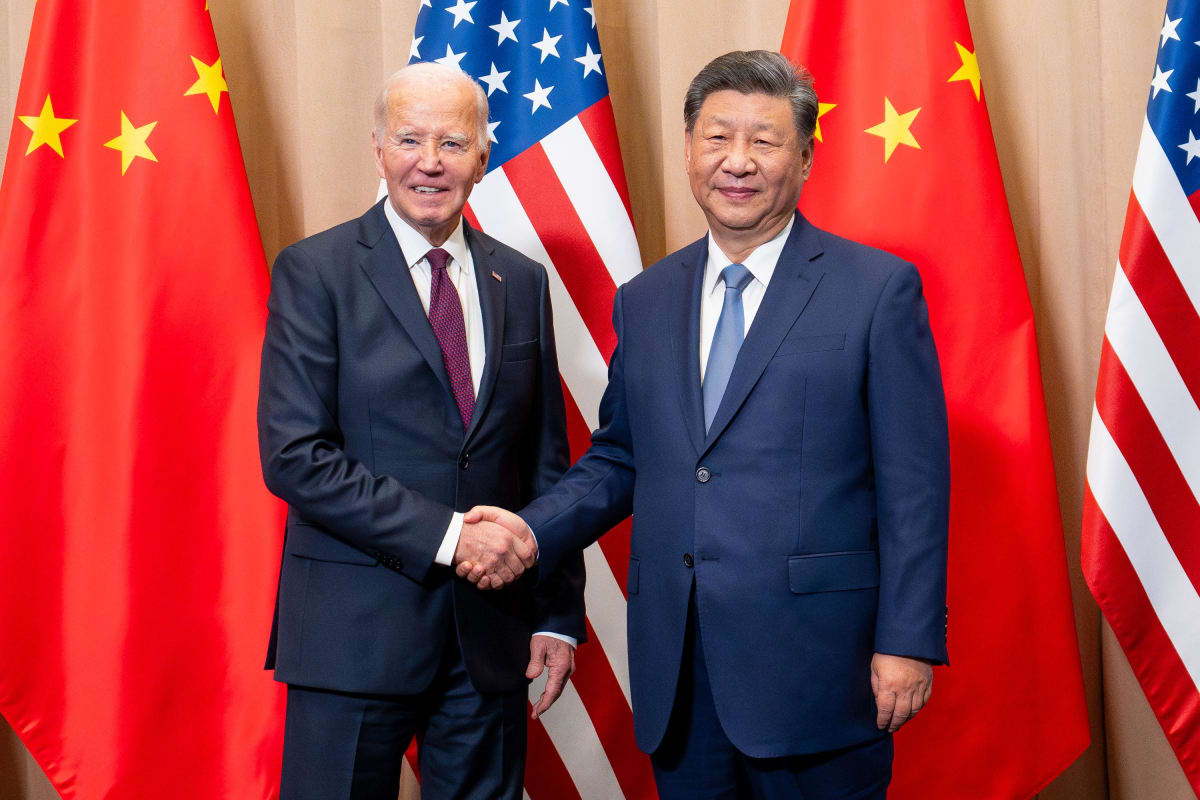
The diplomatic arena was electrified this week as China and the United States announced a landmark agreement to slash $30 billion worth of tariffs, while simultaneously opening a high‑level dialogue on artificial intelligence. The news has surged across Google Trends, dominating headlines from Reuters to CNBC, and is being hailed as a potential turning point in the often‑tense bilateral relationship.
The Breakthrough Deal: $30 Billion Tariff Reduction
During President Xi Jinping’s state visit to Washington, negotiators from both sides unveiled a mutually‑agreed schedule to roll back tariffs that have hampered trade for years. The pact targets a range of goods—from agricultural products to high‑tech components—aiming to restore market confidence and reduce costs for businesses on both continents.
What the Agreement Entails
- Immediate reduction of $10 billion in tariffs on selected agricultural imports.
- Phased removal of $15 billion in duties on consumer electronics over the next 18 months.
- Long‑term review mechanism to assess an additional $5 billion worth of tariffs tied to intellectual‑property disputes.
- Joint monitoring committee to ensure compliance and address any trade‑distortion concerns.
"This agreement reflects a shared commitment to economic stability and a constructive partnership," said a senior U.S. trade official in a post‑summit briefing.
Why This Is Trending Across Google and Newsrooms
The announcement hit the headlines at a time when global supply‑chain disruptions and geopolitical frictions have kept the world on edge. Several factors fuel its virality:
- Economic stakes: $30 billion represents a sizable chunk of bilateral trade, directly affecting millions of jobs.
- Political symbolism: The deal arrives amid a broader push for strategic stability, signaling a thaw after years of tariff wars.
- AI focus: The simultaneous launch of an AI dialogue adds a futuristic dimension that captures tech‑savvy audiences.
- Media amplification: Major outlets like Reuters, CNBC, and The Times of India ran front‑page stories, pushing the narrative into the public sphere.
 US delegation press conference Beijing
The AI Dialogue: A New Chapter in Bilateral Cooperation
In a parallel track, President Xi and the U.S. delegation opened a formal conversation on artificial intelligence governance, data ethics, and collaborative research. Both nations recognize AI’s dual‑use nature—its capacity to drive economic growth while posing security challenges.
Key points from the AI talks include:
- Establishment of a joint task force to develop standards for responsible AI deployment.
- Exchange programs for scientists and engineers to foster cross‑border innovation.
- Shared research funding aimed at tackling climate change and healthcare using AI tools.
The AI dialogue underscores a shift from rivalry to partnership in emerging technologies, a narrative that resonates strongly on social platforms and search engines alike.
Strategic Context and Historical Backdrop
The current accord builds on a series of high‑level engagements dating back to the 1970s, but it is the first time that a tariff reduction of this magnitude has been paired with an explicit AI cooperation framework. Past tensions—ranging from the 2018 trade war to recent technology bans—have left both economies wary. By addressing trade barriers and tech governance together, the leaders aim to craft a more resilient and predictable bilateral relationship.
Potential Ripple Effects and Future Outlook
Analysts project several downstream impacts:
- Market stabilization: Commodity and tech stock indices are likely to rebound as investors digest the reduced tariff risk.
- Supply‑chain realignment: Companies may recalibrate sourcing strategies, shifting some production back to the U.S. or China to capitalize on lower duties.
- Global AI standards: The joint task force could influence international norms, positioning both nations as leaders in ethical AI.
- Geopolitical signaling: Other major powers may be prompted to pursue similar trade‑tech pacts, reshaping the global economic architecture.
In sum, the $30 billion tariff cut and AI dialogue represent a dual‑track diplomacy that could redefine the China‑U.S. relationship for the next decade. As the world watches, the real test will be how swiftly the agreed‑upon measures translate into concrete actions on the ground.
Original Reporting & Source: Reuters

Discussion (0)
Sign in to join the discussion.
No comments yet. Be the first to start the conversation!