Umang Sisodia • • 3 min read • 3 views
Teen’s Fatal Collapse at MP Ganesh Procession Sparks Debate Over Loud DJ Music
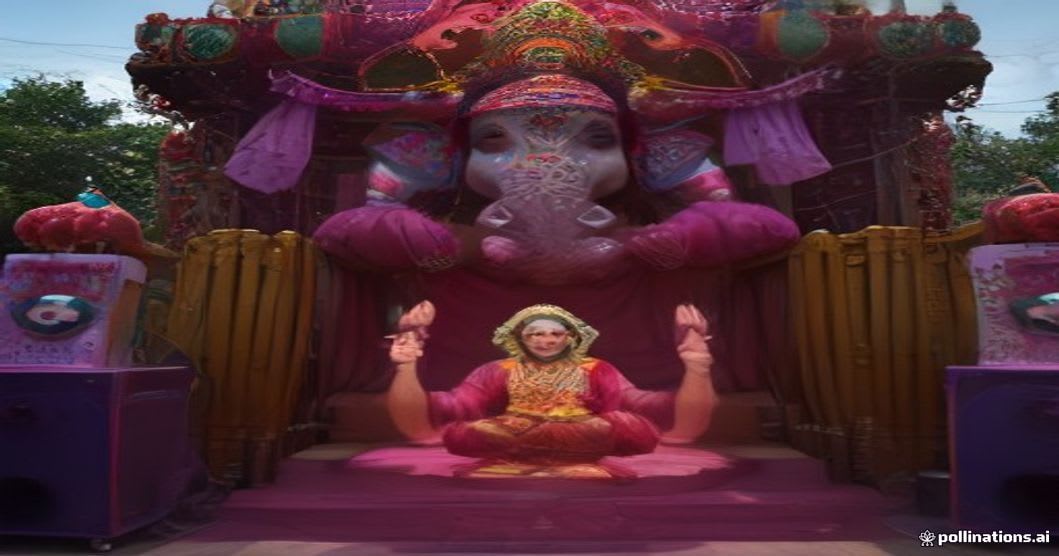
Tragedy at the Ganesh Procession
On October 12, 2024, a 17‑year‑old student from a small town in Madhya Pradesh collapsed and later died during a Ganesh Chaturthi procession. The family alleges that the blaring DJ music—a recent addition to traditional celebrations—triggered a fatal cardiac event. The incident quickly became a national talking point, dominating headlines on India Today, The Quint Voices, and other platforms.
The Incident
- Location: A bustling lane in the town of Satna, Madhya Pradesh, where the annual Ganesh Chaturthi procession winds through residential streets.
- Time: Around 7 p.m., when the procession reached its climax and a DJ set amplified the festive beats.
- Victim: Rohit Sharma, a 17‑year‑old high‑school student, was seen dancing with friends before he clutched his chest and fell.
- Immediate response: Bystanders called emergency services; paramedics arrived within 15 minutes, but Rohit was declared dead at the hospital.
"We heard the music getting louder and louder, and within minutes my son collapsed. This could have been avoided," Rohit’s mother, Sunita Sharma, told reporters.
Why It’s Trending
The story struck a chord for several reasons:
- Cultural clash: Traditional religious processions are now being modernised with DJ booths, sparking a debate about preserving heritage versus embracing contemporary entertainment.
- Public health concerns: Experts are questioning whether high-decibel music can exacerbate underlying health conditions, especially among teenagers.
- Social media amplification: Short video clips of the procession, the DJ setup, and the grieving family went viral on platforms like Instagram and X, prompting #GaneshProcessionDebate to trend on Google Trends.
- Policy implications: Local authorities in Madhya Pradesh have been under pressure to regulate sound levels at public events, a rule that was previously lax.
Investigation & Legal Response
 MP police press conference Ganesh incident
The Madhya Pradesh Police opened a case under Section 304 of the Indian Penal Code, citing “negligence leading to death.” A forensic team is examining:
- Audio recordings to determine the exact decibel levels.
- Medical reports to ascertain whether Rohit had pre‑existing cardiac issues.
- DJ equipment logs for power output and placement.
The state government has announced a temporary moratorium on amplified sound systems at religious gatherings until a comprehensive safety guideline is drafted.
Broader Implications
- Public policy: If the investigation confirms a causal link, we could see stricter noise‑control regulations across India, similar to the Noise Pollution (Regulation and Control) Rules, 2000 but with tighter enforcement.
- Event management: Organisers may need to hire certified sound engineers and conduct health‑risk assessments before deploying high‑volume equipment.
- Community dialogue: The incident has ignited conversations among cultural custodians, youth groups, and health professionals about balancing celebration with safety.
Key Takeaways
- Safety first: Event planners must prioritize health screenings and sound‑level monitoring, especially in densely packed gatherings.
- Regulatory oversight: Authorities are likely to tighten noise‑control norms, impacting future festivals nationwide.
- Cultural sensitivity: Modern additions to traditional events should be introduced with community consent and risk assessments.
The tragic loss of Rohit Sharma serves as a stark reminder that festivity should never come at the cost of life. As investigations unfold, the nation watches closely, hoping for reforms that honor both tradition and the well‑being of its citizens.
Original Reporting & Source: India Today Top Stories

Discussion (0)
Sign in to join the discussion.
No comments yet. Be the first to start the conversation!