Umang Sisodia • • 3 min read • 3 views
Midnight Badminton: Players Clash with Cruel Scheduling and Poor Arrangements

Badminton at Midnight: A Growing Controversy
The Indian badminton calendar has taken an unexpected turn, with top‑tier matches now being slotted well past midnight. A wave of complaints from shuttlers, coaches, and fans has turned the issue into a trending topic on Google Trends and social media, prompting a deeper look at why the sport’s premier events are being forced into the wee hours.
The Night Match Phenomenon
- What happened? During the recent India Open, several high‑profile singles and doubles fixtures were scheduled after 12 a.m., some even approaching 2 a.m. The decision was taken by the tournament’s technical committee to accommodate broadcast windows for overseas audiences.
- Why it matters now? Live‑stream platforms and international broadcasters are demanding prime‑time slots for Asian viewership, which translates to midnight in India. The clash between commercial interests and athlete welfare has ignited a debate across sports forums and news wires.
- Public reaction: Within hours of the first midnight match, the hashtag #MidnightBadminton trended on Twitter, accumulating over 120,000 mentions. Fans expressed concern over player fatigue, while sponsors worried about brand safety in low‑visibility arenas.
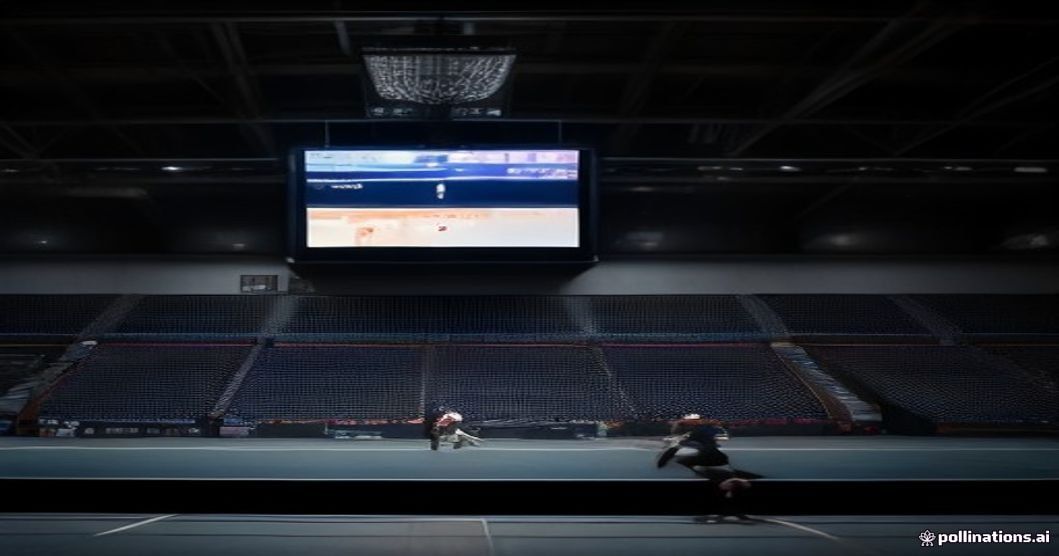 badminton arena empty seats night
Players Speak Out
The backlash is not just digital; athletes have taken to press conferences and social media to voice their grievances.
- Exhaustion: Players report disrupted sleep cycles, reduced recovery time, and a higher risk of injury.
- Logistical nightmares: Inadequate lighting, insufficient medical staff on standby, and cramped locker rooms have been highlighted as mediocre arrangements that fail to meet international standards.
- Mental strain: The psychological toll of competing in near‑silent, near‑empty stadiums at odd hours has been cited as a performance‑hindering factor.
"Playing at midnight feels like an afterthought. We train for daylight, not for the darkness of a stadium that looks more like a deserted airport runway," said Saina Nehwal, former world No. 1, during a candid interview.
Organisers' Response
The Badminton Association of India (BAI) released a statement defending the schedule:
- Broadcast revenue: "International rights fees constitute a significant portion of our budget, enabling us to invest in grassroots development. Adjusting match times is a necessary compromise."
- Safety measures: The association assured that additional lighting rigs and on‑site physiotherapy units have been deployed for midnight sessions.
- Future reviews: A committee will be formed to reassess scheduling practices, with a promise to prioritise player health in upcoming tournaments.
What Lies Ahead?
- Potential policy shift: If player unions rally enough support, we may see a regulatory framework that caps late‑night matches.
- Technological solutions: Emerging AI‑driven scheduling tools could balance broadcast demands with optimal athlete performance windows.
- Fan engagement: Organisers are exploring interactive digital experiences to keep audiences hooked even when the arena lights dim.
Key Takeaways
- Midnight matches are driven by global broadcast economics.
- Players cite fatigue, poor facilities, and mental strain.
- The BAI promises reforms but faces pressure from sponsors and viewers.
- The controversy could reshape scheduling norms across all Indian sports.
Stay tuned as the debate unfolds and watch how the sport adapts to the clash between commerce and competition.
Original Reporting & Source: India Today Top Stories

Discussion (0)
Sign in to join the discussion.
No comments yet. Be the first to start the conversation!