Umang Sisodia • • 3 min read • 3 views
Arnab Storm Triggers Deaths in UP, Floods in Chhattisgarh & Alerts in Bihar – Chaos Across 14 Indian States
Overview
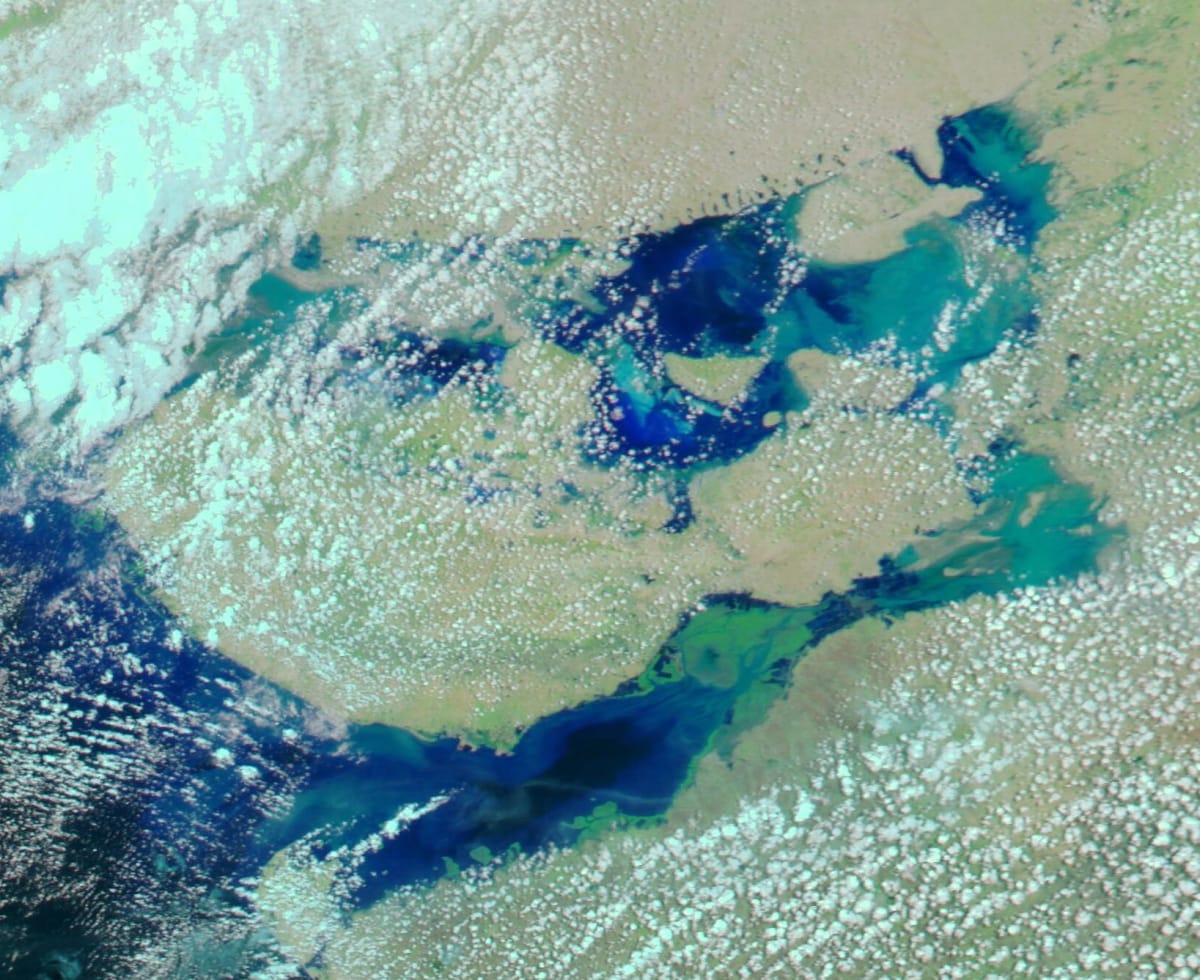
The Indian subcontinent is once again grappling with a monsoon‑induced crisis. A low‑pressure system dubbed Arnab has unleashed torrential rains across northern and central India, leaving 13 dead in Uttar Pradesh, rivers bursting their banks in Chhattisgarh, and flood alerts issued for Bihar. Within hours the situation escalated, affecting 14 states and prompting an unprecedented multi‑state disaster response.
The Toll in Uttar Pradesh
Uttar Pradesh, India's most populous state, reported 13 fatalities as waterlogged roads turned into death traps. The victims, ranging from farmers caught in sudden flash floods to children swept away near railway tracks, highlight the sheer unpredictability of the storm.
- Key figures (as of 10 am, 27 Sept):
- Deaths: 13
- Injured: 27
- Houses damaged: ~1,200
- Relief camps opened: 8
"Our priority is to rescue every stranded family and restore basic services. The army, NDRF and state forces are on the ground 24/7," said Uttar Pradesh Chief Minister Yogi Adityanath during a press briefing.
Flooding in Chhattisgarh
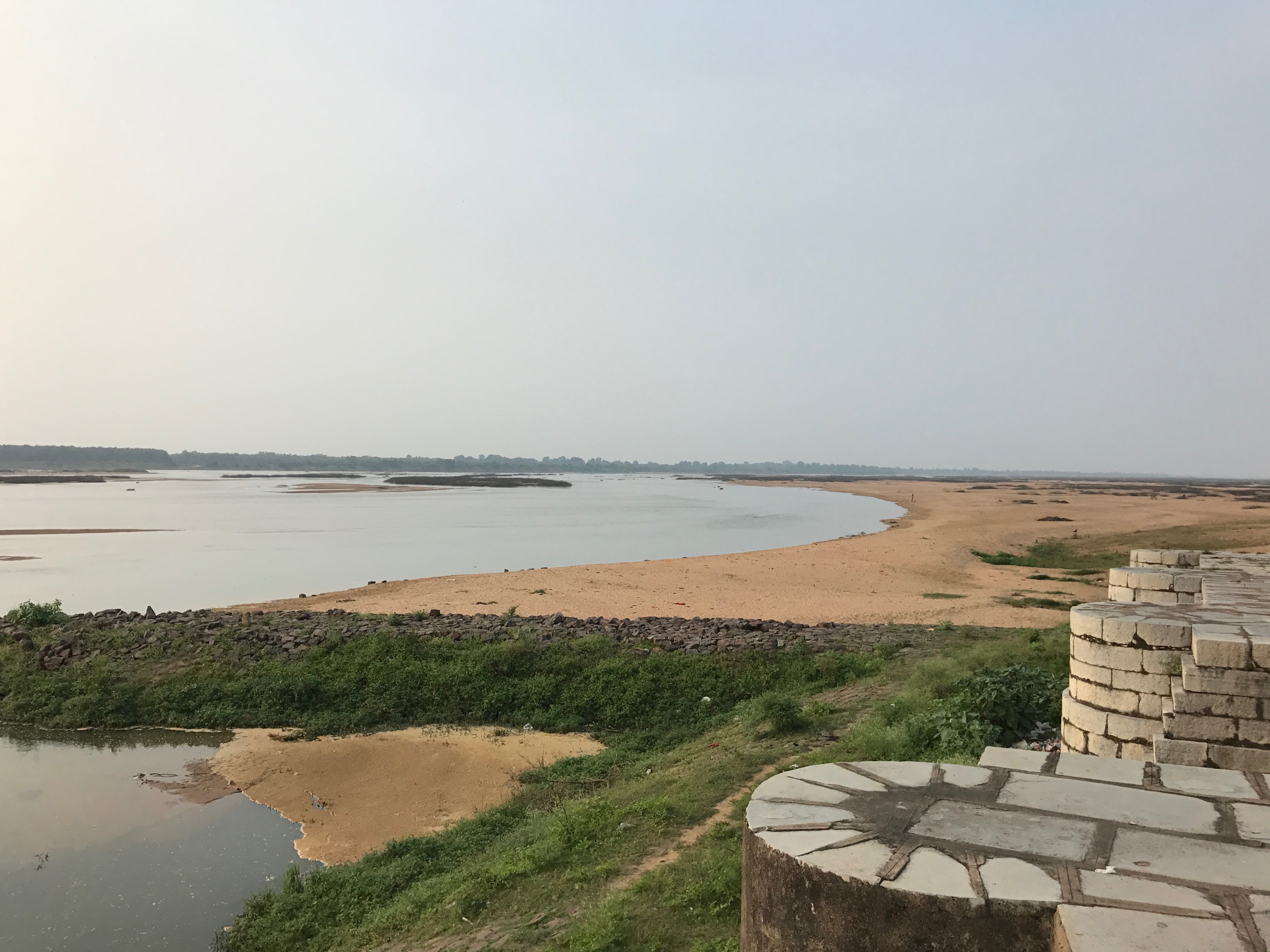 Chhattisgarh river flood
In the heart of India, Chhattisgarh's Mahanadi and Indravati rivers swelled beyond their banks. Entire villages found themselves isolated on islands of water, with residents resorting to makeshift rafts to reach safety. The state's disaster management authority has declared red alerts for three districts, urging immediate evacuation.
- Impact snapshot:
- Districts under red alert: 3 (Raipur, Dhamtari, Bilaspur)
- People displaced: ~45,000
- Roads washed out: 120 km of rural highways
- Relief kits distributed: 15,000 (including dry rations, blankets, and medicines)
Bihar’s Flood Alerts
Bihar, already reeling from earlier monsoon excess, received statewide flood alerts as water levels in the Koshi and Ganga basins rose sharply. While no major casualties have been reported yet, the pre‑emptive evacuation of over 20,000 residents underscores the heightened vigilance.
- Preparedness measures:
- Early warning SMS sent to 1.2 million mobile users
- Deployment of 150 NDRF teams along vulnerable riverbanks
- Temporary shelters set up in Patna, Muzaffarpur, and Bhagalpur
Why the Crisis Is Spreading
Several factors have converged to amplify Arnarn's devastation:
- Climate anomaly – Recent data from the Indian Meteorological Department indicates a 30 % increase in extreme rainfall events over the past decade.
- Urban sprawl – Rapid, unplanned expansion in cities like Kanpur and Raipur has reduced natural drainage, turning streets into channels.
- Deforestation – Loss of forest cover in the Eastern Ghats and Chhattisgarh's hills has weakened the land’s ability to absorb water.
- Infrastructure gaps – Many rural bridges and embankments are decades old, failing under the pressure of sudden deluges.
Future Outlook & Relief Efforts
The central government has announced ₹2,500 crore in emergency funds, while the National Disaster Response Force (NDRF) has been mobilised across the affected states. Long‑term solutions being discussed include:
- Integrated river‑basin management to coordinate flood control across state lines.
- Re‑forestation drives in vulnerable catchment areas.
- Smart city drainage upgrades leveraging GIS‑based flood modelling.
For citizens, the immediate advice is clear: stay tuned to official alerts, avoid low‑lying routes, and cooperate with rescue teams. As Arnab continues its trek eastward, the next few days will be crucial in determining whether the nation can contain this multi‑state calamity or if it will spiral into a larger humanitarian emergency.
Stay informed, stay safe.
Original Reporting & Source: India Today Top Stories

Discussion (0)
Sign in to join the discussion.
No comments yet. Be the first to start the conversation!