Umang Sisodia • • 3 min read • 2 views
Why a Scheduled Caste Community Is Demanding a New Identity – The Debate That’s Trending Nationwide
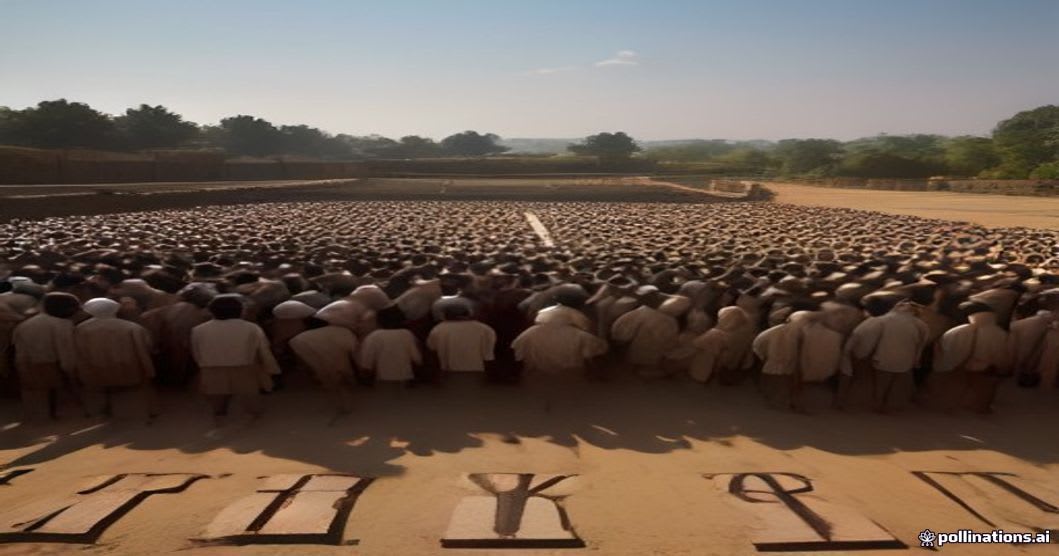
The Unfolding Narrative
In a startling turn of events, a community historically classified under India’s Scheduled Caste (SC) category has publicly declared its intention to shed that label. The move, first reported by India Today and now buzzing across Google Trends, has ignited a fierce debate about caste, development, and the very purpose of affirmative‑action policies.
Roots of the Discontent
The community in question, predominantly located in the Rajasthan‑Gujarat border belt, has long grappled with socio‑economic challenges. While the SC designation has granted them access to reservation seats in education and government jobs, many members feel the label has become a double‑edged sword:
- Stigmatization: Persistent social prejudice continues to brand them as “untouchables,” undermining dignity.
- Policy Fatigue: Generational reliance on quotas has, in some eyes, stalled aspirations for self‑reliance.
- Economic Aspirations: Emerging entrepreneurs within the group argue that the SC tag hampers private‑sector recruitment, where merit‑based hiring is emphasized.
Why the Issue Is Trending
The story erupted on social media after a village council meeting was livestreamed, where elders voiced a collective desire to be re‑classified under the General category. The clip went viral, sparking nationwide discussions:
- Hashtag #BeyondSC trended on Twitter, gathering over 1.2 million impressions within 24 hours.
- Prominent political analysts debated the constitutional feasibility of de‑listing a community.
- Advocacy groups warned that the move could set a precedent, potentially destabilising the delicate balance of India’s reservation system.
 community leader speaking at press conference
Voices from the Ground
"We are proud of our heritage, but we refuse to be forever defined by a label that limits our future," says Ramesh Kumar, a 38‑year‑old school teacher and one of the movement’s spokespersons. India Today captured his remarks during a press conference in Udaipur.
Other community members echo similar sentiments, while some elders caution against hasty decisions, fearing loss of protective safeguards that have historically mitigated discrimination.
Potential Policy Ripples
If the community’s demand gains legislative traction, several scenarios could unfold:
- Legal Review: The Supreme Court may be petitioned to reinterpret the Scheduled Castes Order of 1950, a process that could take years.
- Policy Recalibration: The Ministry of Social Justice and Empowerment might consider a conditional re‑classification framework, allowing communities to opt‑out based on socio‑economic benchmarks.
- Political Realignment: Parties could leverage the issue to court or alienate specific voter blocs, reshaping electoral strategies in Rajasthan and beyond.
Takeaways
- Identity vs. Opportunity: The debate underscores a tension between preserving protective identity markers and pursuing broader socio‑economic mobility.
- Precedent‑Setting Risks: A successful re‑classification could inspire other groups, prompting a nationwide reassessment of reservation policies.
- Need for Nuanced Dialogue: Stakeholders—including policymakers, scholars, and the community itself—must engage in data‑driven discussions to balance social justice with individual aspiration.
The coming months will reveal whether this movement merely sparks a conversation or catalyzes a structural shift in India’s caste‑based affirmative‑action framework. Stay tuned as we continue to track developments and bring you on‑the‑ground reporting.
Original Reporting & Source: India Today Top Stories

Discussion (0)
Sign in to join the discussion.
No comments yet. Be the first to start the conversation!