Umang Sisodia • • 3 min read • 3 views
Jessica Meir’s Patagonia Snapshot: NASA’s ‘Earth Art’ Goes Viral
The Moment Captured
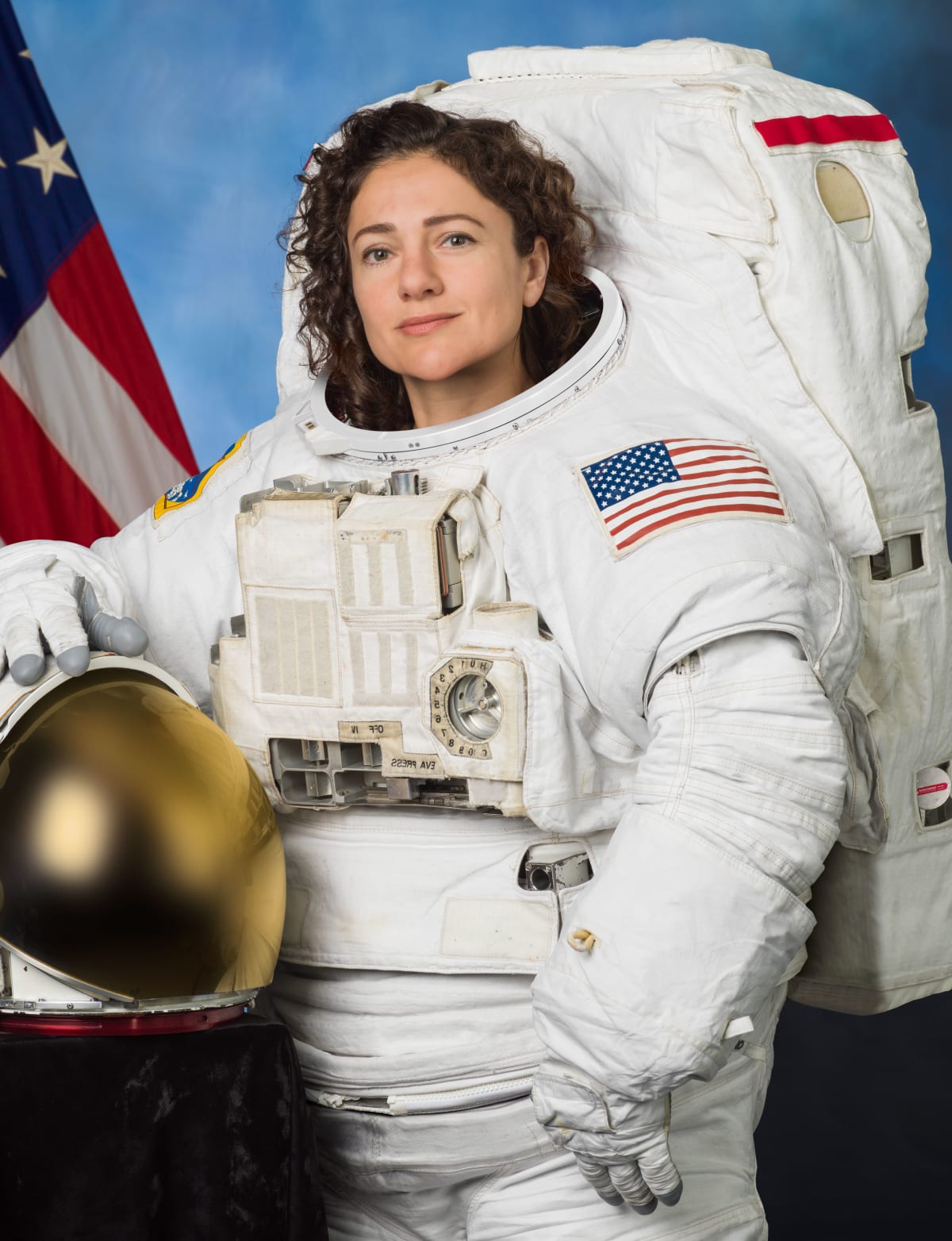
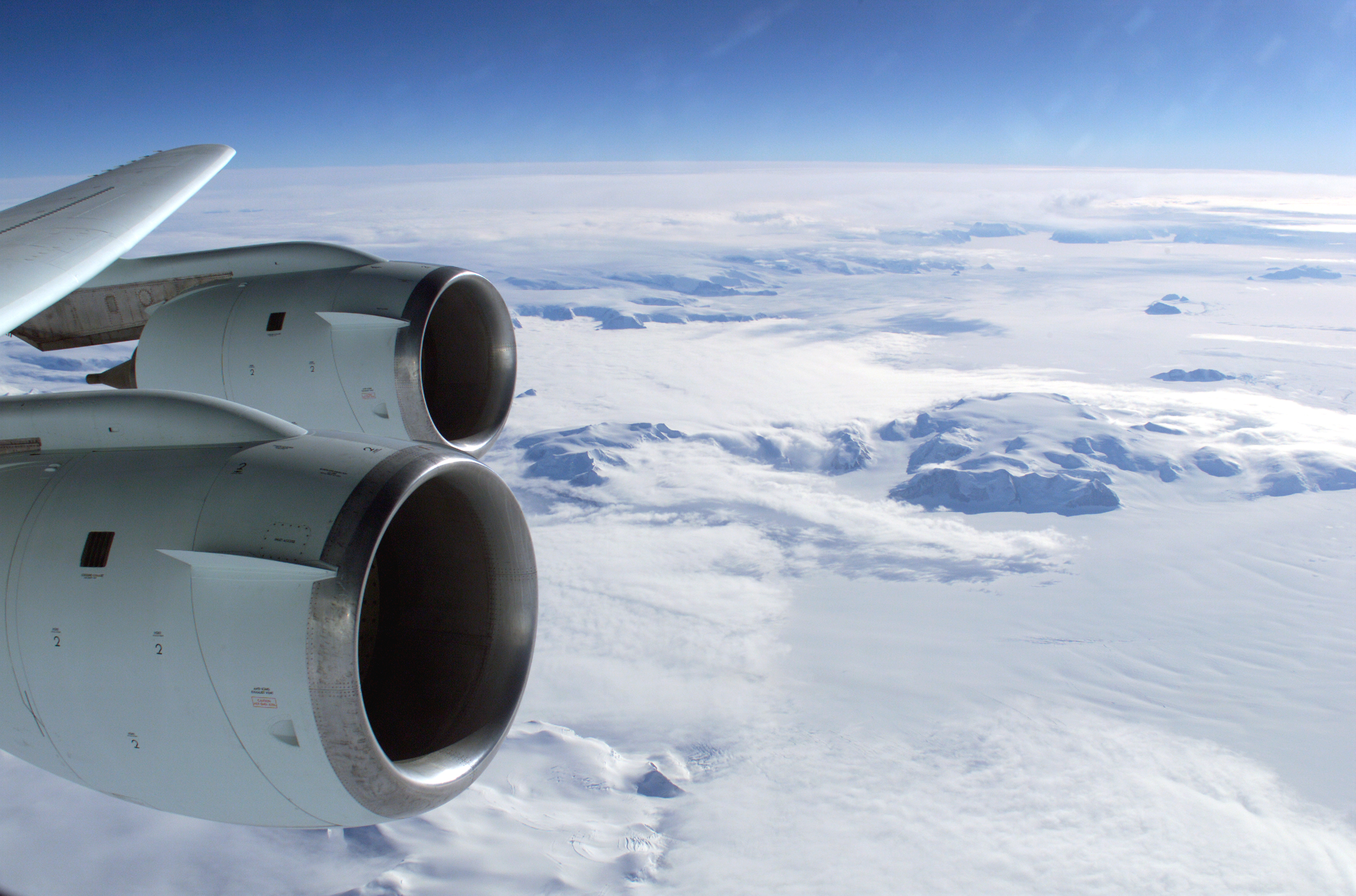
On June 26, 2024, NASA astronaut Jessica Meir shared a breathtaking photograph taken from the International Space Station (ISS) that instantly lit up social media and Google Trends. The image showcases the sprawling icefields of Patagonia, South America, rendered in crystalline blues and whites that look more like a painter’s canvas than a satellite snapshot. Meir captioned the post, “Earth art – Patagonia’s icefields from space.” The post garnered millions of impressions within hours, sparking discussions across scientific, artistic, and environmental circles.
How the Image Was Taken
- Platform: ISS’s high‑resolution external cameras mounted on the Destiny module.
- Timing: A precise orbital pass over 45°S latitude, providing a nadir view of the Southern Andes.
- Processing: Minimal post‑processing; NASA’s imaging team applied a standard contrast stretch to enhance visual clarity while preserving scientific integrity.
"Seeing the icefields from orbit reminded me how fragile and beautiful our planet truly is," Meir wrote in a brief interview with NDTV.
Why It Went Viral
The photograph struck a chord for several reasons:
- Visual Drama: The stark contrast between the deep blue ocean and the glittering ice creates an almost surreal aesthetic.
- Environmental Relevance: Patagonia’s glaciers are key indicators of climate change, and the image arrived at a time when global climate talks are intensifying.
- Human Connection: An astronaut’s personal reflection adds a narrative layer that resonates with the public.
 Patagonia glacier aerial view
The Art of Earth
Jessica Meir’s description of the shot as “Earth art” blurs the line between scientific observation and artistic expression. This framing invites a broader audience to engage with planetary science through an emotional lens. It also underscores a growing trend: space‑borne photography as a tool for advocacy.
Key Takeaways
- Science Meets Aesthetics: High‑resolution space imagery can be both data‑rich and visually compelling.
- Public Engagement: Personal anecdotes from astronauts amplify the impact of scientific findings.
- Policy Leverage: Visually striking evidence of glacial melt can influence climate policy discussions.
Future Implications
The ripple effect of Meir’s Patagonia photo may shape several domains:
- Scientific Research – Enhanced public interest could boost funding for glaciology and remote‑sensing missions.
- Education – Teachers can use the image to illustrate concepts of albedo, climate feedback loops, and Earth observation technology.
- Creative Collaboration – Artists and scientists are increasingly co‑creating projects that fuse data visualization with fine art, a movement NASA’s own Earth Observatory has championed.
Looking Ahead
As the ISS continues its orbit, astronauts will likely share more “artistic” captures of vulnerable ecosystems—from the Arctic sea ice to the Amazon canopy. Each image not only documents a moment in Earth’s dynamic story but also serves as a reminder that our planet is both a laboratory and a masterpiece.
"When you see Earth from above, you realize we’re all part of the same painting," Meir reflected, echoing the sentiment of countless space‑viewers before her.
Stay tuned for upcoming releases from the ISS crew and join the conversation on how space photography can inspire climate action.
Original Reporting & Source: NDTV

Discussion (0)
Sign in to join the discussion.
No comments yet. Be the first to start the conversation!