Umang Sisodia • • 3 min read • 3 views

Iran Calls for Negotiated Solution After Trump Dismisses Hormuz Peace Initiative
Iran Calls for Negotiated Solution After Trump Dismisses Hormuz Peace Initiative

The Diplomatic Standoff

In a dramatic turn of events, the United States under former President Donald Trump has rejected a multilateral peace proposal aimed at defusing tensions in the strategic Strait of Hormuz. The plan, brokered by several Gulf states and backed by European diplomats, sought to establish a joint monitoring mechanism for naval traffic and to curb any unilateral military escalations. Within hours of the U.S. dismissal, Iran issued a firm response, emphasizing that only a negotiated solution can prevent a catastrophic disruption of global oil flows.


Trump’s Rejection

  • Date of announcement: 23 May 2024
  • Key reason cited: The proposal allegedly compromised U.S. strategic interests and gave too much leeway to Iranian naval forces.
  • Official statement: “We will not be bound by a plan that weakens our ability to protect American lives and interests,” the White House read from a prepared statement.

Iran’s Response

  • Spokesperson: Iranian Foreign Ministry Spokesperson Saeed Moghadam.
  • Core message: “The rejection of a peace plan does not diminish Iran’s willingness to engage, but it underscores the necessity of a balanced, negotiated framework that respects the sovereignty of all regional actors.”
  • Action taken: Tehran called for an emergency summit of the Gulf Cooperation Council (GCC), Russia, China, and the European Union to revisit the terms.
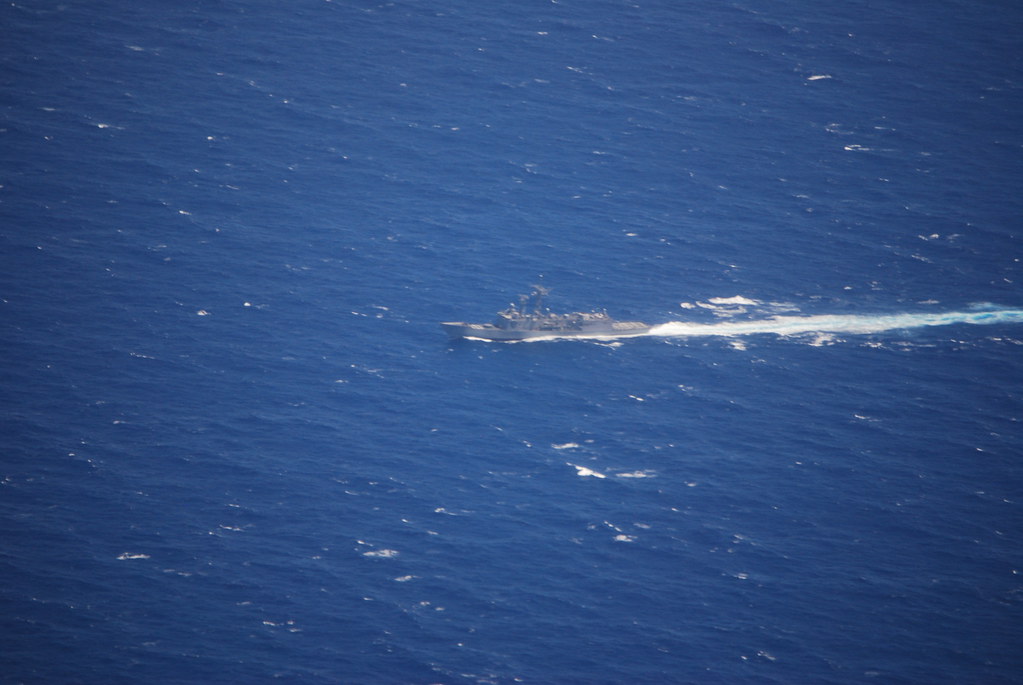
oil tanker in Hormuz oil tanker in Hormuz

Why the World Is Watching

The Strait of Hormuz is a vital chokepoint—about 21 million barrels of oil pass through it daily, representing roughly 30 % of global petroleum consumption. Any disruption can trigger a sharp spike in oil prices, affecting economies from the United States to India.

"The Hormuz corridor is the planet's most critical oil artery. A misstep here reverberates across markets, geopolitics, and even food security," noted Energy Analyst Priya Desai at a recent briefing.

Economic Stakes

  • Oil price volatility: A 5 % dip in supply could push Brent crude beyond $110 per barrel.
  • Shipping insurance premiums: Surge in war risk coverage for vessels transiting the strait.
  • Regional trade: Nations like UAE, Saudi Arabia, and Kuwait risk supply chain bottlenecks.

Geopolitical Ripple

  • U.S.-Iran relations: The rejection deepens an already fraught diplomatic landscape, potentially prompting Tehran to increase its naval presence.
  • China’s role: Beijing has signaled willingness to mediate, positioning itself as a neutral arbiter while protecting its energy imports.
  • Russian involvement: Moscow may leverage the crisis to expand its influence in the Persian Gulf, offering security guarantees to Gulf states.

Looking Ahead: Negotiated Solutions

The path forward hinges on multilateral engagement and mutual concessions. Analysts suggest a few pragmatic steps:

  • Re‑open diplomatic channels: Direct talks between the U.S. and Iran, possibly facilitated by a Swiss or UN intermediary.
  • Joint maritime patrols: A mixed fleet of U.S., Iranian, and allied vessels to monitor traffic and deter illegal actions.
  • Economic incentives: Limited sanctions relief for Iran in exchange for verifiable compliance with navigation safety protocols.

If these measures gain traction, the region could avoid a spiral into open conflict and preserve the stability of global energy markets. For now, the world watches as Tehran rallies support for a balanced, negotiated framework, hoping that diplomacy can outpace the rhetoric of rejection.


Key Takeaway: Trump’s dismissal of the Hormuz peace plan has reignited diplomatic friction, but Iran’s call for a negotiated solution underscores a shared recognition that only multilateral dialogue can safeguard the lifeline of global oil supplies.


Original Reporting & Source: India Today Top Stories

Discussion (0)

Sign in to join the discussion.

No comments yet. Be the first to start the conversation!

| |

Iran Calls for Negotiated Solution After Trump Dismisses Hormuz Peace Initiative

By Umang Sisodia • 3 min read • 3 views

The Diplomatic Standoff

In a dramatic turn of events, the United States under former President Donald Trump has rejected a multilateral peace proposal aimed at defusing tensions in the strategic Strait of Hormuz. The plan, brokered by several Gulf states and backed by European diplomats, sought to establish a joint monitoring mechanism for naval traffic and to curb any unilateral military escalations. Within hours of the U.S. dismissal, Iran issued a firm response, emphasizing that only a negotiated solution can prevent a catastrophic disruption of global oil flows.


Trump’s Rejection

  • Date of announcement: 23 May 2024
  • Key reason cited: The proposal allegedly compromised U.S. strategic interests and gave too much leeway to Iranian naval forces.
  • Official statement: “We will not be bound by a plan that weakens our ability to protect American lives and interests,” the White House read from a prepared statement.

Iran’s Response

  • Spokesperson: Iranian Foreign Ministry Spokesperson Saeed Moghadam.
  • Core message: “The rejection of a peace plan does not diminish Iran’s willingness to engage, but it underscores the necessity of a balanced, negotiated framework that respects the sovereignty of all regional actors.”
  • Action taken: Tehran called for an emergency summit of the Gulf Cooperation Council (GCC), Russia, China, and the European Union to revisit the terms.

oil tanker in Hormuz oil tanker in Hormuz

Why the World Is Watching

The Strait of Hormuz is a vital chokepoint—about 21 million barrels of oil pass through it daily, representing roughly 30 % of global petroleum consumption. Any disruption can trigger a sharp spike in oil prices, affecting economies from the United States to India.

"The Hormuz corridor is the planet's most critical oil artery. A misstep here reverberates across markets, geopolitics, and even food security," noted Energy Analyst Priya Desai at a recent briefing.

Economic Stakes

  • Oil price volatility: A 5 % dip in supply could push Brent crude beyond $110 per barrel.
  • Shipping insurance premiums: Surge in war risk coverage for vessels transiting the strait.
  • Regional trade: Nations like UAE, Saudi Arabia, and Kuwait risk supply chain bottlenecks.

Geopolitical Ripple

  • U.S.-Iran relations: The rejection deepens an already fraught diplomatic landscape, potentially prompting Tehran to increase its naval presence.
  • China’s role: Beijing has signaled willingness to mediate, positioning itself as a neutral arbiter while protecting its energy imports.
  • Russian involvement: Moscow may leverage the crisis to expand its influence in the Persian Gulf, offering security guarantees to Gulf states.

Looking Ahead: Negotiated Solutions

The path forward hinges on multilateral engagement and mutual concessions. Analysts suggest a few pragmatic steps:

  • Re‑open diplomatic channels: Direct talks between the U.S. and Iran, possibly facilitated by a Swiss or UN intermediary.
  • Joint maritime patrols: A mixed fleet of U.S., Iranian, and allied vessels to monitor traffic and deter illegal actions.
  • Economic incentives: Limited sanctions relief for Iran in exchange for verifiable compliance with navigation safety protocols.

If these measures gain traction, the region could avoid a spiral into open conflict and preserve the stability of global energy markets. For now, the world watches as Tehran rallies support for a balanced, negotiated framework, hoping that diplomacy can outpace the rhetoric of rejection.


Key Takeaway: Trump’s dismissal of the Hormuz peace plan has reignited diplomatic friction, but Iran’s call for a negotiated solution underscores a shared recognition that only multilateral dialogue can safeguard the lifeline of global oil supplies.


Original Reporting & Source: India Today Top Stories