Umang Sisodia • • 4 min read • 3 views

Heavy Rain Ravages Hardi, Uttar Pradesh: 8 Dead, 330 Homes Damaged
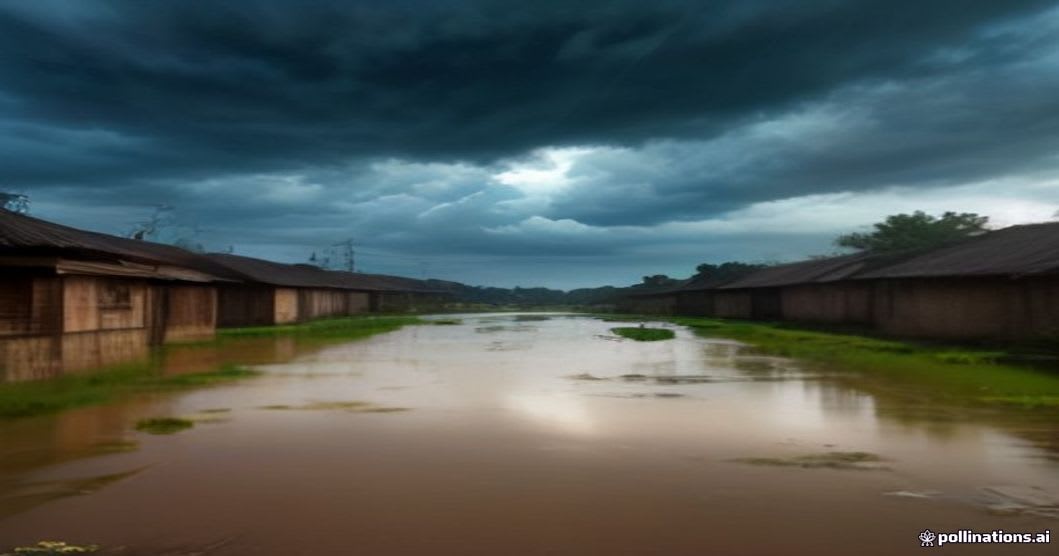
Heavy Rain Ravages Hardi, Uttar Pradesh: 8 Dead, 330 Homes Damaged

The Storm Unleashed

In the early hours of Monday, a severe convective system slammed the Hardi district of Uttar Pradesh, unleashing relentless downpours that turned roads into rivers and fields into swamps. According to India Today, eight lives were lost and more than 330 houses suffered structural damage. The deluge triggered flash floods across several villages, cutting off electricity, communication lines, and access to basic services.

Immediate Impact

  • Fatalities: 8 confirmed deaths, many of them women and children caught in rapidly rising water.
  • Property Damage: Over 330 homes partially or fully destroyed; many families displaced.
  • Infrastructure: Bridges collapsed, roads submerged, and power outages reported in five blocks.
  • Rescue Operations: Over 150 rescue personnel, including police, National Disaster Response Force (NDRF) and local volunteers, deployed within hours.

"The situation is critical, but our teams are on the ground providing relief and evacuating families to safe shelters," said the Hardi district collector in a press briefing.

Human Toll and Immediate Response

The hardest‑hit villages, such as Madhopur and Sarai Kalan, saw water levels rise to three to four feet within minutes, sweeping away rooftops and trapping residents. Local schools were converted into temporary relief shelters, offering blankets, dry food, and medical aid. Volunteers from nearby towns rushed in with sandbags, while the state government announced an emergency fund of ₹10 crore for relief and reconstruction.

Relief Measures

  • Emergency Camps: 12 camps set up, each with capacity for 200 families.
  • Medical Aid: Mobile health units dispatched; over 150 people treated for injuries and water‑borne diseases.
  • Financial Assistance: Immediate cash assistance of ₹5,000 per affected household.
  • Rehabilitation Plan: A detailed survey to assess structural damage and plan for resilient rebuilding.
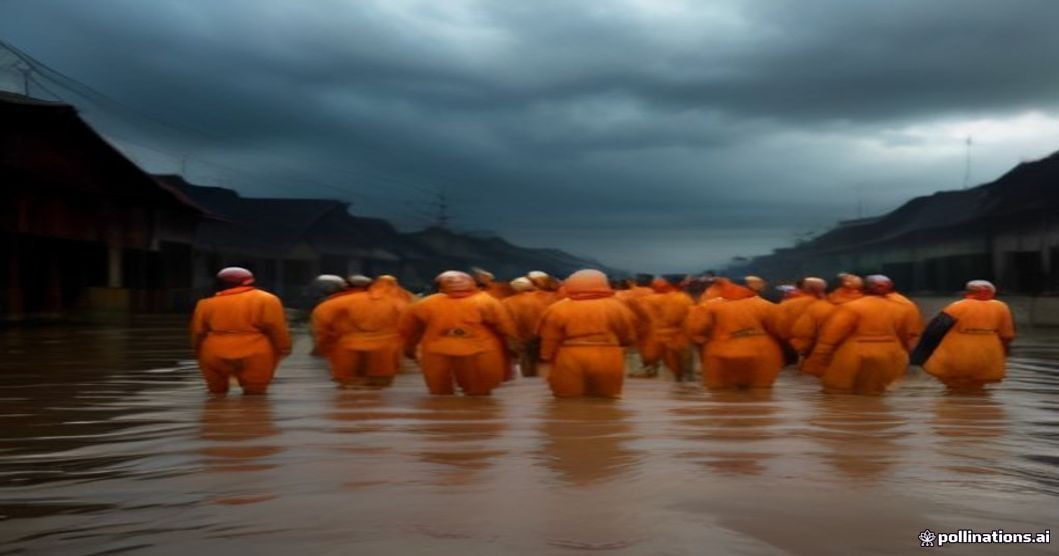
rescue teams evacuating Hardi rescue teams evacuating Hardi

Why the Deluge? Meteorological Context

The extreme rainfall is linked to a low‑pressure system that formed over the Bay of Bengal, pulling moist air inland. Meteorologists at the India Meteorological Department (IMD) noted that the region received over 150 mm of rain in a span of six hours—well above the seasonal average. Climate analysts point to climate change as a factor amplifying the intensity of such convective events, with warmer air holding more moisture, leading to heavier downpours.

Contributing Factors

  • Deforestation: Reduced canopy cover in the region hampers natural water absorption.
  • Urban Encroachment: Expansion of settlements into flood‑prone low‑lying areas.
  • Inadequate Drainage: Outdated canal and drainage infrastructure unable to cope with sudden water surges.

Lessons and Policy Implications

The Hardi tragedy underscores the urgent need for a multifaceted approach to disaster resilience:

  1. Strengthening Early Warning Systems – Real‑time alerts via mobile networks and community radios.
  2. Upgrading Drainage Networks – Investing in modern, climate‑adaptive water management.
  3. Promoting Sustainable Land Use – Enforcing zoning laws that prevent construction in high‑risk zones.
  4. Community Preparedness – Regular drills, evacuation plans, and local volunteer training.

"Disasters are not inevitable; our preparedness determines the loss of life," remarked a senior climate policy expert.

Looking Ahead

As monsoon season progresses, authorities warn that further heavy showers could exacerbate the situation. The state government has pledged to accelerate reconstruction, incorporating flood‑resilient designs such as raised plinths and reinforced walls. Meanwhile, NGOs are mobilising resources for long‑term livelihood support, including skill‑training programs for displaced families.

The Hardi floods serve as a stark reminder that climate‑driven extremes are becoming the new normal. Robust infrastructure, proactive governance, and community resilience will be the pillars that determine how India navigates the challenges of a warming world.


Original Reporting & Source: India Today Top Stories

Discussion (0)

Sign in to join the discussion.

No comments yet. Be the first to start the conversation!

| |

Heavy Rain Ravages Hardi, Uttar Pradesh: 8 Dead, 330 Homes Damaged

By Umang Sisodia • 4 min read • 3 views

The Storm Unleashed

In the early hours of Monday, a severe convective system slammed the Hardi district of Uttar Pradesh, unleashing relentless downpours that turned roads into rivers and fields into swamps. According to India Today, eight lives were lost and more than 330 houses suffered structural damage. The deluge triggered flash floods across several villages, cutting off electricity, communication lines, and access to basic services.

Immediate Impact

  • Fatalities: 8 confirmed deaths, many of them women and children caught in rapidly rising water.
  • Property Damage: Over 330 homes partially or fully destroyed; many families displaced.
  • Infrastructure: Bridges collapsed, roads submerged, and power outages reported in five blocks.
  • Rescue Operations: Over 150 rescue personnel, including police, National Disaster Response Force (NDRF) and local volunteers, deployed within hours.

"The situation is critical, but our teams are on the ground providing relief and evacuating families to safe shelters," said the Hardi district collector in a press briefing.

Human Toll and Immediate Response

The hardest‑hit villages, such as Madhopur and Sarai Kalan, saw water levels rise to three to four feet within minutes, sweeping away rooftops and trapping residents. Local schools were converted into temporary relief shelters, offering blankets, dry food, and medical aid. Volunteers from nearby towns rushed in with sandbags, while the state government announced an emergency fund of ₹10 crore for relief and reconstruction.

Relief Measures

  • Emergency Camps: 12 camps set up, each with capacity for 200 families.
  • Medical Aid: Mobile health units dispatched; over 150 people treated for injuries and water‑borne diseases.
  • Financial Assistance: Immediate cash assistance of ₹5,000 per affected household.
  • Rehabilitation Plan: A detailed survey to assess structural damage and plan for resilient rebuilding.

rescue teams evacuating Hardi rescue teams evacuating Hardi

Why the Deluge? Meteorological Context

The extreme rainfall is linked to a low‑pressure system that formed over the Bay of Bengal, pulling moist air inland. Meteorologists at the India Meteorological Department (IMD) noted that the region received over 150 mm of rain in a span of six hours—well above the seasonal average. Climate analysts point to climate change as a factor amplifying the intensity of such convective events, with warmer air holding more moisture, leading to heavier downpours.

Contributing Factors

  • Deforestation: Reduced canopy cover in the region hampers natural water absorption.
  • Urban Encroachment: Expansion of settlements into flood‑prone low‑lying areas.
  • Inadequate Drainage: Outdated canal and drainage infrastructure unable to cope with sudden water surges.

Lessons and Policy Implications

The Hardi tragedy underscores the urgent need for a multifaceted approach to disaster resilience:

  1. Strengthening Early Warning Systems – Real‑time alerts via mobile networks and community radios.
  2. Upgrading Drainage Networks – Investing in modern, climate‑adaptive water management.
  3. Promoting Sustainable Land Use – Enforcing zoning laws that prevent construction in high‑risk zones.
  4. Community Preparedness – Regular drills, evacuation plans, and local volunteer training.

"Disasters are not inevitable; our preparedness determines the loss of life," remarked a senior climate policy expert.

Looking Ahead

As monsoon season progresses, authorities warn that further heavy showers could exacerbate the situation. The state government has pledged to accelerate reconstruction, incorporating flood‑resilient designs such as raised plinths and reinforced walls. Meanwhile, NGOs are mobilising resources for long‑term livelihood support, including skill‑training programs for displaced families.

The Hardi floods serve as a stark reminder that climate‑driven extremes are becoming the new normal. Robust infrastructure, proactive governance, and community resilience will be the pillars that determine how India navigates the challenges of a warming world.


Original Reporting & Source: India Today Top Stories