Umang Sisodia • • 3 min read • 3 views
Salman Khan Calls for Jail Time for AI Deepfake Makers on Bigg Boss 20
The Incident That Shook Bigg Boss 20
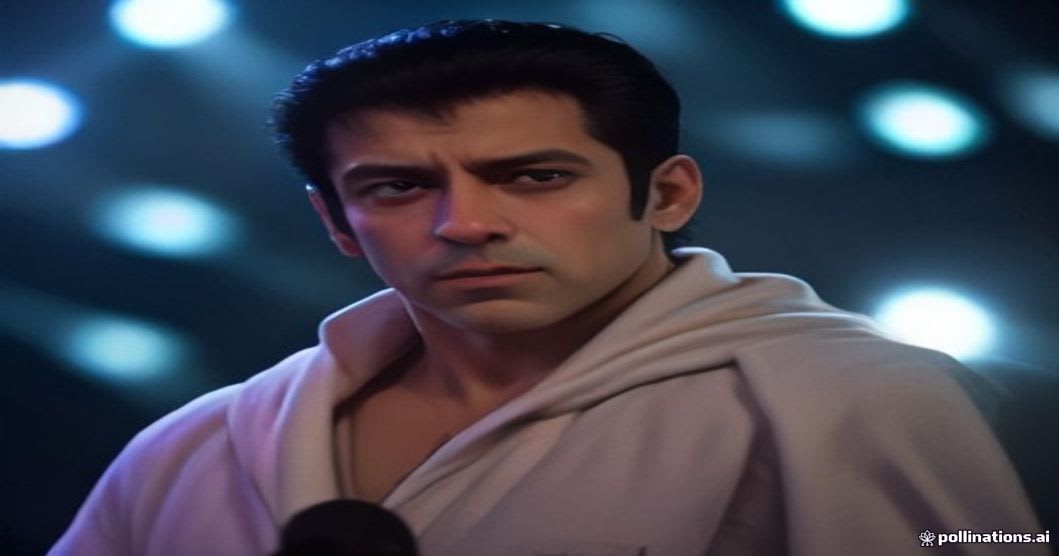
In the latest episode of Bigg Boss 20, host Salman Khan took an unprecedented step. After a wave of AI‑generated videos surfaced online, depicting the contestants in fabricated scenarios, Khan publicly demanded prison sentences for the creators. The demand was aired live, with Khan stating that “anyone who manipulates reality with AI to defame or mislead should be punished by law.”
Salman’s Stand Against Deepfakes
Salman’s remarks were not a casual outburst. He highlighted three key concerns:
- Misinformation: Fake videos can distort public perception of the show and its participants.
- Safety: Deepfakes can be weaponised to harass or blackmail individuals.
- Legal Void: India currently lacks specific statutes addressing AI‑generated defamation.
“If technology is used to tarnish someone’s image, the law must step in,” Khan said during the heated segment.
Why the Story Went Viral
The episode instantly trended on Google Trends, Twitter, and Instagram. Several factors amplified its reach:
- Celebrity Influence: Salman Khan’s massive fan base amplified every word he uttered.
- AI Anxiety: Recent global debates on deepfake misuse have primed audiences to react strongly.
- Legal Curiosity: Viewers are eager to know whether existing Indian law can actually impose jail time for digital fakery.
 AI deepfake creation studio
The Rise of AI‑Generated Content
Artificial intelligence tools like Synthesia, DeepFaceLab, and open‑source models have democratized video manipulation. In the past six months, India reported a 250 % surge in deepfake videos circulating on social media, according to a report by the Internet and Mobile Association of India (IAMAI). The Bigg Boss controversy is the latest flashpoint, echoing similar incidents in politics, entertainment, and sports.
Legal and Ethical Implications
India’s Information Technology Act (2000) addresses “computer‑related offences” but does not explicitly cover AI‑generated media. Legal scholars suggest two possible routes:
- Section 66A analogues: Crafting a new clause that criminalises the creation and distribution of harmful deepfakes.
- Criminal Defamation Act: Applying existing defamation laws to digital mediums, potentially leading to imprisonment of up to two years.
Potential Policy Shifts
Following the episode, the Ministry of Electronics and Information Technology (MeitY) announced a “consultative workshop” with tech firms, media houses, and civil‑society groups to draft a Deepfake Regulation Bill. If passed, India could become one of the first Asian nations to impose mandatory labeling of AI‑generated content and penalise malicious creators.
What’s Next for Bigg Boss and AI Ethics
The show’s producers have pledged tighter security, including watermark verification for all contestant footage. Meanwhile, digital‑rights NGOs warn against over‑criminalisation that could stifle artistic expression.
Key Takeaways
- Salman Khan’s demand reflects growing public intolerance for AI‑driven misinformation.
- The incident spotlights a legislative gap in India’s cyber‑law framework.
- Upcoming policy discussions could set a precedent for how entertainment platforms handle deepfakes.
As the Bigg Boss house continues under watchful eyes, the broader battle between technology and truth is only beginning.
Original Reporting & Source: India Today Top Stories

Discussion (0)
Sign in to join the discussion.
No comments yet. Be the first to start the conversation!