Umang Sisodia • • 3 min read • 4 views

Trump Says US Arms Sales to Taiwan Are Routine – What It Means for US‑China Ties
Trump Says US Arms Sales to Taiwan Are Routine – What It Means for US‑China Ties

Trump’s Assertion at the Taiwan Arms Talk

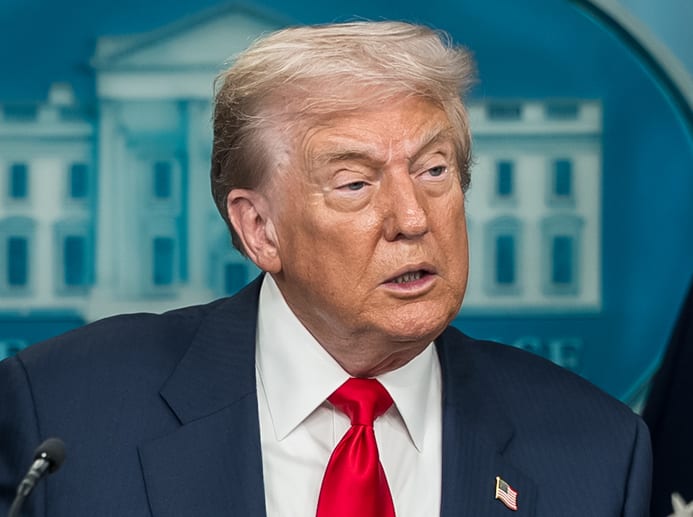
In a recent interview that quickly lit up Google Trends, former U.S. President Donald Trump told Chinese President Xi Jinping that American weapons sales to Taiwan are "routine" and merely a continuation of longstanding policy. The comment was relayed by a senior U.S. envoy during a press briefing in Washington, sparking a fresh wave of diplomatic speculation.

  • Unexpected Tone: Trump’s blunt phrasing diverged from the measured language typically used by U.S. officials, making headlines across global media.
  • Timing: The remark came just days after a high‑profile arms package—including F‑16 fighter jets and advanced missile systems—was approved for Taiwan, heightening regional tensions.
  • Geopolitical Stakes: With China’s growing military presence in the Taiwan Strait, any comment on arms sales is automatically amplified on social platforms and news aggregators.

"Our support for Taiwan’s defense is a long‑standing, routine part of our commitment to a free and open Indo‑Pacific," Trump said, adding that the sales do not threaten China’s security.

Background: US‑Taiwan Arms Relations

Since the Taiwan Relations Act of 1979, the United States has maintained a policy of providing defensive weapons to Taiwan. Over the past decade, the scale and sophistication of these sales have increased, ranging from F‑16 jets to Patriot missile batteries. The latest package, approved in early September, marks one of the largest arms deals since the 1990s.

The Diplomatic Ripple Effect

  1. Beijing’s Reaction – Chinese officials labeled the comment “irresponsible” and warned of “necessary measures” to protect sovereignty.
  2. Washington’s Balancing Act – While the State Department reiterated the “routine” nature of the sales, it also emphasized a desire to avoid escalation.
  3. Taiwan’s Assurance – Taipei’s leadership welcomed the statement, interpreting it as a reaffirmation of U.S. resolve.
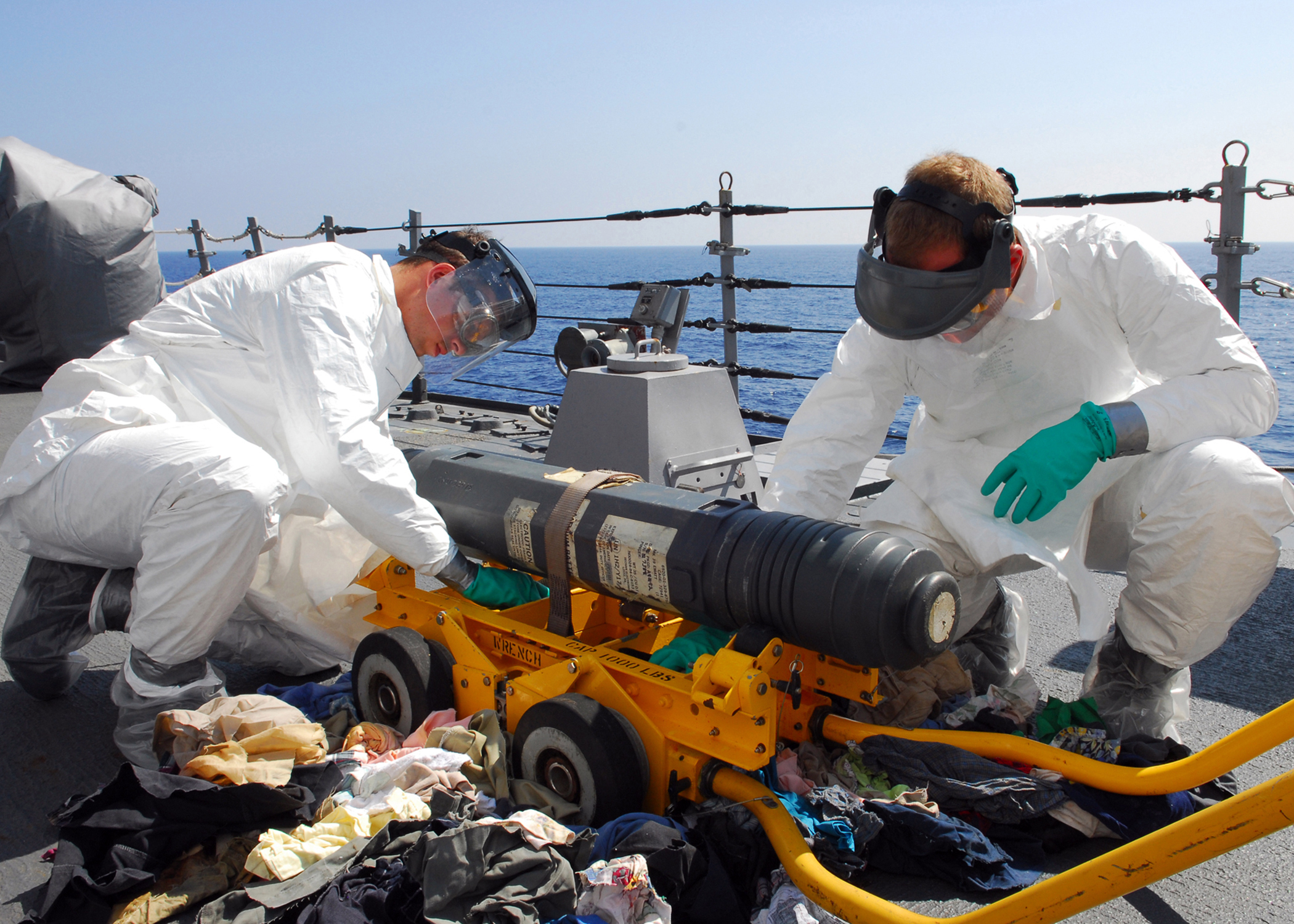
US Navy destroyer Taiwan Strait US Navy destroyer Taiwan Strait

Strategic Implications for the Indo‑Pacific

  • Deterrence vs. Provocation: Regular arms deliveries aim to deter aggression, yet they can also be perceived as provocation, especially when Beijing intensifies its naval drills near Taiwan.
  • Alliance Dynamics: The United States’ allies, notably Japan and Australia, are closely monitoring the narrative, as it influences broader security cooperation frameworks.
  • Economic Underpinnings: Defense contracts fuel American defense industry jobs, adding a domestic political layer to the geopolitical calculus.

Looking Ahead: What Could Change?

  • Potential Policy Shifts: If future administrations adopt a different tone, the “routine” framing could evolve into a more cautious approach, affecting the cadence of future sales.
  • China’s Countermeasures: Expect increased diplomatic protests, cyber‑espionage activities, and possibly more frequent military exercises around the Taiwan Strait.
  • Taiwan’s Defense Posture: Continued U.S. support may enable Taiwan to modernize its forces, but it also raises the stakes for a possible miscalculation.

Key Takeaways

  • Trump’s comment underscores the entrenched nature of U.S. arms sales to Taiwan, despite rising China‑U.S. friction.
  • The phrasing has amplified public and diplomatic attention, feeding the algorithmic boost on Google Discover.
  • Future stability will hinge on how Washington balances deterrence with diplomatic overtures, and how Beijing interprets the “routine” narrative.

The story continues to develop as both capitals navigate a delicate security dance in the Pacific.


Original Reporting & Source: India Today Top Stories

Discussion (0)

Sign in to join the discussion.

No comments yet. Be the first to start the conversation!

| |

Trump Says US Arms Sales to Taiwan Are Routine – What It Means for US‑China Ties

By Umang Sisodia • 3 min read • 4 views

Trump’s Assertion at the Taiwan Arms Talk

In a recent interview that quickly lit up Google Trends, former U.S. President Donald Trump told Chinese President Xi Jinping that American weapons sales to Taiwan are "routine" and merely a continuation of longstanding policy. The comment was relayed by a senior U.S. envoy during a press briefing in Washington, sparking a fresh wave of diplomatic speculation.

  • Unexpected Tone: Trump’s blunt phrasing diverged from the measured language typically used by U.S. officials, making headlines across global media.
  • Timing: The remark came just days after a high‑profile arms package—including F‑16 fighter jets and advanced missile systems—was approved for Taiwan, heightening regional tensions.
  • Geopolitical Stakes: With China’s growing military presence in the Taiwan Strait, any comment on arms sales is automatically amplified on social platforms and news aggregators.

"Our support for Taiwan’s defense is a long‑standing, routine part of our commitment to a free and open Indo‑Pacific," Trump said, adding that the sales do not threaten China’s security.

Background: US‑Taiwan Arms Relations

Since the Taiwan Relations Act of 1979, the United States has maintained a policy of providing defensive weapons to Taiwan. Over the past decade, the scale and sophistication of these sales have increased, ranging from F‑16 jets to Patriot missile batteries. The latest package, approved in early September, marks one of the largest arms deals since the 1990s.

The Diplomatic Ripple Effect

  1. Beijing’s Reaction – Chinese officials labeled the comment “irresponsible” and warned of “necessary measures” to protect sovereignty.
  2. Washington’s Balancing Act – While the State Department reiterated the “routine” nature of the sales, it also emphasized a desire to avoid escalation.
  3. Taiwan’s Assurance – Taipei’s leadership welcomed the statement, interpreting it as a reaffirmation of U.S. resolve.

US Navy destroyer Taiwan Strait US Navy destroyer Taiwan Strait

Strategic Implications for the Indo‑Pacific

  • Deterrence vs. Provocation: Regular arms deliveries aim to deter aggression, yet they can also be perceived as provocation, especially when Beijing intensifies its naval drills near Taiwan.
  • Alliance Dynamics: The United States’ allies, notably Japan and Australia, are closely monitoring the narrative, as it influences broader security cooperation frameworks.
  • Economic Underpinnings: Defense contracts fuel American defense industry jobs, adding a domestic political layer to the geopolitical calculus.

Looking Ahead: What Could Change?

  • Potential Policy Shifts: If future administrations adopt a different tone, the “routine” framing could evolve into a more cautious approach, affecting the cadence of future sales.
  • China’s Countermeasures: Expect increased diplomatic protests, cyber‑espionage activities, and possibly more frequent military exercises around the Taiwan Strait.
  • Taiwan’s Defense Posture: Continued U.S. support may enable Taiwan to modernize its forces, but it also raises the stakes for a possible miscalculation.

Key Takeaways

  • Trump’s comment underscores the entrenched nature of U.S. arms sales to Taiwan, despite rising China‑U.S. friction.
  • The phrasing has amplified public and diplomatic attention, feeding the algorithmic boost on Google Discover.
  • Future stability will hinge on how Washington balances deterrence with diplomatic overtures, and how Beijing interprets the “routine” narrative.

The story continues to develop as both capitals navigate a delicate security dance in the Pacific.


Original Reporting & Source: India Today Top Stories