Umang Sisodia • • 3 min read • 3 views

Indiramma Housing Chaos: Why the Scheme Is Trending Across India
Indiramma Housing Chaos: Why the Scheme Is Trending Across India

The Indiramma Housing Scheme – A Quick Recap

The Indiramma (also spelled Indiramma) housing programme, launched by the Andhra Pradesh and Telangana governments, promised affordable, pucca homes to millions of low‑income families in rural and semi‑urban areas. Initiated in 2006, the scheme pledged a roof, walls, and basic amenities within a short construction timeline, positioning itself as a flagship welfare initiative.

What Triggered the Recent Turmoil?

In the past week, the phrase "ఇందిరమ్మ ఇళ్ల పథకం" (Indiramma house plan) surged past 1,000 daily searches on Google Trends India, spurred by a series of unsettling reports:

  • Alleged irregularities in the allocation of houses in the Puri and Gudi villages, where residents claimed they were denied promised homes despite meeting eligibility criteria.
  • Ministerial statements that appeared to contradict earlier assurances, with the state minister hinting at a “major policy shift” that could delay handovers.
  • Media exposés by Namasthe Telangana and News18 Telugu highlighting stalled construction, missing infrastructure, and a growing backlog of applications.

"We must ensure that every eligible family receives the home they deserve; any deviation is a betrayal of public trust," – Minister K. V. Ponnusamy (quoted in Eenadu).

These developments ignited public anger, prompting families to gather outside government offices, file complaints on social media, and demand immediate remedial action. The resulting viral videos and hashtags (#IndirammaChaos) amplified the issue, pushing it into the national spotlight.

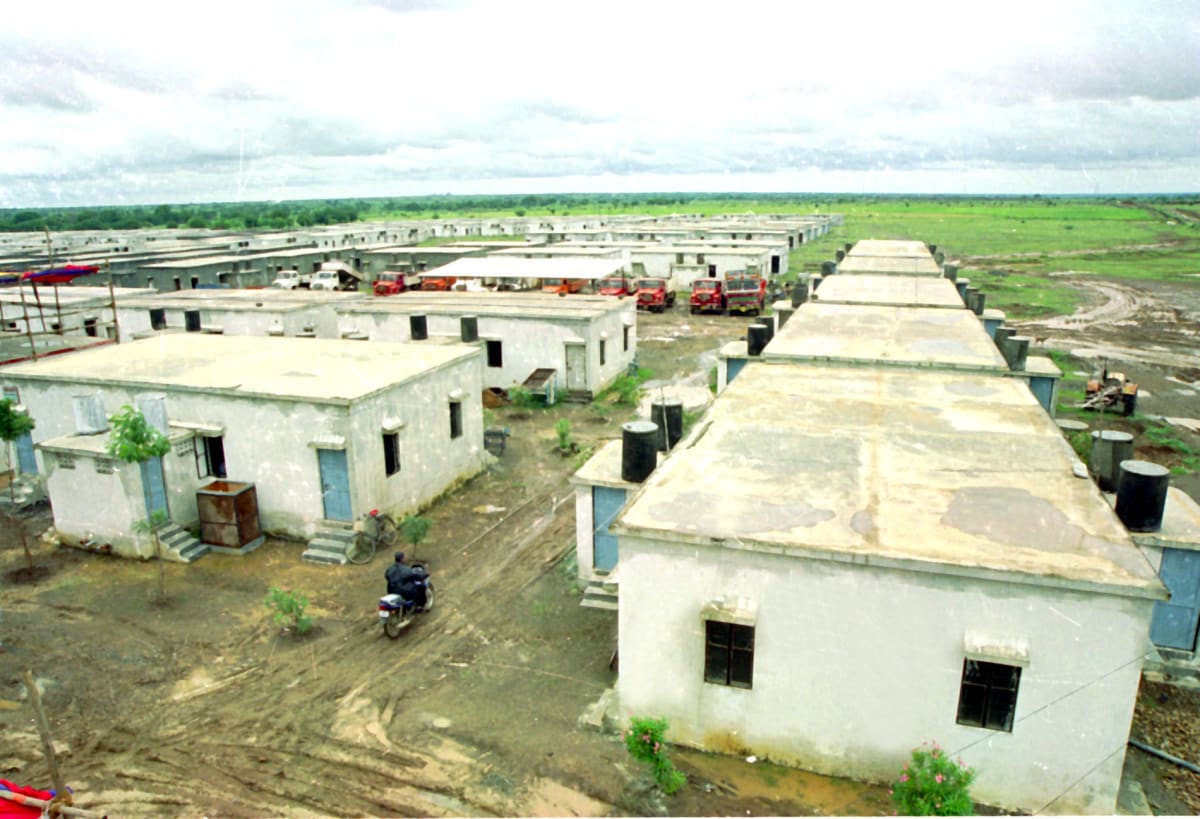
construction site Indiramma houses construction site Indiramma houses

Political Heat and Public Outcry

The controversy has become a political flashpoint for both ruling parties and opposition leaders:

  • Opposition parties are leveraging the unrest to criticize the incumbent government's execution capabilities, promising a transparent audit.
  • Ruling officials argue that the delays stem from land acquisition challenges, funding gaps, and bureaucratic bottlenecks, urging patience while they “re‑engineer” the rollout.
  • Civil‑society groups have filed Right‑to‑Information (RTI) requests, seeking clarity on allocation lists and financial disbursements.

Key Takeaways

  • Demand vs. Supply Gap: Over 2.5 million houses promised, but only 1.1 million completed as of 2024.
  • Funding Strain: The scheme’s budget has been re‑allocated multiple times, causing cash‑flow hiccups.
  • Accountability Calls: Activists demand an independent oversight committee to audit each district’s progress.

Looking Ahead: Policy Reforms and Long‑Term Impact

The turbulence surrounding Indiramma could catalyze structural reforms:

  1. Digital Transparency Portal – Real‑time dashboards showing pending applications, construction status, and fund utilization.
  2. Public‑Private Partnerships (PPP) – Engaging private builders to accelerate construction while maintaining cost controls.
  3. Community‑Led Monitoring – Empowering local gram panchayats to verify eligibility and oversee quality checks.

If implemented effectively, these measures could restore public confidence, reduce migration pressures from rural to urban areas, and set a precedent for large‑scale welfare housing across India. Conversely, prolonged inaction may deepen rural disenchantment, fuel political volatility, and tarnish the legacy of a scheme once hailed as a model of inclusive development.

The Indiramma housing saga underscores how a well‑intentioned policy can become a flashpoint when execution falters. As the story unfolds, the eyes of millions remain fixed on the next government move – a decisive step that could either rebuild trust or widen the chasm between promise and reality.


Original Reporting & Source: Google Trends (India)

Discussion (0)

Sign in to join the discussion.

No comments yet. Be the first to start the conversation!

| |

Indiramma Housing Chaos: Why the Scheme Is Trending Across India

By Umang Sisodia • 3 min read • 3 views

The Indiramma Housing Scheme – A Quick Recap

The Indiramma (also spelled Indiramma) housing programme, launched by the Andhra Pradesh and Telangana governments, promised affordable, pucca homes to millions of low‑income families in rural and semi‑urban areas. Initiated in 2006, the scheme pledged a roof, walls, and basic amenities within a short construction timeline, positioning itself as a flagship welfare initiative.

What Triggered the Recent Turmoil?

In the past week, the phrase "ఇందిరమ్మ ఇళ్ల పథకం" (Indiramma house plan) surged past 1,000 daily searches on Google Trends India, spurred by a series of unsettling reports:

  • Alleged irregularities in the allocation of houses in the Puri and Gudi villages, where residents claimed they were denied promised homes despite meeting eligibility criteria.
  • Ministerial statements that appeared to contradict earlier assurances, with the state minister hinting at a “major policy shift” that could delay handovers.
  • Media exposés by Namasthe Telangana and News18 Telugu highlighting stalled construction, missing infrastructure, and a growing backlog of applications.

"We must ensure that every eligible family receives the home they deserve; any deviation is a betrayal of public trust," – Minister K. V. Ponnusamy (quoted in Eenadu).

These developments ignited public anger, prompting families to gather outside government offices, file complaints on social media, and demand immediate remedial action. The resulting viral videos and hashtags (#IndirammaChaos) amplified the issue, pushing it into the national spotlight.

construction site Indiramma houses construction site Indiramma houses

Political Heat and Public Outcry

The controversy has become a political flashpoint for both ruling parties and opposition leaders:

  • Opposition parties are leveraging the unrest to criticize the incumbent government's execution capabilities, promising a transparent audit.
  • Ruling officials argue that the delays stem from land acquisition challenges, funding gaps, and bureaucratic bottlenecks, urging patience while they “re‑engineer” the rollout.
  • Civil‑society groups have filed Right‑to‑Information (RTI) requests, seeking clarity on allocation lists and financial disbursements.

Key Takeaways

  • Demand vs. Supply Gap: Over 2.5 million houses promised, but only 1.1 million completed as of 2024.
  • Funding Strain: The scheme’s budget has been re‑allocated multiple times, causing cash‑flow hiccups.
  • Accountability Calls: Activists demand an independent oversight committee to audit each district’s progress.

Looking Ahead: Policy Reforms and Long‑Term Impact

The turbulence surrounding Indiramma could catalyze structural reforms:

  1. Digital Transparency Portal – Real‑time dashboards showing pending applications, construction status, and fund utilization.
  2. Public‑Private Partnerships (PPP) – Engaging private builders to accelerate construction while maintaining cost controls.
  3. Community‑Led Monitoring – Empowering local gram panchayats to verify eligibility and oversee quality checks.

If implemented effectively, these measures could restore public confidence, reduce migration pressures from rural to urban areas, and set a precedent for large‑scale welfare housing across India. Conversely, prolonged inaction may deepen rural disenchantment, fuel political volatility, and tarnish the legacy of a scheme once hailed as a model of inclusive development.

The Indiramma housing saga underscores how a well‑intentioned policy can become a flashpoint when execution falters. As the story unfolds, the eyes of millions remain fixed on the next government move – a decisive step that could either rebuild trust or widen the chasm between promise and reality.


Original Reporting & Source: Google Trends (India)