Umang Sisodia • • 3 min read • 4 views

Why Stocks Slid as Treasury Yields Spiked: The Dow Jones Surge Explained

Why Stocks Slid as Treasury Yields Spiked: The Dow Jones Surge Explained

Market Snapshot

The Indian Google Trends dashboard lit up this week with the query "dow jones", reflecting a surge of curiosity about the U.S. equity market. Across major exchanges, the Dow Jones Industrial Average slipped 0.8%, dragging the S&P 500 and Nasdaq lower. Simultaneously, U.S. Treasury yields jumped to their highest levels in months, tightening financing costs for corporations and investors alike.
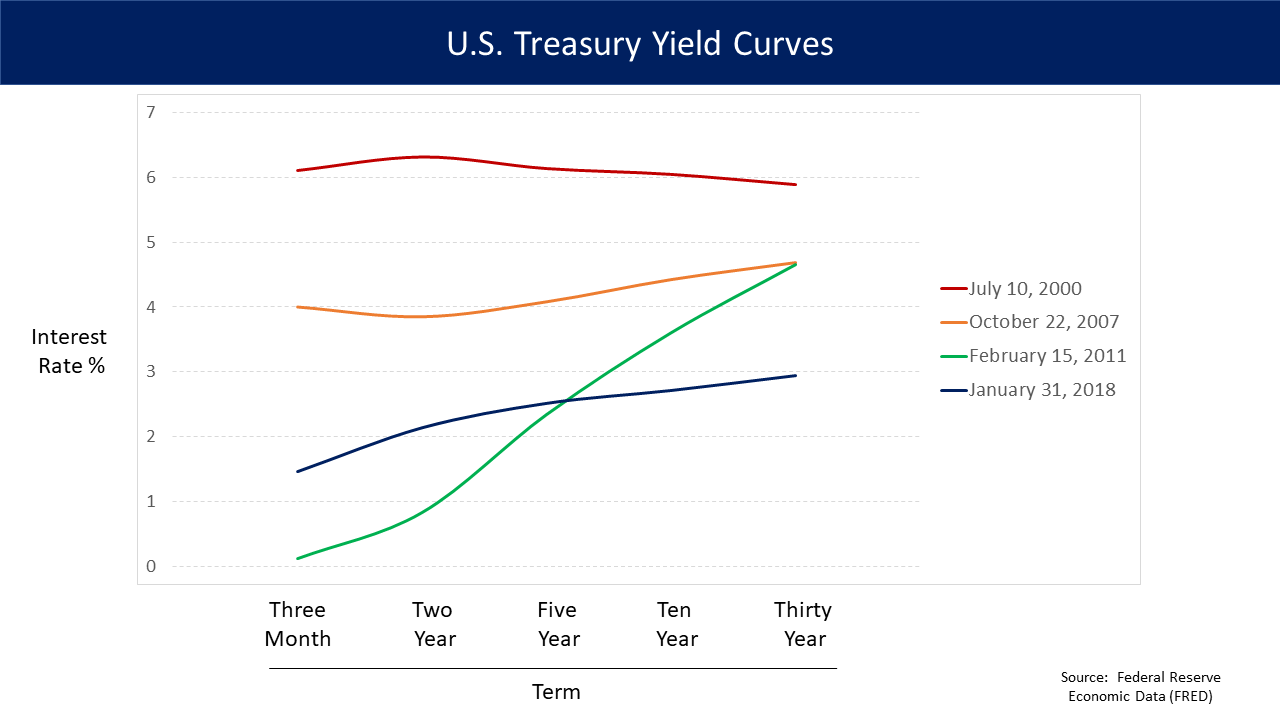
U.S. Treasury yield curve chart U.S. Treasury yield curve chart

Treasury Yields Surge

The 10‑year Treasury yield breached the 4.4% mark, a level not seen since early 2022. Higher yields translate into more expensive borrowing for companies, eroding profit forecasts and prompting a sell‑off in growth‑oriented stocks. Analysts point to three intertwined drivers:

  • Federal Reserve policy: Recent statements hint at a slower pace of rate cuts, keeping short‑term rates elevated.
  • Inflation data: Core CPI remained stubbornly above the 2% target, reinforcing expectations of tighter monetary stance.
  • Fiscal concerns: Rising U.S. deficits have nudged investors toward safer government bonds, pushing yields up.

"The market is reacting to the reality that cheap money is no longer a given," said Rohit Mehta, senior market strategist at Axis Capital.

Global Geopolitics and Oil

Compounding the yield shock, Middle East tensions resurfaced, sending crude prices above $85 per barrel. Higher oil costs feed into inflationary pressures, feeding back into the Fed’s policy calculus. Bloomberg highlighted the link: "US stocks decline as Middle East stalemate pushes oil higher," underscoring the interconnectedness of geopolitics and equity markets.

Investor Sentiment in India

Indian investors, traditionally attuned to global cues, mirrored the sell‑off. Mutual fund outflows rose to ₹12,000 crore in the first two days of the week, while the Nifty 50 mirrored the Dow’s dip, slipping 0.6%.

  • Retail panic: Social media chatter spiked, with hashtags like #SellStocks trending on Twitter India.
  • Foreign inflows: Institutional foreign investors trimmed exposure, citing yield concerns.
  • Sectoral impact: IT and pharma stocks, sensitive to dollar‑denominated earnings, bore the brunt of the decline.

What the Dow Jones Trend Tells Us

The trending search term signals a heightened public interest in the Dow Jones as a barometer of global risk. While the index is a U.S. construct, its movements ripple through emerging markets, influencing capital flows, currency valuations, and local market sentiment.

Looking Ahead

Potential Catalysts

  • Fed rate path: Any hint of a pause or cut could reverse the yield climb, providing relief.
  • Resolution in the Middle East: A diplomatic breakthrough would likely ease oil prices and curb inflation fears.
  • Earnings season: Strong corporate results could offset macro headwinds, especially from sectors less rate‑sensitive.

Risk Factors

  • Persistently high yields could tighten corporate balance sheets, leading to broader earnings revisions.
  • Escalating geopolitical risk may keep oil volatile, feeding back into inflation.
  • Domestic policy shifts in India, such as changes to FII caps, could amplify market swings.

Key Takeaway: The convergence of rising Treasury yields, geopolitical uncertainty, and heightened investor vigilance created a perfect storm that nudged global equities lower. As the Dow Jones continues to dominate search trends, market participants will watch the Fed’s next move and oil price trajectories closely—both will dictate whether the current dip is a fleeting correction or the start of a more sustained bearish phase.


Original Reporting & Source: Google Trends (India)

Discussion (0)

Sign in to join the discussion.

No comments yet. Be the first to start the conversation!

| |

Why Stocks Slid as Treasury Yields Spiked: The Dow Jones Surge Explained

By Umang Sisodia • 3 min read • 4 views

Market Snapshot

The Indian Google Trends dashboard lit up this week with the query "dow jones", reflecting a surge of curiosity about the U.S. equity market. Across major exchanges, the Dow Jones Industrial Average slipped 0.8%, dragging the S&P 500 and Nasdaq lower. Simultaneously, U.S. Treasury yields jumped to their highest levels in months, tightening financing costs for corporations and investors alike.

U.S. Treasury yield curve chart U.S. Treasury yield curve chart

Treasury Yields Surge

The 10‑year Treasury yield breached the 4.4% mark, a level not seen since early 2022. Higher yields translate into more expensive borrowing for companies, eroding profit forecasts and prompting a sell‑off in growth‑oriented stocks. Analysts point to three intertwined drivers:

  • Federal Reserve policy: Recent statements hint at a slower pace of rate cuts, keeping short‑term rates elevated.
  • Inflation data: Core CPI remained stubbornly above the 2% target, reinforcing expectations of tighter monetary stance.
  • Fiscal concerns: Rising U.S. deficits have nudged investors toward safer government bonds, pushing yields up.

"The market is reacting to the reality that cheap money is no longer a given," said Rohit Mehta, senior market strategist at Axis Capital.

Global Geopolitics and Oil

Compounding the yield shock, Middle East tensions resurfaced, sending crude prices above $85 per barrel. Higher oil costs feed into inflationary pressures, feeding back into the Fed’s policy calculus. Bloomberg highlighted the link: "US stocks decline as Middle East stalemate pushes oil higher," underscoring the interconnectedness of geopolitics and equity markets.

Investor Sentiment in India

Indian investors, traditionally attuned to global cues, mirrored the sell‑off. Mutual fund outflows rose to ₹12,000 crore in the first two days of the week, while the Nifty 50 mirrored the Dow’s dip, slipping 0.6%.

  • Retail panic: Social media chatter spiked, with hashtags like #SellStocks trending on Twitter India.
  • Foreign inflows: Institutional foreign investors trimmed exposure, citing yield concerns.
  • Sectoral impact: IT and pharma stocks, sensitive to dollar‑denominated earnings, bore the brunt of the decline.

What the Dow Jones Trend Tells Us

The trending search term signals a heightened public interest in the Dow Jones as a barometer of global risk. While the index is a U.S. construct, its movements ripple through emerging markets, influencing capital flows, currency valuations, and local market sentiment.

Looking Ahead

Potential Catalysts

  • Fed rate path: Any hint of a pause or cut could reverse the yield climb, providing relief.
  • Resolution in the Middle East: A diplomatic breakthrough would likely ease oil prices and curb inflation fears.
  • Earnings season: Strong corporate results could offset macro headwinds, especially from sectors less rate‑sensitive.

Risk Factors

  • Persistently high yields could tighten corporate balance sheets, leading to broader earnings revisions.
  • Escalating geopolitical risk may keep oil volatile, feeding back into inflation.
  • Domestic policy shifts in India, such as changes to FII caps, could amplify market swings.

Key Takeaway: The convergence of rising Treasury yields, geopolitical uncertainty, and heightened investor vigilance created a perfect storm that nudged global equities lower. As the Dow Jones continues to dominate search trends, market participants will watch the Fed’s next move and oil price trajectories closely—both will dictate whether the current dip is a fleeting correction or the start of a more sustained bearish phase.


Original Reporting & Source: Google Trends (India)