Umang Sisodia • • 4 min read • 8 views

IndiGo A321 Tail‑Strike in Bengaluru: Weather Blamed, Safety Questions Rise
IndiGo A321 Tail‑Strike in Bengaluru: Weather Blamed, Safety Questions Rise

What Happened?

On September 27, 2024, an IndiGo Airbus A321 operating the Guwahati‑Bengaluru sector made an abnormal runway contact during its landing roll at Kempegowda International Airport. The aircraft’s tail scraped the runway surface just before the aircraft came to a stop. IndiGo quickly released a statement attributing the incident to adverse weather conditions, specifically heavy rain and gusty winds that prevailed at the time.

"The aircraft encountered unexpected wind shear and reduced visibility during the landing phase, which contributed to the tail‑strike incident. No injuries were reported, and the aircraft is undergoing a thorough inspection," – IndiGo spokesperson.

The incident was captured by on‑site media and quickly spread across social platforms, prompting a surge in searches for terms like “weather Bengaluru” and “IndiGo tail strike”.

Why Weather Became the Focal Point?

India’s monsoon season often brings intense, localized downpours that can challenge even seasoned pilots. On the day of the incident, Bengaluru experienced sudden gusts exceeding 30 km/h, heavy rain, and a brief period of reduced visibility, conditions that are known to increase the risk of wind shear and hydroplaning.

  • Wind shear can cause sudden loss of lift, forcing pilots to adjust pitch abruptly.
  • Hydroplaning reduces tyre friction, making it harder to brake and maintain directional control.
  • Reduced visibility hampers the crew’s ability to gauge runway alignment.

These factors collectively create a perfect storm for a tail‑strike, especially on larger aircraft like the A321, which have longer fuselages and higher landing speeds.
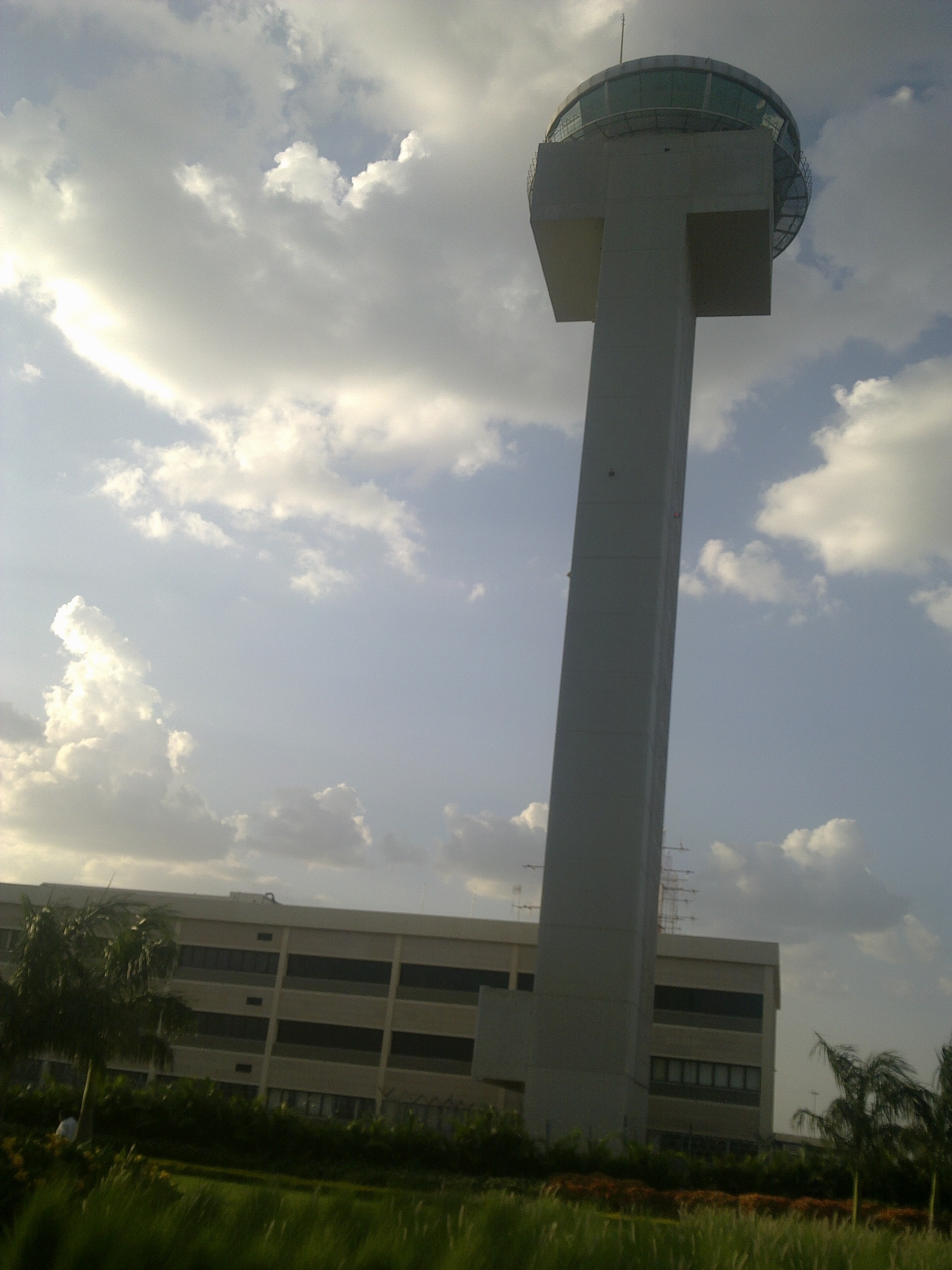
Bengaluru sky cloudy weather Bengaluru sky cloudy weather

Historical Context of Tail Strikes

Tail‑strikes are not new to aviation, but they remain a critical safety indicator. According to the International Civil Aviation Organization (ICAO), tail‑strikes account for roughly 1% of all commercial aircraft incidents, yet they often lead to costly structural repairs and, in severe cases, compromise the aircraft’s airframe integrity.

  • 1995: A Boeing 747 suffered a tail‑strike on a wet runway in Tokyo, prompting stricter landing speed regulations.
  • 2020: Multiple A320‑family aircraft reported tail‑strikes in Europe during a period of unusually strong wind shear events.
  • 2024: This Bengaluru incident marks the second tail‑strike involving an IndiGo A321 within a year, raising questions about operational procedures during adverse weather.

Industry & Regulatory Response

The Directorate General of Civil Aviation (DGCA) has announced a preliminary inquiry into the Bengaluru event. Key focus areas include:

  1. Pilot decision‑making – assessment of go‑around protocols under deteriorating weather.
  2. Air Traffic Control (ATC) coordination – evaluation of real‑time weather updates provided to pilots.
  3. Aircraft maintenance – verification that landing gear and braking systems were fully functional.

IndiGo, meanwhile, has pledged to review its weather‑related SOPs and conduct additional simulator training for its pilots focusing on wind‑shear recovery techniques.

Future Impact and Takeaways

The incident underscores the importance of robust weather monitoring and dynamic decision‑making in Indian aviation, especially as climate patterns become increasingly erratic.

  • Airlines may invest in enhanced onboard weather radar and real‑time data links.
  • Airports could upgrade drainage systems to mitigate hydroplaning risks.
  • Regulators might tighten landing‑performance criteria during heavy rain.

Key Takeaways

  • IndiGo’s A321 tail‑strike was directly linked to sudden gusts and heavy rain at Bengaluru airport.
  • This is the second tail‑strike involving an IndiGo A321 this year, prompting operational reviews.
  • DGCA’s inquiry will focus on pilot decisions, ATC communication, and aircraft readiness.
  • The event highlights the growing need for weather‑adaptive protocols in Indian aviation.

Stay tuned for updates as the investigation unfolds and the aviation community adapts to the challenges posed by a changing climate.


Original Reporting & Source: Google Trends (India)

Discussion (0)

Sign in to join the discussion.

No comments yet. Be the first to start the conversation!

| |

IndiGo A321 Tail‑Strike in Bengaluru: Weather Blamed, Safety Questions Rise

By Umang Sisodia • 4 min read • 8 views

What Happened?

On September 27, 2024, an IndiGo Airbus A321 operating the Guwahati‑Bengaluru sector made an abnormal runway contact during its landing roll at Kempegowda International Airport. The aircraft’s tail scraped the runway surface just before the aircraft came to a stop. IndiGo quickly released a statement attributing the incident to adverse weather conditions, specifically heavy rain and gusty winds that prevailed at the time.

"The aircraft encountered unexpected wind shear and reduced visibility during the landing phase, which contributed to the tail‑strike incident. No injuries were reported, and the aircraft is undergoing a thorough inspection," – IndiGo spokesperson.

The incident was captured by on‑site media and quickly spread across social platforms, prompting a surge in searches for terms like “weather Bengaluru” and “IndiGo tail strike”.

Why Weather Became the Focal Point?

India’s monsoon season often brings intense, localized downpours that can challenge even seasoned pilots. On the day of the incident, Bengaluru experienced sudden gusts exceeding 30 km/h, heavy rain, and a brief period of reduced visibility, conditions that are known to increase the risk of wind shear and hydroplaning.

  • Wind shear can cause sudden loss of lift, forcing pilots to adjust pitch abruptly.
  • Hydroplaning reduces tyre friction, making it harder to brake and maintain directional control.
  • Reduced visibility hampers the crew’s ability to gauge runway alignment.

These factors collectively create a perfect storm for a tail‑strike, especially on larger aircraft like the A321, which have longer fuselages and higher landing speeds.

Bengaluru sky cloudy weather Bengaluru sky cloudy weather

Historical Context of Tail Strikes

Tail‑strikes are not new to aviation, but they remain a critical safety indicator. According to the International Civil Aviation Organization (ICAO), tail‑strikes account for roughly 1% of all commercial aircraft incidents, yet they often lead to costly structural repairs and, in severe cases, compromise the aircraft’s airframe integrity.

  • 1995: A Boeing 747 suffered a tail‑strike on a wet runway in Tokyo, prompting stricter landing speed regulations.
  • 2020: Multiple A320‑family aircraft reported tail‑strikes in Europe during a period of unusually strong wind shear events.
  • 2024: This Bengaluru incident marks the second tail‑strike involving an IndiGo A321 within a year, raising questions about operational procedures during adverse weather.

Industry & Regulatory Response

The Directorate General of Civil Aviation (DGCA) has announced a preliminary inquiry into the Bengaluru event. Key focus areas include:

  1. Pilot decision‑making – assessment of go‑around protocols under deteriorating weather.
  2. Air Traffic Control (ATC) coordination – evaluation of real‑time weather updates provided to pilots.
  3. Aircraft maintenance – verification that landing gear and braking systems were fully functional.

IndiGo, meanwhile, has pledged to review its weather‑related SOPs and conduct additional simulator training for its pilots focusing on wind‑shear recovery techniques.

Future Impact and Takeaways

The incident underscores the importance of robust weather monitoring and dynamic decision‑making in Indian aviation, especially as climate patterns become increasingly erratic.

  • Airlines may invest in enhanced onboard weather radar and real‑time data links.
  • Airports could upgrade drainage systems to mitigate hydroplaning risks.
  • Regulators might tighten landing‑performance criteria during heavy rain.

Key Takeaways

  • IndiGo’s A321 tail‑strike was directly linked to sudden gusts and heavy rain at Bengaluru airport.
  • This is the second tail‑strike involving an IndiGo A321 this year, prompting operational reviews.
  • DGCA’s inquiry will focus on pilot decisions, ATC communication, and aircraft readiness.
  • The event highlights the growing need for weather‑adaptive protocols in Indian aviation.

Stay tuned for updates as the investigation unfolds and the aviation community adapts to the challenges posed by a changing climate.


Original Reporting & Source: Google Trends (India)