Umang Sisodia • • 4 min read • 1 view

NCERT Revamps 9th‑Grade Syllabus with Lijjat Papad‑Oberoi Success Story
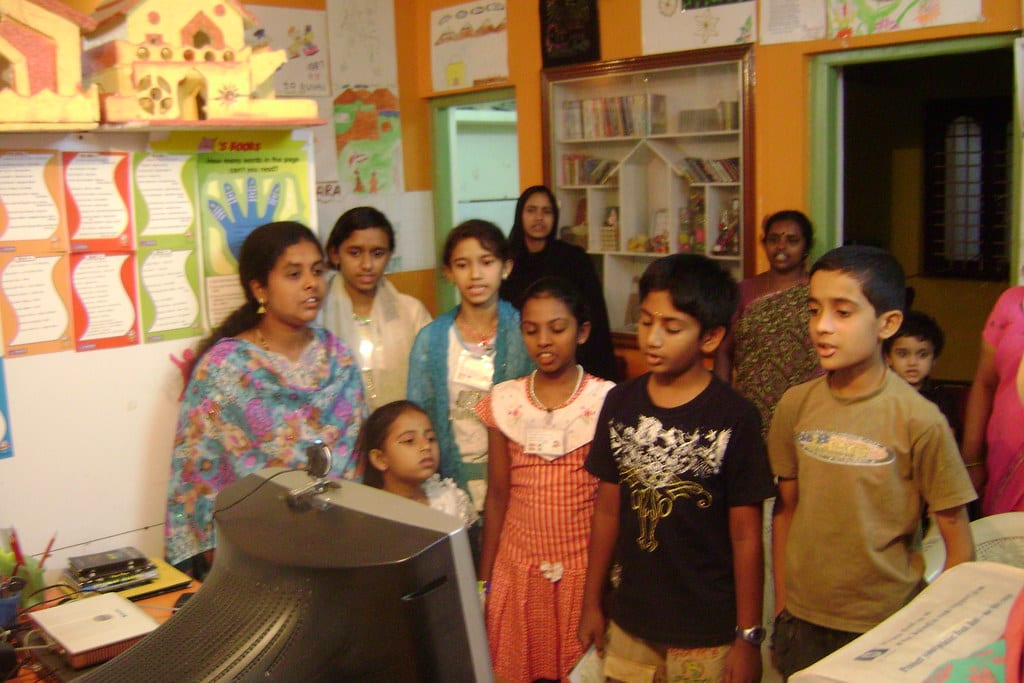
NCERT Revamps 9th‑Grade Syllabus with Lijjat Papad‑Oberoi Success Story

NCERT’s Bold Curriculum Overhaul

The National Council of Educational Research and Training (NCERT) has announced a groundbreaking change to the Class 9 syllabus: a dedicated chapter on the inspiring journey of Lijjat Papad and the Oberoi family. The move, unveiled in a press conference in Delhi, aims to bring entrepreneurship, women empowerment, and grassroots innovation to the fingertips of millions of school‑children across India.


Why Lijjat Papad? A Tale Worth Telling

Lijjat Papad isn’t just a snack brand; it is a social enterprise that started in 1959 with a handful of women in a modest Mumbai kitchen. Today, the cooperative boasts:

  • Over 45,000 women across 30 states contributing to its production.
  • Annual turnover exceeding ₹1,000 crore, all profits shared among members.
  • A self‑sustaining model that funds education, healthcare, and community projects.

By spotlighting this story, NCERT hopes to:

  1. Showcase home‑grown entrepreneurship that thrives without heavy capital.
  2. Highlight gender‑inclusive growth, encouraging young girls to envision leadership roles.
  3. Instill values of collective responsibility and social impact among students.

"Stories like Lijjat Papad turn textbooks into living laboratories of hope," said Dr. K. Radhakrishnan, Chairperson of NCERT’s Curriculum Development Committee.
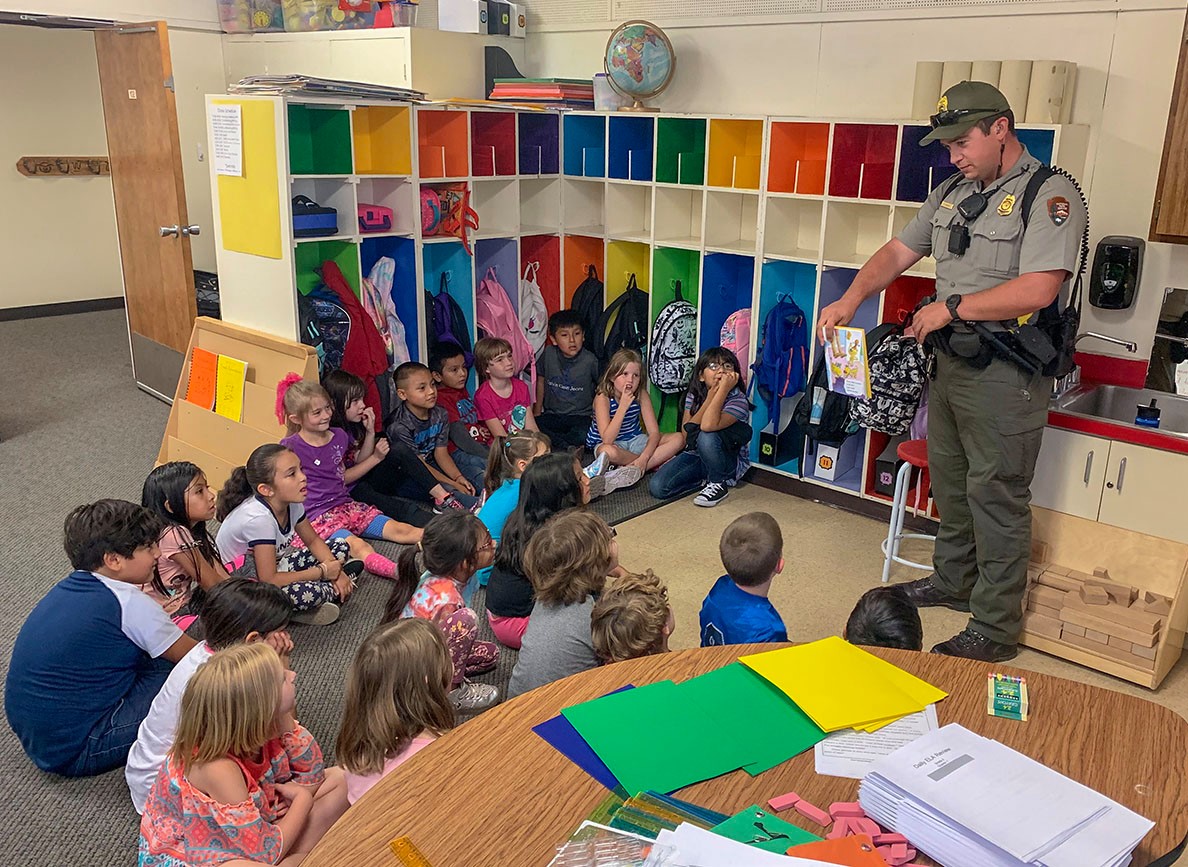

NCERT textbook development meeting NCERT textbook development meeting

The New Chapter: Structure & Content

The freshly added chapter, titled “From Kitchen to Nation: The Lijjat Papad Story,” spans four sections:

  • Origins & Vision – tracing the humble beginnings and the founding women’s ethos.
  • Growth Mechanics – a deep‑dive into cooperative governance, scaling production, and brand evolution.
  • Social Impact – case studies on education scholarships, health camps, and disaster relief.
  • Entrepreneurial Lessons – interactive activities prompting students to design a micro‑enterprise plan.

Each section is peppered with infographics, first‑person narratives, and QR‑code links to short documentary clips, making learning multimedia‑rich and engaging.

Within hours of the announcement, the query “Lijjat Papad NCERT” spiked to #2 on Google Trends India, eclipsing even mainstream political news. The surge can be attributed to:

  • Social media buzz from teachers sharing curriculum previews.
  • Parent forums debating the relevance of business stories in academic syllabi.
  • Student groups creating memes and short videos celebrating the brand’s legacy.

The digital chatter underscores a growing appetite for curriculum that mirrors real‑world success narratives.


Anticipated Impact on Students & Society

Short‑Term Benefits

  • Enhanced engagement: Interactive modules are projected to raise textbook retention rates by 15‑20%.
  • Skill development: Critical thinking and problem‑solving exercises linked to the chapter align with the Skill India agenda.

Long‑Term Vision

  • Cultivating future entrepreneurs: Early exposure to cooperative models may inspire a new generation of socially‑driven startups.
  • Gender parity in education: Highlighting women‑led success stories can shift societal norms, encouraging more girls to pursue STEM and business studies.

What’s Next for NCERT?

The Lijjat Papad chapter is just the first of many industry‑focused narratives slated for the upcoming academic year. Sources suggest upcoming additions on:

  • Space‑tech startups like Skyroot Aerospace.
  • Green energy pioneers such as ReNew Power.
  • Digital innovators like Paytm’s rural outreach.

These inclusions signal NCERT’s strategic pivot toward a curriculum that bridges textbook theory with real‑world innovation.


Key Takeaways

  • NCERT integrates Lijjat Papad‑Oberoi story into 9th‑grade syllabus, emphasizing entrepreneurship and women empowerment.
  • The change sparked a massive online trend, reflecting public interest in practical, story‑driven education.
  • Expected outcomes include higher student engagement, skill development, and a cultural shift toward inclusive entrepreneurship.

Stay tuned for more updates as schools roll out the new textbooks across India.


Original Reporting & Source: India Today Top Stories

Discussion (0)

Sign in to join the discussion.

No comments yet. Be the first to start the conversation!

| |

NCERT Revamps 9th‑Grade Syllabus with Lijjat Papad‑Oberoi Success Story

By Umang Sisodia • 4 min read • 1 view

NCERT’s Bold Curriculum Overhaul

The National Council of Educational Research and Training (NCERT) has announced a groundbreaking change to the Class 9 syllabus: a dedicated chapter on the inspiring journey of Lijjat Papad and the Oberoi family. The move, unveiled in a press conference in Delhi, aims to bring entrepreneurship, women empowerment, and grassroots innovation to the fingertips of millions of school‑children across India.


Why Lijjat Papad? A Tale Worth Telling

Lijjat Papad isn’t just a snack brand; it is a social enterprise that started in 1959 with a handful of women in a modest Mumbai kitchen. Today, the cooperative boasts:

  • Over 45,000 women across 30 states contributing to its production.
  • Annual turnover exceeding ₹1,000 crore, all profits shared among members.
  • A self‑sustaining model that funds education, healthcare, and community projects.

By spotlighting this story, NCERT hopes to:

  1. Showcase home‑grown entrepreneurship that thrives without heavy capital.
  2. Highlight gender‑inclusive growth, encouraging young girls to envision leadership roles.
  3. Instill values of collective responsibility and social impact among students.

"Stories like Lijjat Papad turn textbooks into living laboratories of hope," said Dr. K. Radhakrishnan, Chairperson of NCERT’s Curriculum Development Committee.


NCERT textbook development meeting NCERT textbook development meeting

The New Chapter: Structure & Content

The freshly added chapter, titled “From Kitchen to Nation: The Lijjat Papad Story,” spans four sections:

  • Origins & Vision – tracing the humble beginnings and the founding women’s ethos.
  • Growth Mechanics – a deep‑dive into cooperative governance, scaling production, and brand evolution.
  • Social Impact – case studies on education scholarships, health camps, and disaster relief.
  • Entrepreneurial Lessons – interactive activities prompting students to design a micro‑enterprise plan.

Each section is peppered with infographics, first‑person narratives, and QR‑code links to short documentary clips, making learning multimedia‑rich and engaging.

Within hours of the announcement, the query “Lijjat Papad NCERT” spiked to #2 on Google Trends India, eclipsing even mainstream political news. The surge can be attributed to:

  • Social media buzz from teachers sharing curriculum previews.
  • Parent forums debating the relevance of business stories in academic syllabi.
  • Student groups creating memes and short videos celebrating the brand’s legacy.

The digital chatter underscores a growing appetite for curriculum that mirrors real‑world success narratives.


Anticipated Impact on Students & Society

Short‑Term Benefits

  • Enhanced engagement: Interactive modules are projected to raise textbook retention rates by 15‑20%.
  • Skill development: Critical thinking and problem‑solving exercises linked to the chapter align with the Skill India agenda.

Long‑Term Vision

  • Cultivating future entrepreneurs: Early exposure to cooperative models may inspire a new generation of socially‑driven startups.
  • Gender parity in education: Highlighting women‑led success stories can shift societal norms, encouraging more girls to pursue STEM and business studies.

What’s Next for NCERT?

The Lijjat Papad chapter is just the first of many industry‑focused narratives slated for the upcoming academic year. Sources suggest upcoming additions on:

  • Space‑tech startups like Skyroot Aerospace.
  • Green energy pioneers such as ReNew Power.
  • Digital innovators like Paytm’s rural outreach.

These inclusions signal NCERT’s strategic pivot toward a curriculum that bridges textbook theory with real‑world innovation.


Key Takeaways

  • NCERT integrates Lijjat Papad‑Oberoi story into 9th‑grade syllabus, emphasizing entrepreneurship and women empowerment.
  • The change sparked a massive online trend, reflecting public interest in practical, story‑driven education.
  • Expected outcomes include higher student engagement, skill development, and a cultural shift toward inclusive entrepreneurship.

Stay tuned for more updates as schools roll out the new textbooks across India.


Original Reporting & Source: India Today Top Stories