Umang Sisodia • • 4 min read • 2 views
Iran’s Sholay Mock of the UN Sparks Global Debate on the Body’s Real‑World Credibility
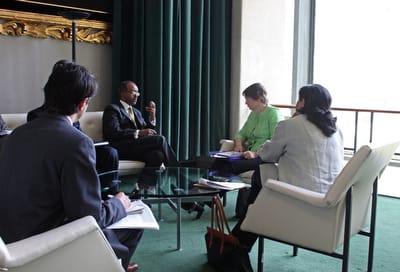
UN in Textbooks vs Reality
The United Nations often appears in schoolbooks and academic curricula as a paragon of global cooperation, a neutral arena where wars are resolved through dialogue and peacekeeping missions. Chapter after chapter, students read about the UN’s lofty ideals – “the world’s conscience, a platform for diplomacy, and a guardian of human rights.” Yet the headlines of 2024 tell a very different story.
The Idealized UN in Academic Literature
- Foundational narratives focus on the UN Charter, the Universal Declaration of Human Rights, and landmark peace accords.
- Case studies celebrate successful interventions in places like Liberia, East Timor, and the Balkans.
- Textbook diagrams depict the General Assembly and Security Council as perfectly balanced bodies where every nation’s voice carries equal weight.
These portrayals, while pedagogically useful, gloss over the political dead‑locks, veto power struggles, and selective enforcement that have plagued the organization for decades.
Iran’s Pop‑Culture Mockery
Amid the ongoing Israel‑Hamas war, Iran’s state‑run media released a short video that juxtaposed a clip from the 1975 Bollywood classic Sholay with the UN emblem. The clip shows the iconic Thakur (played by Sanjeev Kumar) delivering a stern warning – a line that was subtitled in Persian to read, “If you don’t listen, you’ll face the consequences.” The visual ends with the UN logo flashing, implying the world body is as ineffective as a fictional villain.
"We use cultural references that resonate with the masses to highlight the UN’s impotence," a senior spokesperson for Iran’s Ministry of Foreign Affairs told India Today.
The stunt went viral on X, Instagram Reels, and Telegram, racking up over 2 million views within hours. International media outlets picked it up, turning a cinematic meme into a geopolitical talking point.
Why This Story Is Trending
Social Media Amplification
- Hashtag #UNMocked trended on X in India, Iran, and the United States.
- Influencers and political analysts created reaction videos dissecting the symbolism of Thakur as a vigilante figure.
- The meme format encouraged users to remix the clip with other UN‑related failures, creating a cascade of user‑generated content.
Geopolitical Context
- Iran has long positioned itself as a challenger to Western‑led diplomatic frameworks, especially after the U.S. withdrawal from the JCPOA.
- The timing coincides with increased UN criticism of Iran’s regional activities, from the Syrian theater to the Red Sea attacks.
- By invoking Sholay, a film beloved across South Asia and the Middle East, Tehran taps into a shared cultural lexicon that transcends language barriers.
Potential Implications
- Diplomatic fallout: The UN may face renewed calls for reform, especially regarding the Security Council veto power that often shields powerful allies.
- Public perception: Pop‑culture attacks can erode trust in international institutions, making it harder for the UN to mobilize consensus on humanitarian crises.
- Media strategy: Nations may increasingly adopt cinematic or meme‑based tactics to shape narratives, blurring the line between propaganda and entertainment.
Key Takeaways
- The UN’s textbook image is increasingly at odds with its real‑world performance.
- Iran’s use of Sholay illustrates how cultural symbols become diplomatic weapons.
- The episode underscores the growing power of social media to amplify geopolitical messaging.
“When a film character becomes a metaphor for an international body, it signals a profound disconnect between idealism and reality,” notes Dr. Ayesha Khan, professor of International Relations at Jawaharlal Nehru University.
As the world watches, the question remains: can the United Nations reinvent its narrative, or will it continue to be the subject of memes and mockery?
Original Reporting & Source: India Today Top Stories

Discussion (0)
Sign in to join the discussion.
No comments yet. Be the first to start the conversation!