Umang Sisodia • • 4 min read • 3 views
India’s Push for 100% Ethanol Cars: Gadkari’s Flex‑Fuel Vision Gains Momentum
The Announcement that Sparked a Buzz
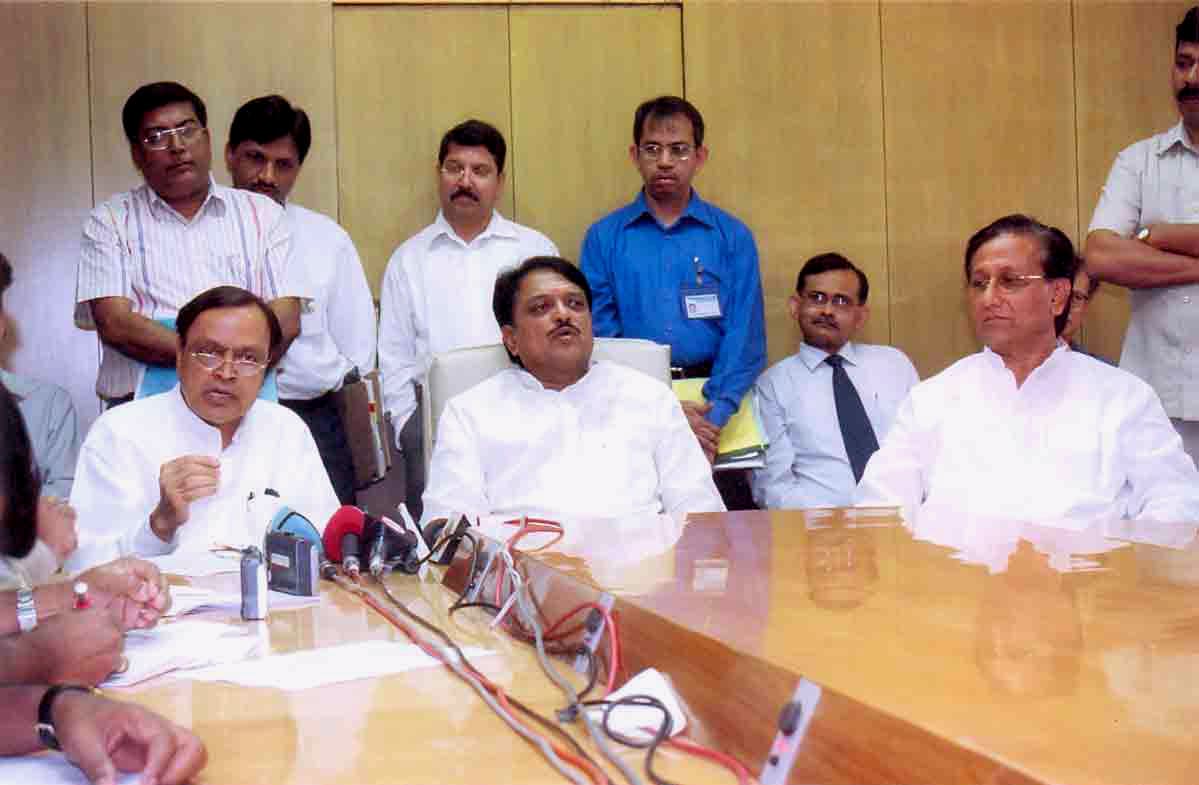
On a crisp morning in New Delhi, Union Minister for Road Transport & Highways Nitin Gadkari announced that Indian engineers are actively developing flex‑fuel engines capable of running on 100% ethanol. The statement, first reported by The Times of India and echoed by The Hindu, sent ripples across social media, Google Trends, and industry boardrooms. Within hours, the query “nitin gadkari ethanol” crossed the 200‑search mark, signalling a surge of public curiosity about a fuel future that could reshape India’s automotive landscape.
What Gadkari Said
"We are close to commercialising flex‑fuel engines that can run on pure ethanol. This will not only cut down fuel import bills but also boost farmer incomes."
Gadkari also clarified that the E20 blend—20% ethanol, 80% gasoline—already offers higher mileage and no adverse effect on vehicle longevity, a point highlighted in his interview with The Hindu.
Why Flex‑Fuel Matters Now
- Energy Security: India imports over 80% of its petroleum, a vulnerability that ethanol can mitigate.
- Agricultural Boost: Ethanol production uses surplus sugarcane and other crops, directly benefitting farmers.
- Climate Goals: Ethanol burns cleaner, cutting CO₂ emissions by up to 20% compared with conventional gasoline.
Policy Landscape
The Ministry of Road Transport & Highways (MoRTH) has already set a roadmap to increase ethanol blending to 20% by 2025 and 30% by 2030. The Ethanol Blending Programme (EBP) provides subsidies to sugar mills and incentivises fuel stations to install ethanol‑compatible pumps.
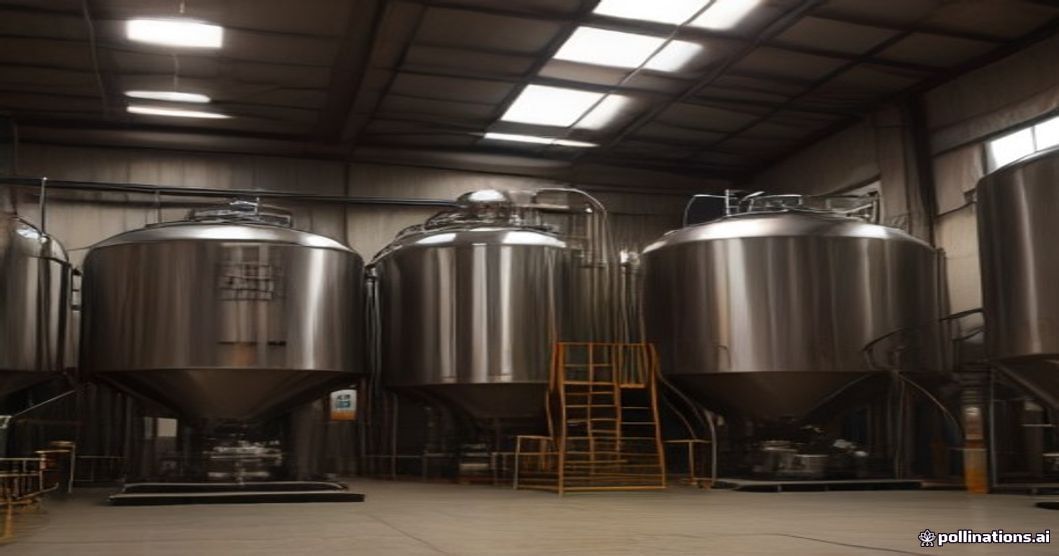 Indian ethanol distillery plant
Industry Response
Toyota’s Innova Hycross Flex‑Fuel Launch
In October, Toyota announced the launch of the Innova Hycross Flex‑Fuel, a flagship MPV that can switch between gasoline and 100% ethanol with a single tap. The move, reported by NDTV, positions Toyota as a pioneer in the Indian flex‑fuel market and underscores the automaker’s confidence in the technology.
Other Automakers
- Mahindra & Mahindra: Testing ethanol‑compatible diesel engines for its utility vehicles.
- Hyundai: Exploring dual‑fuel kits for its compact cars.
- Maruti Suzuki: Awaiting government clearance before committing to flex‑fuel prototypes.
Challenges & Opportunities
Infrastructure Gaps
- Fuel Stations: Only ~30% of Indian pumps currently dispense ethanol blends; scaling to 100% ethanol will require massive retrofitting.
- Storage: Ethanol is hygroscopic, demanding specialized tanks and logistics.
Engine Technology
- Corrosion Resistance: Engines need components that can withstand ethanol’s solvent properties.
- Cold‑Start Performance: Ethanol’s lower vapor pressure can affect start‑up in colder climates, a technical hurdle under active research.
Looking Ahead
Impact on Farmers
A higher ethanol blend translates to greater demand for sugarcane, corn, and other bio‑feedstocks, potentially raising farmgate prices and stabilising rural incomes.
Environmental Gains
- Reduced Carbon Footprint: Up to 15‑20% lower greenhouse gas emissions per kilometre.
- Improved Air Quality: Lower particulate matter and carbon monoxide levels in urban centers.
Consumer Adoption
The success of flex‑fuel will hinge on price parity with petrol, ease of refuelling, and consumer awareness campaigns—areas where the Ministry and industry stakeholders must collaborate closely.
"Flex‑fuel is not just a technological shift; it’s a socio‑economic transformation that can empower farmers, protect the environment, and reduce our oil import bill," Gadkari concluded.
Key Takeaways
- India aims to develop 100% ethanol‑capable engines, with policy backing and industry pilots already in motion.
- Toyota’s Innova Hycross Flex‑Fuel launch marks a tangible step toward market readiness.
- Overcoming infrastructure and technical challenges will determine the speed and scale of adoption.
The next few years will be critical as policy, technology, and market forces converge to decide whether India’s roads will run on sugarcane‑derived fuel.
Original Reporting & Source: Google Trends (India)

Discussion (0)
Sign in to join the discussion.
No comments yet. Be the first to start the conversation!