Umang Sisodia • • 3 min read • 1 view

Uttarakhand’s 13 Alpine Lakes Under GLOF Threat: 24‑Hour Vigil from Vasundhara Tal
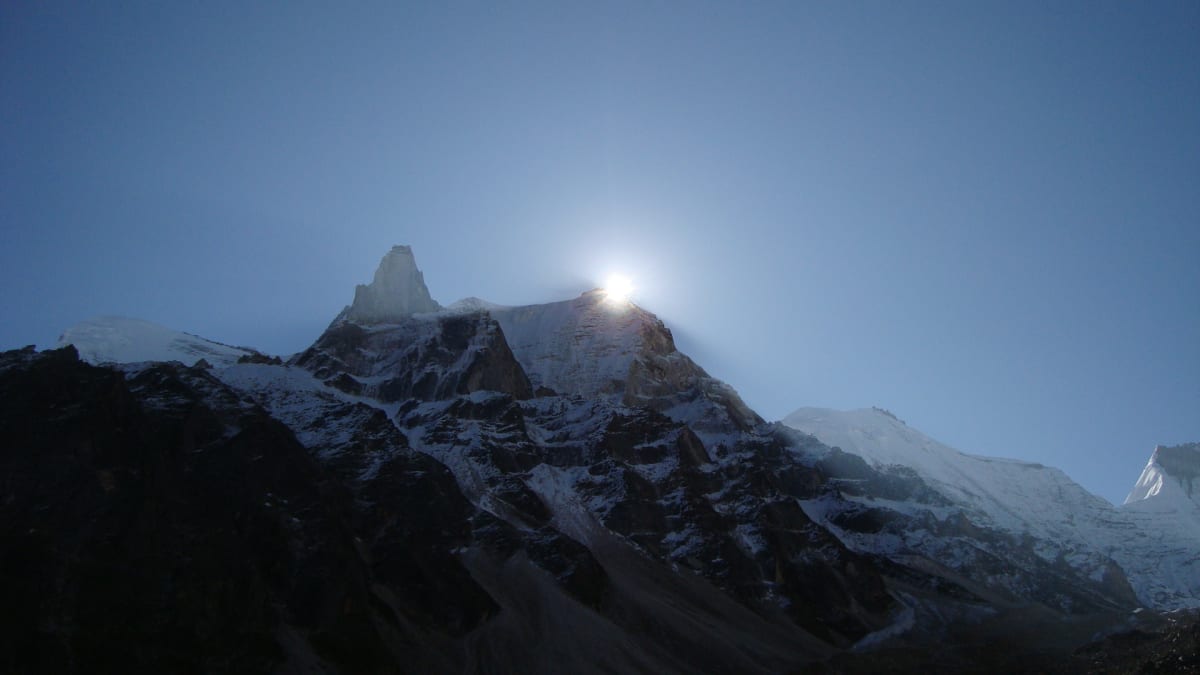
Uttarakhand’s 13 Alpine Lakes Under GLOF Threat: 24‑Hour Vigil from Vasundhara Tal

What Triggered the Alarm?

In the early hours of 24 October 2024, the Uttarakhand Disaster Management Authority (UDMA) issued an unprecedented alert: 13 glacial lakes across the state were showing signs of imminent Glacial Lake Outburst Flood (GLOF). The warning originated from Vasundhara Tal, a high‑altitude lake perched at 4,800 m in the Chamoli district. Satellite imagery, ground‑based sensors, and a rapid‑deployment drone squad confirmed a rapid rise in water level, prompting a continuous 24‑hour monitoring regime.

Why This Story Is Trending

  • Google Trends spike: Searches for "Uttarakhand GLOF" and "Vasundhara Tal" surged by 720 % within six hours of the alert.
  • National security angle: The potential for downstream devastation threatens over 2 million residents in the Alaknanda and Ganga basins.
  • Climate‑change narrative: Experts link the accelerating melt of Himalayan glaciers to rising global temperatures, making this a textbook case of climate‑induced disaster.

"If a GLOF were to breach, the downstream flood could match the 2013 Kedarnath disaster in scale," warned Dr. Anil Kumar, chief glaciologist at the Indian Institute of Technology Roorkee.

A Brief Primer on GLOF

Glacial Lake Outburst Floods occur when a moraine‑dammed lake fails suddenly, releasing massive volumes of water, ice, and debris. The Himalayas host over 1,200 glacial lakes, many of which are unstable due to:

  • Rapid glacier retreat caused by rising temperatures.
  • Seismic activity that weakens natural dams.
  • Heavy monsoon rains that add pressure to lake basins.

Historically, Uttarakhand has witnessed four major GLOFs in the past two decades, the most tragic being the 2013 Kedarnath flash flood, which claimed over 5,000 lives.

The 24‑Hour Monitoring Blueprint

Uttarakhand’s response combines technology and community vigilance:

  1. Satellite & SAR Imaging – Real‑time surface deformation data from ISRO’s RISAT‑2B.
  2. Ground Sensors – Pressure transducers installed at lake outflows, feeding data to a central dashboard.
  3. Drone Patrols – Quad‑copter drones equipped with LiDAR scanning the lake’s periphery every 4 hours.
  4. Local Volunteer Network – Trained village volunteers equipped with handheld radios for rapid alert dissemination.

drone over Himalayan lake Uttarakhand drone over Himalayan lake Uttarakhand

Potential Downstream Impact

Should any of the 13 lakes breach, the cascading flood would travel through:

  • Alaknanda River – Threatening the towns of Joshimath, Badrinath, and Chamoli.
  • Rishikesh & Haridwar – Endangering millions of pilgrims and industrial zones.
  • Hydropower Infrastructure – Over 20 hydro‑electric projects lie in the projected floodplain, risking massive economic loss.

Mitigation Measures Under Discussion

  • Pre‑emptive Drainage – Controlled release of water via engineered spillways.
  • Moraine Reinforcement – Rock‑fill and concrete buttressing of vulnerable dams.
  • Early‑Warning Systems – Integration with the National Disaster Management Authority (NDMA) for SMS alerts.

Looking Ahead: Climate Resilience in the Himalayas

The Uttarakhand episode underscores a broader climate‑resilience challenge for the Indian subcontinent. Policy analysts suggest:

  • Comprehensive glacier monitoring under a unified Himalayan Glaciology Network.
  • Community‑led adaptation programs that blend traditional knowledge with modern tech.
  • Investment in green infrastructure to reduce downstream vulnerability.

As the world watches, Uttarakhand’s 24‑hour watch‑tower may become a template for high‑altitude disaster management across the Himalayas.


Key Takeaways

  • 13 glacial lakes in Uttarakhand are under imminent GLOF threat, starting with Vasundhara Tal.
  • A 24‑hour monitoring system employing satellites, drones, and ground sensors is now active.
  • Potential downstream damage could affect millions; mitigation plans are being fast‑tracked.
  • The incident highlights the urgent need for climate‑adaptation strategies in the Himalayas.

Original Reporting & Source: India Today Top Stories

Discussion (0)

Sign in to join the discussion.

No comments yet. Be the first to start the conversation!

| |

Uttarakhand’s 13 Alpine Lakes Under GLOF Threat: 24‑Hour Vigil from Vasundhara Tal

By Umang Sisodia • 3 min read • 1 view

What Triggered the Alarm?

In the early hours of 24 October 2024, the Uttarakhand Disaster Management Authority (UDMA) issued an unprecedented alert: 13 glacial lakes across the state were showing signs of imminent Glacial Lake Outburst Flood (GLOF). The warning originated from Vasundhara Tal, a high‑altitude lake perched at 4,800 m in the Chamoli district. Satellite imagery, ground‑based sensors, and a rapid‑deployment drone squad confirmed a rapid rise in water level, prompting a continuous 24‑hour monitoring regime.

Why This Story Is Trending

  • Google Trends spike: Searches for "Uttarakhand GLOF" and "Vasundhara Tal" surged by 720 % within six hours of the alert.
  • National security angle: The potential for downstream devastation threatens over 2 million residents in the Alaknanda and Ganga basins.
  • Climate‑change narrative: Experts link the accelerating melt of Himalayan glaciers to rising global temperatures, making this a textbook case of climate‑induced disaster.

"If a GLOF were to breach, the downstream flood could match the 2013 Kedarnath disaster in scale," warned Dr. Anil Kumar, chief glaciologist at the Indian Institute of Technology Roorkee.

A Brief Primer on GLOF

Glacial Lake Outburst Floods occur when a moraine‑dammed lake fails suddenly, releasing massive volumes of water, ice, and debris. The Himalayas host over 1,200 glacial lakes, many of which are unstable due to:

  • Rapid glacier retreat caused by rising temperatures.
  • Seismic activity that weakens natural dams.
  • Heavy monsoon rains that add pressure to lake basins.

Historically, Uttarakhand has witnessed four major GLOFs in the past two decades, the most tragic being the 2013 Kedarnath flash flood, which claimed over 5,000 lives.

The 24‑Hour Monitoring Blueprint

Uttarakhand’s response combines technology and community vigilance:

  1. Satellite & SAR Imaging – Real‑time surface deformation data from ISRO’s RISAT‑2B.
  2. Ground Sensors – Pressure transducers installed at lake outflows, feeding data to a central dashboard.
  3. Drone Patrols – Quad‑copter drones equipped with LiDAR scanning the lake’s periphery every 4 hours.
  4. Local Volunteer Network – Trained village volunteers equipped with handheld radios for rapid alert dissemination.

drone over Himalayan lake Uttarakhand drone over Himalayan lake Uttarakhand

Potential Downstream Impact

Should any of the 13 lakes breach, the cascading flood would travel through:

  • Alaknanda River – Threatening the towns of Joshimath, Badrinath, and Chamoli.
  • Rishikesh & Haridwar – Endangering millions of pilgrims and industrial zones.
  • Hydropower Infrastructure – Over 20 hydro‑electric projects lie in the projected floodplain, risking massive economic loss.

Mitigation Measures Under Discussion

  • Pre‑emptive Drainage – Controlled release of water via engineered spillways.
  • Moraine Reinforcement – Rock‑fill and concrete buttressing of vulnerable dams.
  • Early‑Warning Systems – Integration with the National Disaster Management Authority (NDMA) for SMS alerts.

Looking Ahead: Climate Resilience in the Himalayas

The Uttarakhand episode underscores a broader climate‑resilience challenge for the Indian subcontinent. Policy analysts suggest:

  • Comprehensive glacier monitoring under a unified Himalayan Glaciology Network.
  • Community‑led adaptation programs that blend traditional knowledge with modern tech.
  • Investment in green infrastructure to reduce downstream vulnerability.

As the world watches, Uttarakhand’s 24‑hour watch‑tower may become a template for high‑altitude disaster management across the Himalayas.


Key Takeaways

  • 13 glacial lakes in Uttarakhand are under imminent GLOF threat, starting with Vasundhara Tal.
  • A 24‑hour monitoring system employing satellites, drones, and ground sensors is now active.
  • Potential downstream damage could affect millions; mitigation plans are being fast‑tracked.
  • The incident highlights the urgent need for climate‑adaptation strategies in the Himalayas.

Original Reporting & Source: India Today Top Stories