Umang Sisodia • • 3 min read • 1 view

iPhone 16 Launches at Same Price as iPhone 15 – What It Means for Indian Buyers
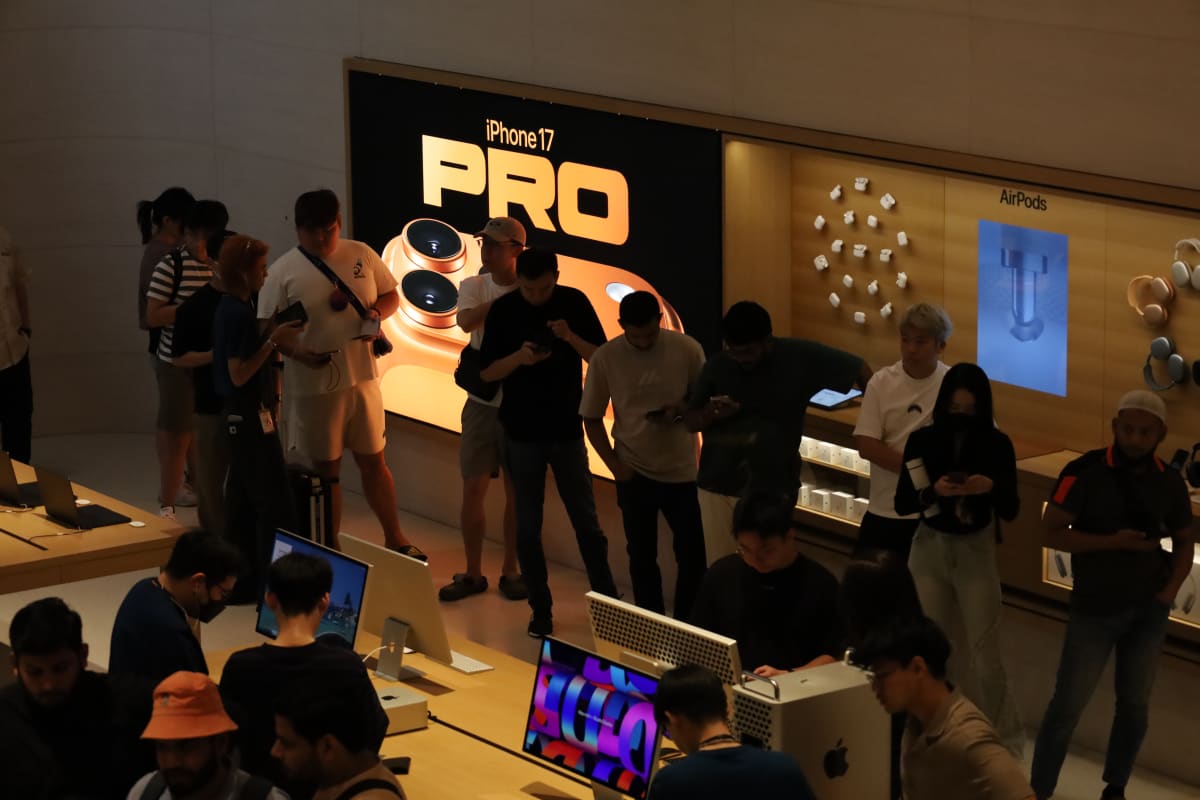
iPhone 16 Launches at Same Price as iPhone 15 – What It Means for Indian Buyers

iPhone 16 Defies Inflation

Apple has announced that the newly launched iPhone 16 will be sold in India at the same price as its predecessor, the iPhone 15, a move that has set social media abuzz and spiked Google Trends. The headline "iPhone 16 available at old price, details here" has been shared across platforms, prompting a wave of speculation about the company’s pricing strategy.

Why the Price Freeze is Making Headlines

The Indian market has been wrestling with a 6‑8 % year‑on‑year rise in consumer electronics prices, driven by a weaker rupee and higher import duties. By keeping the iPhone 16 at the same ₹79,900 (base model) as the iPhone 15, Apple appears to be shielding Indian buyers from inflationary pressure.

Industry analysts argue that the decision is less about altruism and more about market share. India is Apple’s fastest‑growing market, with shipments up 35 % in FY 2024. A price‑stable launch could convert price‑sensitive Android users, especially as rival manufacturers like Samsung and OnePlus are also rolling out mid‑range 5G flagships.

The Business Logic Behind the Decision

  • Currency hedging: Apple has reportedly locked in favorable USD‑INR rates for the next twelve months, allowing it to absorb cost fluctuations.
  • Supply‑chain efficiencies: The iPhone 16 uses the same A‑series chipset architecture as the previous model, reducing R&D and tooling expenses.
  • Regulatory goodwill: By keeping prices steady, Apple sidesteps potential scrutiny from the Competition Commission of India, which has been monitoring pricing practices in the tech sector.

What This Means for Consumers and Competitors

For Indian consumers, the price freeze translates to immediate savings of up to ₹10,000 compared with the expected inflation‑adjusted price. It also signals that premium smartphones can be more accessible without compromising on features such as the new periscope telephoto lens, improved battery life, and iOS 18.

Competitors are likely to feel the pressure to match or undercut Apple’s pricing, potentially igniting a price war in the premium segment. Samsung’s Galaxy S24 Ultra, for instance, is currently priced at ₹1,04,999; a strategic discount could become inevitable.

Key Takeaways

  • Apple’s flat‑price launch is a calculated move to cement its foothold in a price‑sensitive yet rapidly expanding market.
  • The decision leverages currency hedging, supply‑chain continuity, and regulatory foresight.
  • Consumers stand to benefit from immediate cost savings and a broader adoption of premium features.
  • The ripple effect may reshape pricing dynamics across the Indian flagship smartphone landscape.

Stay tuned for post‑launch reviews and real‑world pricing updates as retailers begin to stock the iPhone 16 across metros and tier‑2 cities.


Original Reporting & Source: India Today Top Stories

Discussion (0)

Sign in to join the discussion.

No comments yet. Be the first to start the conversation!

| |

iPhone 16 Launches at Same Price as iPhone 15 – What It Means for Indian Buyers

By Umang Sisodia • 3 min read • 1 view

iPhone 16 Defies Inflation

Apple has announced that the newly launched iPhone 16 will be sold in India at the same price as its predecessor, the iPhone 15, a move that has set social media abuzz and spiked Google Trends. The headline "iPhone 16 available at old price, details here" has been shared across platforms, prompting a wave of speculation about the company’s pricing strategy.

Why the Price Freeze is Making Headlines

The Indian market has been wrestling with a 6‑8 % year‑on‑year rise in consumer electronics prices, driven by a weaker rupee and higher import duties. By keeping the iPhone 16 at the same ₹79,900 (base model) as the iPhone 15, Apple appears to be shielding Indian buyers from inflationary pressure.

Industry analysts argue that the decision is less about altruism and more about market share. India is Apple’s fastest‑growing market, with shipments up 35 % in FY 2024. A price‑stable launch could convert price‑sensitive Android users, especially as rival manufacturers like Samsung and OnePlus are also rolling out mid‑range 5G flagships.

The Business Logic Behind the Decision

  • Currency hedging: Apple has reportedly locked in favorable USD‑INR rates for the next twelve months, allowing it to absorb cost fluctuations.
  • Supply‑chain efficiencies: The iPhone 16 uses the same A‑series chipset architecture as the previous model, reducing R&D and tooling expenses.
  • Regulatory goodwill: By keeping prices steady, Apple sidesteps potential scrutiny from the Competition Commission of India, which has been monitoring pricing practices in the tech sector.

What This Means for Consumers and Competitors

For Indian consumers, the price freeze translates to immediate savings of up to ₹10,000 compared with the expected inflation‑adjusted price. It also signals that premium smartphones can be more accessible without compromising on features such as the new periscope telephoto lens, improved battery life, and iOS 18.

Competitors are likely to feel the pressure to match or undercut Apple’s pricing, potentially igniting a price war in the premium segment. Samsung’s Galaxy S24 Ultra, for instance, is currently priced at ₹1,04,999; a strategic discount could become inevitable.

Key Takeaways

  • Apple’s flat‑price launch is a calculated move to cement its foothold in a price‑sensitive yet rapidly expanding market.
  • The decision leverages currency hedging, supply‑chain continuity, and regulatory foresight.
  • Consumers stand to benefit from immediate cost savings and a broader adoption of premium features.
  • The ripple effect may reshape pricing dynamics across the Indian flagship smartphone landscape.

Stay tuned for post‑launch reviews and real‑world pricing updates as retailers begin to stock the iPhone 16 across metros and tier‑2 cities.


Original Reporting & Source: India Today Top Stories