Umang Sisodia • • 3 min read • 1 view
Botswana Govt Grants 23‑Elephant Hunt Permit, Serves Elephant Meat on Independence Day
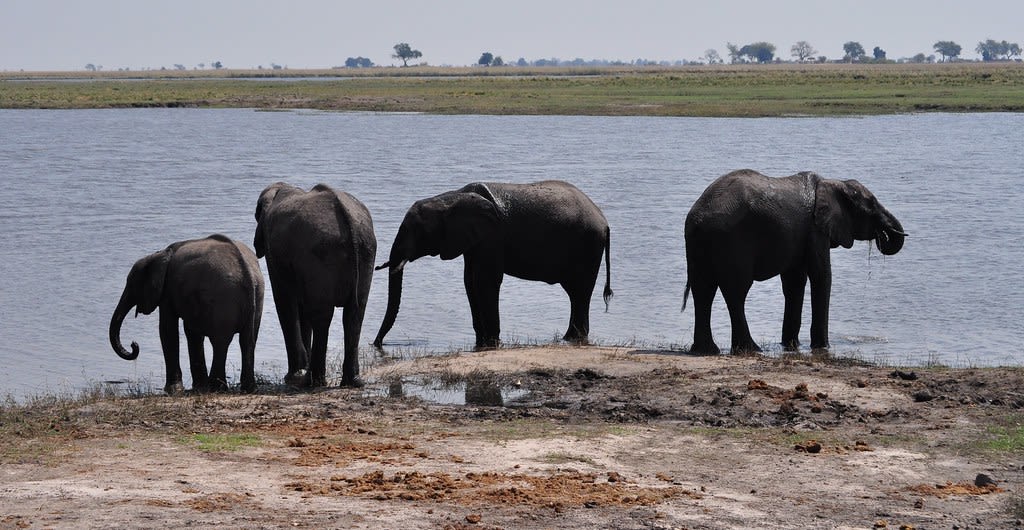
Overview
On Independence Day, a controversial banquet in Botswana featured elephant meat served to officials and guests, sparking outrage across India and the global conservation community. The episode coincided with the government’s approval of a 23‑elephant hunting permit, igniting a firestorm on social media and propelling the term “ఏనుగు” (elephant) to the top of Google Trends in India.
Why the Story Went Viral
- Cultural shock: The idea of consuming elephant meat is taboo in many societies, especially given the animal’s iconic status.
- Timing: The event was staged on a national holiday, amplifying media coverage.
- Cross‑border empathy: Indian wildlife lovers and animal‑rights groups rallied online, using the trending hashtag #ElephantBan.
- Visuals: Graphic images of the banquet and hunting permits circulated widely, driving clicks and shares.
 Botswana wildlife officials
Background: Elephant Conservation & Botswana Policies
Botswana has long been praised for its robust wildlife protection laws, yet it also maintains a regulated hunting industry that contributes to tourism revenue. The recent permit, granted by the Department of Wildlife and National Parks, cites “controlled culling” to manage herd sizes and mitigate human‑elephant conflict. Critics argue that:
- Population data is outdated, risking over‑harvest.
- International conventions such as CITES prohibit trade in elephant parts, and serving meat could be interpreted as a breach.
- Cultural heritage: Elephants hold spiritual significance for many African communities, and the decision undermines local traditions.
"Elephants are not a commodity. Their slaughter for a celebratory feast is a stark reminder that economic incentives still outweigh ethical stewardship," – Dr. Naledi Mokoena, Botswana Wildlife Trust.
Legal & Ethical Fallout
- Domestic response: Opposition parties demanded a parliamentary inquiry, labeling the move as “political theatre at the expense of biodiversity.”
- International reaction: NGOs like WWF and the International Fund for Animal Welfare issued statements condemning the hunt and called for a boycott of Botswana’s tourism packages.
- Legal challenges: Several wildlife NGOs have filed a petition in Botswana’s High Court, seeking a suspension of the hunting license pending a comprehensive ecological impact assessment.
Future Implications
- Policy revision: The controversy may force the government to re‑evaluate its hunting quotas and adopt stricter monitoring mechanisms.
- Tourism impact: Eco‑tourism operators could lose clientele if the perception of Botswana as a wildlife sanctuary erodes.
- Regional precedent: Neighboring countries observing the backlash might tighten their own wildlife protection statutes to avoid similar fallout.
- Digital activism: The rapid rise of the term “ఏనుగు” on Google Trends illustrates how online platforms amplify local issues globally, shaping policy discourse.
Key Takeaways
- The 23‑elephant hunting permit and the banquet have triggered a multi‑national debate on wildlife ethics.
- Public sentiment is shifting towards zero‑tolerance for the consumption of protected species.
- Policy makers must balance economic interests with sustainable conservation to retain global credibility.
Stay tuned for updates on the legal proceedings and the broader conversation around wildlife protection in Southern Africa.
Original Reporting & Source: Google Trends (India)

Discussion (0)
Sign in to join the discussion.
No comments yet. Be the first to start the conversation!