Umang Sisodia • • 3 min read • 1 view

India’s ‘Cockroach’ Movement Rallies Over Voter Roll Overhaul – Why the Protests Are Trending
India’s ‘Cockroach’ Movement Rallies Over Voter Roll Overhaul – Why the Protests Are Trending

The Surge of the "Cockroach" Movement

In the last week, a wave of street‑level protests has swept across major Indian cities, thrusting the little‑known "Cockroach" movement into the national spotlight. The term, coined by activist Abhijeet Dipke, refers to the party’s self‑described resilience – a tiny creature that survives against all odds. The movement erupted after the Election Commission announced a drastic revamp of the voter roll, prompting fears of disenfranchisement for millions of low‑income and migrant voters.

What Sparked the Protests?

  • The Election Commission’s draft guidelines propose removing inactive voters based on a three‑year non‑participation rule.
  • Critics argue the criteria are biased toward urban, affluent constituencies where voter turnout is traditionally higher.
  • The timing coincides with the upcoming 2024 general elections, raising suspicions of political engineering.

The Guardian’s front‑page story titled "India’s Cockroach movement launches new protests over changes to voter roll" amplified the issue, while The Hindu highlighted Dipke’s warning: "If Gyanesh Kumar goes, Modi will have to follow suit" – a direct challenge to the Chief Election Commissioner.

The Voter Roll Controversy

India’s electoral rolls, the world’s largest, are a living document that must balance accuracy with inclusivity. The proposed changes aim to purge duplicate or dead entries, a legitimate administrative goal. However, the lack of transparent criteria and insufficient public consultation have ignited distrust.

  • Data gaps: Rural and migrant workers often lack permanent addresses, making them vulnerable to removal.
  • Political stakes: Removing certain voter blocks could tilt marginal constituencies, potentially influencing the Modi‑led BJP’s prospects.
  • Legal challenges: Several civil‑society groups have filed Public Interest Litigations demanding a halt until an independent audit is conducted.
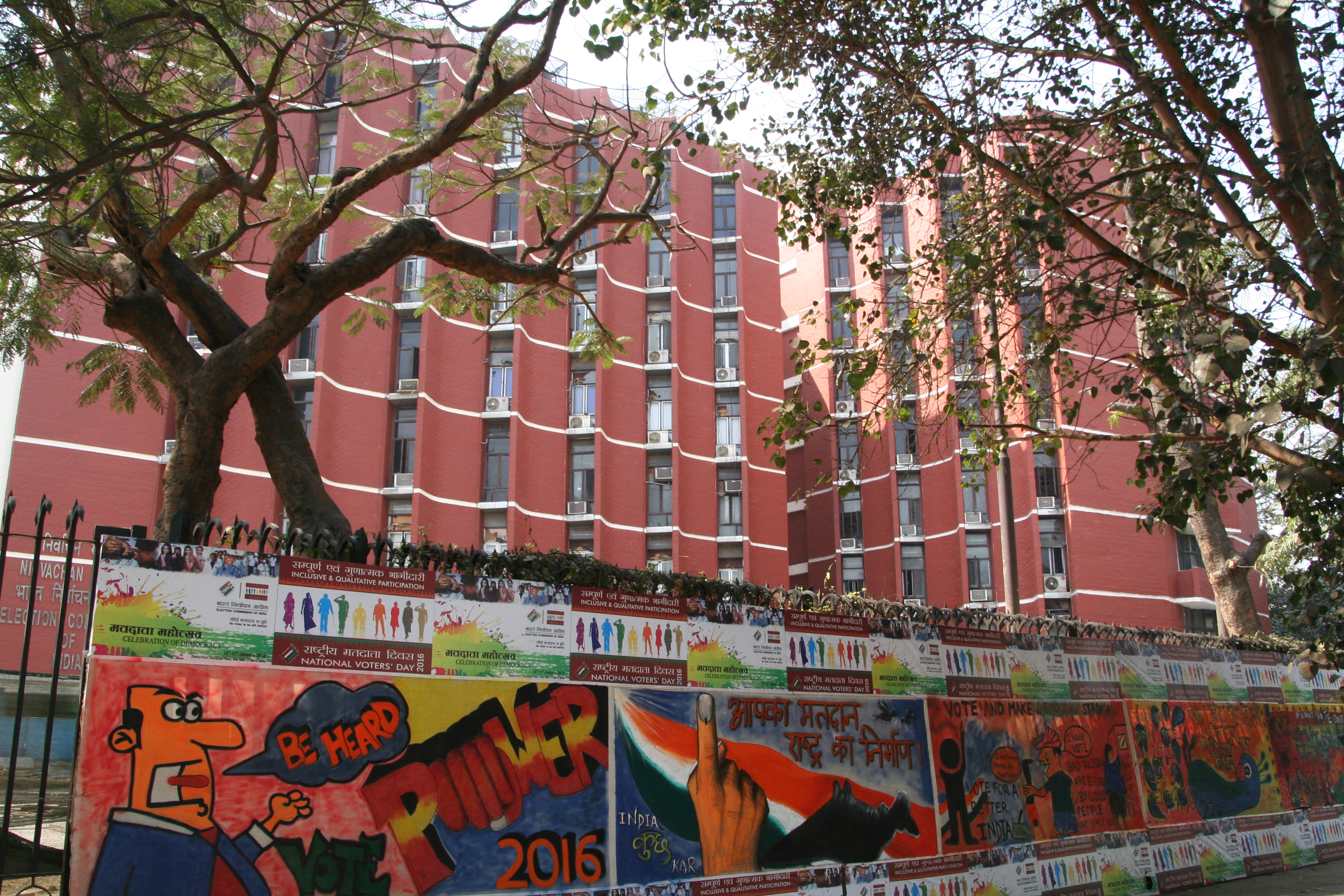
Delhi Election Commission building Delhi Election Commission building

Political Ripples

The protests have forced the Election Commission into a defensive posture. In a televised press briefing, CEC Gyanesh Kumar defended the reforms as “necessary for electoral integrity,” while Dipke retorted with a sharp jab:

"Did we ask you to sell tea?" – Abhijeet Dipke, addressing the Prime Minister and the Election Commission, underscoring the perception that the changes benefit the ruling elite.

Voices from the Frontline

  • Abhijeet Dipke (movement founder): "We are the cockroaches that will survive any purge. Our fight is for every voter who cannot afford to be invisible."
  • Local voter (Delhi slum): "If my name disappears, I lose my voice. The government must hear us before the polls."
  • Election analyst, Dr. Meera Singh: "The real test will be whether the Commission can reconcile clean‑up with inclusivity without appearing partisan."

Looking Ahead

Potential Reforms

  • Independent audit of the proposed roll changes before implementation.
  • Extended verification window for voters flagged as inactive, coupled with mobile registration drives in migrant hubs.
  • Judicial oversight to ensure any removals meet constitutional guarantees of universal adult suffrage.

Impact on Indian Democracy

If the movement sustains momentum, it could redefine citizen‑state engagement ahead of the elections. A successful pushback might compel the Election Commission to re‑evaluate its methodology, setting a precedent for greater transparency in electoral administration. Conversely, a crackdown could intensify civic unrest, potentially polarizing an already charged political climate.

The "Cockroach" movement, once a fringe collective, now stands at the crossroads of democratic participation and institutional reform. Its trajectory will likely shape not only the 2024 electoral landscape but also the broader narrative of grass‑roots activism in India.


Original Reporting & Source: Google Trends (India)

Discussion (0)

Sign in to join the discussion.

No comments yet. Be the first to start the conversation!

| |

India’s ‘Cockroach’ Movement Rallies Over Voter Roll Overhaul – Why the Protests Are Trending

By Umang Sisodia • 3 min read • 1 view

The Surge of the "Cockroach" Movement

In the last week, a wave of street‑level protests has swept across major Indian cities, thrusting the little‑known "Cockroach" movement into the national spotlight. The term, coined by activist Abhijeet Dipke, refers to the party’s self‑described resilience – a tiny creature that survives against all odds. The movement erupted after the Election Commission announced a drastic revamp of the voter roll, prompting fears of disenfranchisement for millions of low‑income and migrant voters.

What Sparked the Protests?

  • The Election Commission’s draft guidelines propose removing inactive voters based on a three‑year non‑participation rule.
  • Critics argue the criteria are biased toward urban, affluent constituencies where voter turnout is traditionally higher.
  • The timing coincides with the upcoming 2024 general elections, raising suspicions of political engineering.

The Guardian’s front‑page story titled "India’s Cockroach movement launches new protests over changes to voter roll" amplified the issue, while The Hindu highlighted Dipke’s warning: "If Gyanesh Kumar goes, Modi will have to follow suit" – a direct challenge to the Chief Election Commissioner.

The Voter Roll Controversy

India’s electoral rolls, the world’s largest, are a living document that must balance accuracy with inclusivity. The proposed changes aim to purge duplicate or dead entries, a legitimate administrative goal. However, the lack of transparent criteria and insufficient public consultation have ignited distrust.

  • Data gaps: Rural and migrant workers often lack permanent addresses, making them vulnerable to removal.
  • Political stakes: Removing certain voter blocks could tilt marginal constituencies, potentially influencing the Modi‑led BJP’s prospects.
  • Legal challenges: Several civil‑society groups have filed Public Interest Litigations demanding a halt until an independent audit is conducted.

Delhi Election Commission building Delhi Election Commission building

Political Ripples

The protests have forced the Election Commission into a defensive posture. In a televised press briefing, CEC Gyanesh Kumar defended the reforms as “necessary for electoral integrity,” while Dipke retorted with a sharp jab:

"Did we ask you to sell tea?" – Abhijeet Dipke, addressing the Prime Minister and the Election Commission, underscoring the perception that the changes benefit the ruling elite.

Voices from the Frontline

  • Abhijeet Dipke (movement founder): "We are the cockroaches that will survive any purge. Our fight is for every voter who cannot afford to be invisible."
  • Local voter (Delhi slum): "If my name disappears, I lose my voice. The government must hear us before the polls."
  • Election analyst, Dr. Meera Singh: "The real test will be whether the Commission can reconcile clean‑up with inclusivity without appearing partisan."

Looking Ahead

Potential Reforms

  • Independent audit of the proposed roll changes before implementation.
  • Extended verification window for voters flagged as inactive, coupled with mobile registration drives in migrant hubs.
  • Judicial oversight to ensure any removals meet constitutional guarantees of universal adult suffrage.

Impact on Indian Democracy

If the movement sustains momentum, it could redefine citizen‑state engagement ahead of the elections. A successful pushback might compel the Election Commission to re‑evaluate its methodology, setting a precedent for greater transparency in electoral administration. Conversely, a crackdown could intensify civic unrest, potentially polarizing an already charged political climate.

The "Cockroach" movement, once a fringe collective, now stands at the crossroads of democratic participation and institutional reform. Its trajectory will likely shape not only the 2024 electoral landscape but also the broader narrative of grass‑roots activism in India.


Original Reporting & Source: Google Trends (India)