Umang Sisodia • • 3 min read • 1 view
Rajasthan Announces Panchayat Polls in Four Phases Starting Oct 23 – What It Means for Rural India

Rajasthan Sets Panchayat Poll Calendar
The Rajasthan State Election Commission has officially released the schedule for the upcoming Panchayat elections, declaring four voting phases that will commence on October 23, 2026. The phases are spread across the state’s 33 districts, with each phase covering a specific set of blocks to ensure smooth logistics and security.
Phased Voting Schedule
| Phase | Dates | Number of Panchayats |
|---|---|---|
| 1 | Oct 23‑Oct 28 | 5,200 |
| 2 | Oct 29‑Nov 3 | 5,150 |
| 3 | Nov 4‑Nov 9 | 5,300 |
| 4 | Nov 10‑Nov 15 | 5,250 |
The staggered approach mirrors the 2021 and 2022 state assembly elections, allowing the administration to deploy security forces, polling staff, and e‑voting equipment efficiently.
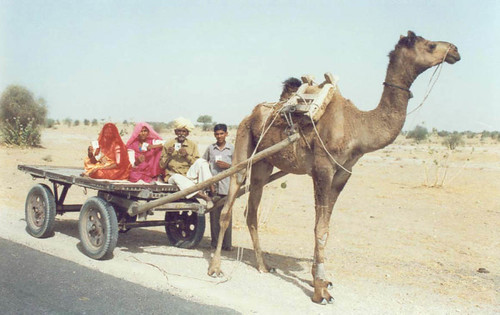 Rajasthan village panchayat meeting
Why the Announcement Is Trending
The news has surged on Google Trends and social media for several reasons:
- Timing: The schedule overlaps with the national election calendar, prompting speculation about voter fatigue and strategic alliances.
- Political Stakes: Both the ruling BJP and opposition Congress view Panchayat bodies as grassroots power brokers that can influence future state and national contests.
- Digital Push: The Election Commission has pledged to use mobile‑based voter verification in over 2,000 booths, a first for rural Rajasthan.
"Panchayat elections are the heartbeat of democracy in Rajasthan. They empower villages and shape the narrative for larger political battles," – Chief Minister Ashok Gehlot.
Historical Context of Panchayat Elections
Panchayat institutions were constitutionally enshrined in 1992 through the 73rd Amendment, granting them devolved powers over local development, water, and sanitation. Rajasthan, with its vast desert terrain and agrarian pockets, has historically leveraged Panchayats to implement MGNREGA projects and rural electrification.
- 1995‑2000: First wave of modern Panchayat elections after the amendment.
- 2008‑2013: Introduction of women’s reservation (33%) at the Sarpanch level, boosting female leadership.
- 2020‑2022: Push for digital record‑keeping and online grievance redressal.
Potential Impact on Rural Governance
The upcoming polls could reshape the rural power matrix in several ways:
- Policy Alignment: Parties may promise water‑security schemes and farm‑loan waivers, directly influencing village-level implementation.
- Leadership Pipeline: Successful Sarpanches often ascend to state legislative assemblies, making these elections a talent incubator.
- Social Cohesion: With reserved seats for Scheduled Castes, Scheduled Tribes, and women, the elections serve as a barometer for social inclusion.
What Voters Can Expect
- Enhanced Security: Deployment of central paramilitary forces in sensitive districts.
- Technology Integration: Introduction of biometric verification and real‑time result transmission.
- Awareness Campaigns: The state will launch a "Vote for Development" drive across radio, TV, and social platforms.
Key Takeaways
- Rajasthan’s Panchayat polls will be conducted in four phases starting Oct 23.
- The phased schedule aims to optimize logistics and security.
- The elections are a litmus test for both ruling and opposition parties ahead of the 2027 state assembly polls.
- Digital tools and women’s reservation remain central themes, reflecting broader national trends.
By the time the final phase concludes in mid‑November, Rajasthan will have refreshed the grassroots leadership of over 20,000 villages, setting the tone for the state’s political trajectory over the next five years.
Original Reporting & Source: India Today Top Stories

Discussion (0)
Sign in to join the discussion.
No comments yet. Be the first to start the conversation!