Umang Sisodia • • 3 min read • 1 view

Nainital’s 35,000‑Vehicle Rush Triggers SSP’s Evening Climb Ban
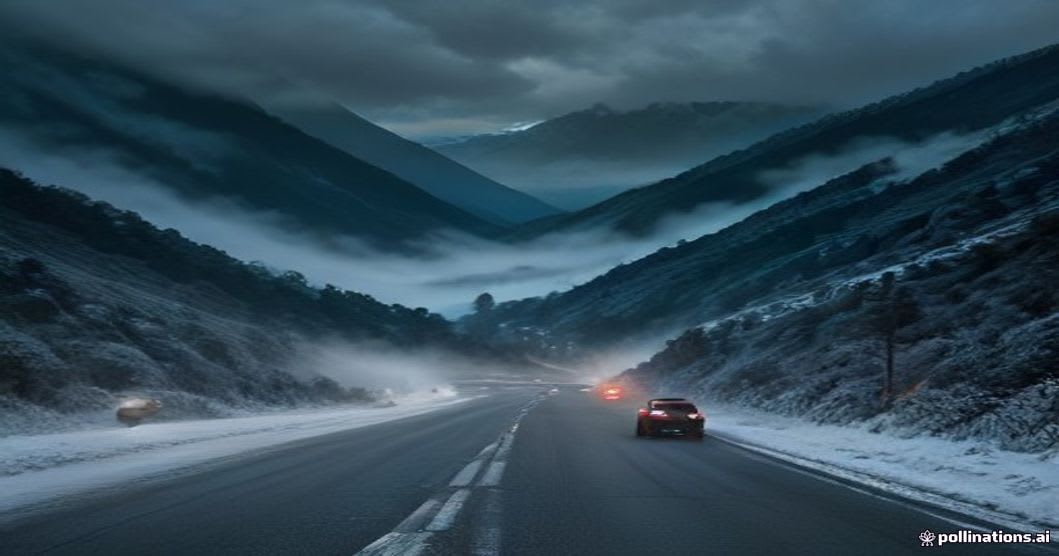
Nainital’s 35,000‑Vehicle Rush Triggers SSP’s Evening Climb Ban

Nainital’s Tourist Surge

The tranquil hill station of Nainital has transformed into a moving metropolis this weekend. Over 35,000 vehicles—cars, buses, two‑wheelers—have surged up the winding mountain roads, creating a traffic jam that stretches from the lakefront to the hilltop. The sudden influx has not only clogged the iconic Mall Road but also raised serious safety concerns for locals and tourists alike.

The Unprecedented Vehicle Influx

  • 35,000+ cars recorded by traffic police within a 12‑hour window.
  • Peaks between 12 pm and 4 pm, when most tourists attempt the final climb to the summit.
  • Road width reduced to a single lane in several sections, forcing drivers into a stop‑and‑go pattern.
  • Emergency services struggled to reach accident sites due to blocked access.

"We have never seen such a concentration of private vehicles on the mountain roads. The situation is untenable and demands immediate action," said a senior traffic officer during a press briefing.

SSP’s Decisive Move

In response, the Senior Superintendent of Police (SSP) of Nainital, Mr. Rajesh Kumar, announced a strict directive: no ascent beyond 4 pm. The order, broadcast via local radio and posted on police social media handles, mandates that all vehicles attempting to climb the hill after 4 pm will be turned back at the base.

Key points of the order:

  1. Roadblocks set up at the Bhimtal‑Nainital junction to enforce the curfew.
  2. Fines of up to ₹5,000 for violators.
  3. Patrol units deployed on the mountain road to guide stranded tourists to safe parking zones.
  4. Emergency helplines activated for medical and mechanical assistance.

Implications for Safety & Environment

The SSP’s evening‑climb ban aims to curb two major risks:

  • Accidents: Narrow roads, steep gradients, and reduced visibility after dusk increase the likelihood of collisions. In the past month, seven major accidents were reported on the same stretch, resulting in 12 injuries.
  • Environmental strain: The surge in vehicles leads to higher emissions, noise pollution, and littering, threatening the fragile alpine ecosystem surrounding Nainital Lake.

Economic Upside vs Strain

While tourism is the lifeblood of Nainital’s economy—contributing ≈ ₹1,200 crore annually—the current overload threatens long‑term sustainability.

  • Local businesses (hotels, eateries, souvenir shops) report a 30 % revenue spike this week.
  • Conversely, resident complaints about traffic, waste, and water contamination have risen sharply on social media platforms.

Looking Ahead: Sustainable Tourism

Experts suggest a multi‑pronged strategy to balance growth with preservation:

  • Timed entry tickets for hill‑top attractions to spread visitor flow.
  • Shuttle services from the lakefront to the summit, reducing private vehicle dependence.
  • Real‑time traffic dashboards accessible via a dedicated mobile app.
  • Strict waste‑management protocols enforced by the municipal corporation.

"A proactive, data‑driven approach will ensure Nainital remains a safe and pristine destination for generations," says Dr. Anjali Mehta, a tourism policy analyst at the Indian Institute of Tourism Studies.

Key Takeaways

  • 35,000+ vehicles congested Nainital’s mountain roads, prompting an emergency SSP order.
  • Climb ban after 4 pm enforced through roadblocks, fines, and patrols.
  • The move targets road safety and environmental protection, while stakeholders debate economic impacts.
  • Long‑term solutions focus on regulated visitor flow, public transport, and technology‑enabled traffic management.

The coming weeks will reveal whether Nainital can transform this crisis into a blueprint for sustainable hill‑station tourism across India.


Original Reporting & Source: India Today Top Stories

Discussion (0)

Sign in to join the discussion.

No comments yet. Be the first to start the conversation!

| |

Nainital’s 35,000‑Vehicle Rush Triggers SSP’s Evening Climb Ban

By Umang Sisodia • 3 min read • 1 view

Nainital’s Tourist Surge

The tranquil hill station of Nainital has transformed into a moving metropolis this weekend. Over 35,000 vehicles—cars, buses, two‑wheelers—have surged up the winding mountain roads, creating a traffic jam that stretches from the lakefront to the hilltop. The sudden influx has not only clogged the iconic Mall Road but also raised serious safety concerns for locals and tourists alike.

The Unprecedented Vehicle Influx

  • 35,000+ cars recorded by traffic police within a 12‑hour window.
  • Peaks between 12 pm and 4 pm, when most tourists attempt the final climb to the summit.
  • Road width reduced to a single lane in several sections, forcing drivers into a stop‑and‑go pattern.
  • Emergency services struggled to reach accident sites due to blocked access.

"We have never seen such a concentration of private vehicles on the mountain roads. The situation is untenable and demands immediate action," said a senior traffic officer during a press briefing.

SSP’s Decisive Move

In response, the Senior Superintendent of Police (SSP) of Nainital, Mr. Rajesh Kumar, announced a strict directive: no ascent beyond 4 pm. The order, broadcast via local radio and posted on police social media handles, mandates that all vehicles attempting to climb the hill after 4 pm will be turned back at the base.

Key points of the order:

  1. Roadblocks set up at the Bhimtal‑Nainital junction to enforce the curfew.
  2. Fines of up to ₹5,000 for violators.
  3. Patrol units deployed on the mountain road to guide stranded tourists to safe parking zones.
  4. Emergency helplines activated for medical and mechanical assistance.

Implications for Safety & Environment

The SSP’s evening‑climb ban aims to curb two major risks:

  • Accidents: Narrow roads, steep gradients, and reduced visibility after dusk increase the likelihood of collisions. In the past month, seven major accidents were reported on the same stretch, resulting in 12 injuries.
  • Environmental strain: The surge in vehicles leads to higher emissions, noise pollution, and littering, threatening the fragile alpine ecosystem surrounding Nainital Lake.

Economic Upside vs Strain

While tourism is the lifeblood of Nainital’s economy—contributing ≈ ₹1,200 crore annually—the current overload threatens long‑term sustainability.

  • Local businesses (hotels, eateries, souvenir shops) report a 30 % revenue spike this week.
  • Conversely, resident complaints about traffic, waste, and water contamination have risen sharply on social media platforms.

Looking Ahead: Sustainable Tourism

Experts suggest a multi‑pronged strategy to balance growth with preservation:

  • Timed entry tickets for hill‑top attractions to spread visitor flow.
  • Shuttle services from the lakefront to the summit, reducing private vehicle dependence.
  • Real‑time traffic dashboards accessible via a dedicated mobile app.
  • Strict waste‑management protocols enforced by the municipal corporation.

"A proactive, data‑driven approach will ensure Nainital remains a safe and pristine destination for generations," says Dr. Anjali Mehta, a tourism policy analyst at the Indian Institute of Tourism Studies.

Key Takeaways

  • 35,000+ vehicles congested Nainital’s mountain roads, prompting an emergency SSP order.
  • Climb ban after 4 pm enforced through roadblocks, fines, and patrols.
  • The move targets road safety and environmental protection, while stakeholders debate economic impacts.
  • Long‑term solutions focus on regulated visitor flow, public transport, and technology‑enabled traffic management.

The coming weeks will reveal whether Nainital can transform this crisis into a blueprint for sustainable hill‑station tourism across India.


Original Reporting & Source: India Today Top Stories