Umang Sisodia • • 3 min read • 1 view

India and Pakistan Summon Diplomats After Fatal Border Clash: Implications for Regional Security
India and Pakistan Summon Diplomats After Fatal Border Clash: Implications for Regional Security

The Incident in Focus

On Monday, two men were shot dead near the India‑Pakistan border in Punjab’s Ferozepur district after a confrontation between the Border Security Force (BSF) and individuals suspected of crossing from Pakistan. Both governments reacted swiftly: India summoned the Pakistani deputy high commissioner in New Delhi, while Pakistan recalled its deputy high commissioner from New Delhi, demanding an explanation.

The BSF reported that the two men attempted an illegal infiltration and opened fire, prompting the soldiers to return fire. Pakistani officials, however, labelled the victims as civilians and accused the Indian forces of an unprovoked shooting. The incident has reignited long‑standing accusations of cross‑border infiltration and heightened diplomatic tensions.


Why the Story Is Trending

  • Live updates on social media: Video clips and on‑the‑ground footage circulated on Twitter and Instagram within minutes, driving massive engagement.
  • Geopolitical stakes: Any border clash between the nuclear‑armed neighbours instantly captures global attention, especially amid ongoing peace‑building talks.
  • Human‑interest angle: Families of the deceased have been vocal, demanding justice and transparency, which resonates with audiences.

"The loss of life is tragic, and we expect a thorough, transparent inquiry," said a senior Indian official in a press briefing.

The combination of immediate visual content, geopolitical relevance, and human drama explains the surge on Google Trends and its prominence across news wires.

border clash aftermath Punjab border clash aftermath Punjab

Historical Context of India‑Pakistan Border Tensions

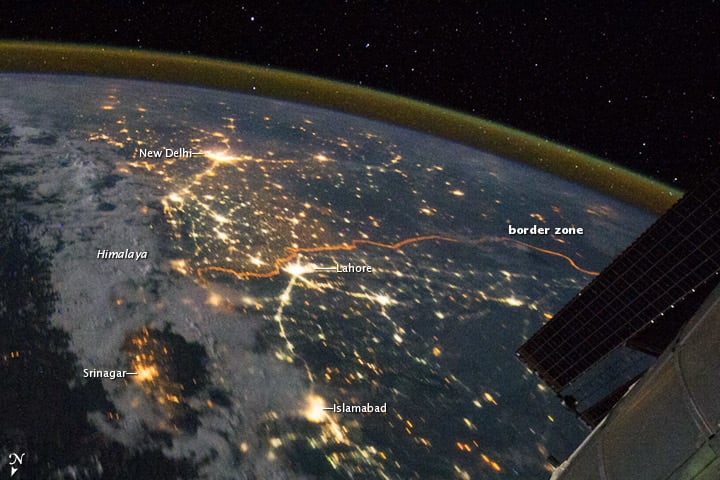
Since the 1947 partition, the 3,323‑km border—often referred to as the Radcliffe Line—has been a flashpoint. Key episodes include:

  • 1971 war leading to Bangladesh’s creation.
  • 1999 Kargil conflict.
  • 2001‑2002 standoff after the attack on the Indian Parliament.

Both nations maintain heavily fortified sections, especially at the Wagah‑Attari crossing, with parallel fences, watchtowers, and frequent patrols. In recent years, cross‑border infiltration—primarily for militant activities—has been a recurring concern, prompting both sides to tighten security measures.

Diplomatic Repercussions

The diplomatic tit‑for‑tat is unfolding on multiple fronts:

  1. Summoning of diplomats: India’s Ministry of External Affairs called in Pakistan’s deputy high commissioner; Pakistan’s Ministry of Foreign Affairs did the same in New Delhi.
  2. Parliamentary debates: Both nations’ legislators are demanding answers, with opposition parties leveraging the incident for political mileage.
  3. Potential escalation: While neither side has indicated a desire for further military action, the rhetoric has intensified, raising the risk of miscalculations.

Potential Fallout and Future Scenarios

  • Increased border patrols: Expect a surge in BSF and Pakistani Rangers deployments, potentially restricting civilian movement in border villages.
  • International mediation: Countries like the United States and organizations such as the South Asian Association for Regional Cooperation (SAARC) may offer to mediate to prevent escalation.
  • Impact on trade: The Indo‑Pakistani trade corridor could face temporary disruptions, affecting cross‑border commerce worth billions of dollars.
  • Humanitarian concerns: Families on both sides may face prolonged legal battles and compensation disputes.

Key Takeaways

  • The incident underscores the fragile nature of India‑Pakistan relations, where a single skirmish can ripple across diplomatic, economic, and security domains.
  • Media amplification plays a crucial role in shaping public perception and government responses.
  • Long‑term stability will depend on sustained dialogue, confidence‑building measures, and mechanisms to investigate and address cross‑border incidents transparently.

The world will be watching how New Delhi and Islamabad navigate this crisis, balancing national security imperatives with the urgent need to prevent further loss of life.


Original Reporting & Source: Al Jazeera

Discussion (0)

Sign in to join the discussion.

No comments yet. Be the first to start the conversation!

| |

India and Pakistan Summon Diplomats After Fatal Border Clash: Implications for Regional Security

By Umang Sisodia • 3 min read • 1 view

The Incident in Focus

On Monday, two men were shot dead near the India‑Pakistan border in Punjab’s Ferozepur district after a confrontation between the Border Security Force (BSF) and individuals suspected of crossing from Pakistan. Both governments reacted swiftly: India summoned the Pakistani deputy high commissioner in New Delhi, while Pakistan recalled its deputy high commissioner from New Delhi, demanding an explanation.

The BSF reported that the two men attempted an illegal infiltration and opened fire, prompting the soldiers to return fire. Pakistani officials, however, labelled the victims as civilians and accused the Indian forces of an unprovoked shooting. The incident has reignited long‑standing accusations of cross‑border infiltration and heightened diplomatic tensions.


Why the Story Is Trending

  • Live updates on social media: Video clips and on‑the‑ground footage circulated on Twitter and Instagram within minutes, driving massive engagement.
  • Geopolitical stakes: Any border clash between the nuclear‑armed neighbours instantly captures global attention, especially amid ongoing peace‑building talks.
  • Human‑interest angle: Families of the deceased have been vocal, demanding justice and transparency, which resonates with audiences.

"The loss of life is tragic, and we expect a thorough, transparent inquiry," said a senior Indian official in a press briefing.

The combination of immediate visual content, geopolitical relevance, and human drama explains the surge on Google Trends and its prominence across news wires.

border clash aftermath Punjab border clash aftermath Punjab

Historical Context of India‑Pakistan Border Tensions

Since the 1947 partition, the 3,323‑km border—often referred to as the Radcliffe Line—has been a flashpoint. Key episodes include:

  • 1971 war leading to Bangladesh’s creation.
  • 1999 Kargil conflict.
  • 2001‑2002 standoff after the attack on the Indian Parliament.

Both nations maintain heavily fortified sections, especially at the Wagah‑Attari crossing, with parallel fences, watchtowers, and frequent patrols. In recent years, cross‑border infiltration—primarily for militant activities—has been a recurring concern, prompting both sides to tighten security measures.

Diplomatic Repercussions

The diplomatic tit‑for‑tat is unfolding on multiple fronts:

  1. Summoning of diplomats: India’s Ministry of External Affairs called in Pakistan’s deputy high commissioner; Pakistan’s Ministry of Foreign Affairs did the same in New Delhi.
  2. Parliamentary debates: Both nations’ legislators are demanding answers, with opposition parties leveraging the incident for political mileage.
  3. Potential escalation: While neither side has indicated a desire for further military action, the rhetoric has intensified, raising the risk of miscalculations.

Potential Fallout and Future Scenarios

  • Increased border patrols: Expect a surge in BSF and Pakistani Rangers deployments, potentially restricting civilian movement in border villages.
  • International mediation: Countries like the United States and organizations such as the South Asian Association for Regional Cooperation (SAARC) may offer to mediate to prevent escalation.
  • Impact on trade: The Indo‑Pakistani trade corridor could face temporary disruptions, affecting cross‑border commerce worth billions of dollars.
  • Humanitarian concerns: Families on both sides may face prolonged legal battles and compensation disputes.

Key Takeaways

  • The incident underscores the fragile nature of India‑Pakistan relations, where a single skirmish can ripple across diplomatic, economic, and security domains.
  • Media amplification plays a crucial role in shaping public perception and government responses.
  • Long‑term stability will depend on sustained dialogue, confidence‑building measures, and mechanisms to investigate and address cross‑border incidents transparently.

The world will be watching how New Delhi and Islamabad navigate this crisis, balancing national security imperatives with the urgent need to prevent further loss of life.


Original Reporting & Source: Al Jazeera