Umang Sisodia • • 3 min read • 1 view

Hyderabad’s Weather Whiplash: Scorching Day Turns Into Nighttime Downpour
Hyderabad’s Weather Whiplash: Scorching Day Turns Into Nighttime Downpour

Hyderabad’s Weather Whiplash: From Scorching Day to Torrential Night

The Day’s Searing Heat

On April 30, 2024, Hyderabad awoke under a blistering sun that pushed temperatures beyond 38 °C in many parts of the city. Residents described the heat as “unbearable” and “like an oven in the sky.” Power consumption spiked, air‑conditioners ran nonstop, and the city’s water‑storage tanks were already under pressure from the preceding dry spell.

Nightfall Deluge

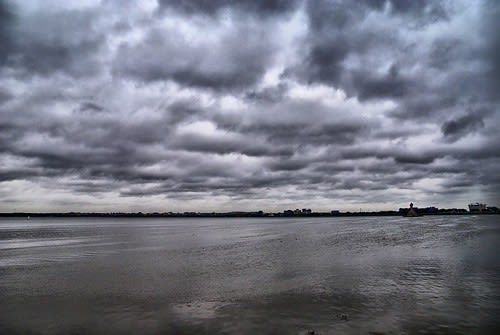
Just as the city was grappling with the heat, meteorological services issued a sudden alert for heavy rain in the western districts. By 8 pm, clouds gathered over Hussain Sagar and the sky opened up, dumping 30‑plus millimetres of rain within a couple of hours. Streets in Kukatpally, Miyapur, and Gachibowli turned into shallow rivers, traffic snarls stretched for kilometres, and local authorities declared “emergency response” for flood‑prone zones. The rapid shift sparked a flurry of searches on Google, with the keyword “Hyderabad” crossing the 1,000‑search threshold on Google Trends India.

“We have issued an immediate advisory for residents to stay indoors and avoid low‑lying areas. Rescue teams are on standby,” – Hyderabad Metropolitan Police spokesperson.

Why the Trend Is Blazing on Google

The phrase “పగలు ఉక్కపోత.. రాత్రి వర్షం” ("Daytime heat, nighttime rain") trended across Telugu‑speaking netizens for three main reasons:

  • Real‑time panic: Sudden weather flips trigger urgent information‑seeking behaviour—people look up safety measures, traffic updates, and relief centres.
  • Media amplification: Headlines from Namasthe Telangana, Disha Daily, and OneIndia Telugu highlighted the chaos, driving further clicks.
  • Social media virality: Short video clips of water‑logged streets and frantic commuters circulated widely on platforms like Instagram Reels and X, amplifying the search volume.

Historical Context & Climate Signals

Hyderabad’s climate traditionally swings between a hot summer and a monsoon‑driven rainy season starting in June. However, climate models now indicate an increasing frequency of pre‑monsoon thunderstorms caused by:

  • Elevated sea‑surface temperatures in the Bay of Bengal, feeding more moisture northward.
  • Urban heat island effect, where concrete‑laden neighborhoods exacerbate temperature extremes, leading to rapid atmospheric instability.
  • Changing jet‑stream patterns, which can usher in abrupt rain showers even during the dry months.

These factors suggest that Hyderabad may experience more erratic weather spikes in the coming years, challenging existing infrastructure.

Immediate Impact on the City

  • Traffic paralysis: Major arteries like NH‑65 and Inner Ring Road faced gridlock; public buses were rerouted.
  • Power disruptions: Over 5,000 households reported short‑term outages due to water‑logged transformers.
  • Public safety concerns: Local NGOs set up temporary shelters near schools and community halls for stranded commuters.
  • Economic loss: Preliminary estimates put ₹120 crore in damages to small businesses and vehicle repairs.

Looking Ahead: Preparedness and Policy

The Hyderabad Municipal Corporation (HMC) has pledged to:

  1. Upgrade drainage systems in flood‑prone zones, prioritising smart sensors for real‑time water‑level monitoring.
  2. Launch a city‑wide early‑warning app that pushes alerts in multiple languages, including Telugu.
  3. Promote green corridors to mitigate the urban heat island effect, planting native trees along arterial roads.
  4. Coordinate with the Indian Meteorological Department for more granular, hyper‑local forecasts.

In the long term, experts urge a holistic climate‑resilience strategy, integrating urban planning, public awareness campaigns, and investment in climate‑adaptive infrastructure. As Hyderabad continues to grow, its ability to respond swiftly to such weather whiplash will be a litmus test for other Indian metros facing similar challenges.

Stay informed, stay safe, and keep an eye on the sky—Hyderabad’s weather narrative is evolving, and so should our preparedness.


Original Reporting & Source: Google Trends (India)

Discussion (0)

Sign in to join the discussion.

No comments yet. Be the first to start the conversation!

| |

Hyderabad’s Weather Whiplash: Scorching Day Turns Into Nighttime Downpour

By Umang Sisodia • 3 min read • 1 view

Hyderabad’s Weather Whiplash: From Scorching Day to Torrential Night

The Day’s Searing Heat

On April 30, 2024, Hyderabad awoke under a blistering sun that pushed temperatures beyond 38 °C in many parts of the city. Residents described the heat as “unbearable” and “like an oven in the sky.” Power consumption spiked, air‑conditioners ran nonstop, and the city’s water‑storage tanks were already under pressure from the preceding dry spell.

Nightfall Deluge

Just as the city was grappling with the heat, meteorological services issued a sudden alert for heavy rain in the western districts. By 8 pm, clouds gathered over Hussain Sagar and the sky opened up, dumping 30‑plus millimetres of rain within a couple of hours. Streets in Kukatpally, Miyapur, and Gachibowli turned into shallow rivers, traffic snarls stretched for kilometres, and local authorities declared “emergency response” for flood‑prone zones. The rapid shift sparked a flurry of searches on Google, with the keyword “Hyderabad” crossing the 1,000‑search threshold on Google Trends India.

“We have issued an immediate advisory for residents to stay indoors and avoid low‑lying areas. Rescue teams are on standby,” – Hyderabad Metropolitan Police spokesperson.

Why the Trend Is Blazing on Google

The phrase “పగలు ఉక్కపోత.. రాత్రి వర్షం” ("Daytime heat, nighttime rain") trended across Telugu‑speaking netizens for three main reasons:

  • Real‑time panic: Sudden weather flips trigger urgent information‑seeking behaviour—people look up safety measures, traffic updates, and relief centres.
  • Media amplification: Headlines from Namasthe Telangana, Disha Daily, and OneIndia Telugu highlighted the chaos, driving further clicks.
  • Social media virality: Short video clips of water‑logged streets and frantic commuters circulated widely on platforms like Instagram Reels and X, amplifying the search volume.

Historical Context & Climate Signals

Hyderabad’s climate traditionally swings between a hot summer and a monsoon‑driven rainy season starting in June. However, climate models now indicate an increasing frequency of pre‑monsoon thunderstorms caused by:

  • Elevated sea‑surface temperatures in the Bay of Bengal, feeding more moisture northward.
  • Urban heat island effect, where concrete‑laden neighborhoods exacerbate temperature extremes, leading to rapid atmospheric instability.
  • Changing jet‑stream patterns, which can usher in abrupt rain showers even during the dry months.

These factors suggest that Hyderabad may experience more erratic weather spikes in the coming years, challenging existing infrastructure.

Immediate Impact on the City

  • Traffic paralysis: Major arteries like NH‑65 and Inner Ring Road faced gridlock; public buses were rerouted.
  • Power disruptions: Over 5,000 households reported short‑term outages due to water‑logged transformers.
  • Public safety concerns: Local NGOs set up temporary shelters near schools and community halls for stranded commuters.
  • Economic loss: Preliminary estimates put ₹120 crore in damages to small businesses and vehicle repairs.

Looking Ahead: Preparedness and Policy

The Hyderabad Municipal Corporation (HMC) has pledged to:

  1. Upgrade drainage systems in flood‑prone zones, prioritising smart sensors for real‑time water‑level monitoring.
  2. Launch a city‑wide early‑warning app that pushes alerts in multiple languages, including Telugu.
  3. Promote green corridors to mitigate the urban heat island effect, planting native trees along arterial roads.
  4. Coordinate with the Indian Meteorological Department for more granular, hyper‑local forecasts.

In the long term, experts urge a holistic climate‑resilience strategy, integrating urban planning, public awareness campaigns, and investment in climate‑adaptive infrastructure. As Hyderabad continues to grow, its ability to respond swiftly to such weather whiplash will be a litmus test for other Indian metros facing similar challenges.

Stay informed, stay safe, and keep an eye on the sky—Hyderabad’s weather narrative is evolving, and so should our preparedness.


Original Reporting & Source: Google Trends (India)