Umang Sisodia • • 3 min read • 2 views

UAE Shares FlyDubai Crew List with Israel Ahead of Foiled Cockpit Attack – What It Means
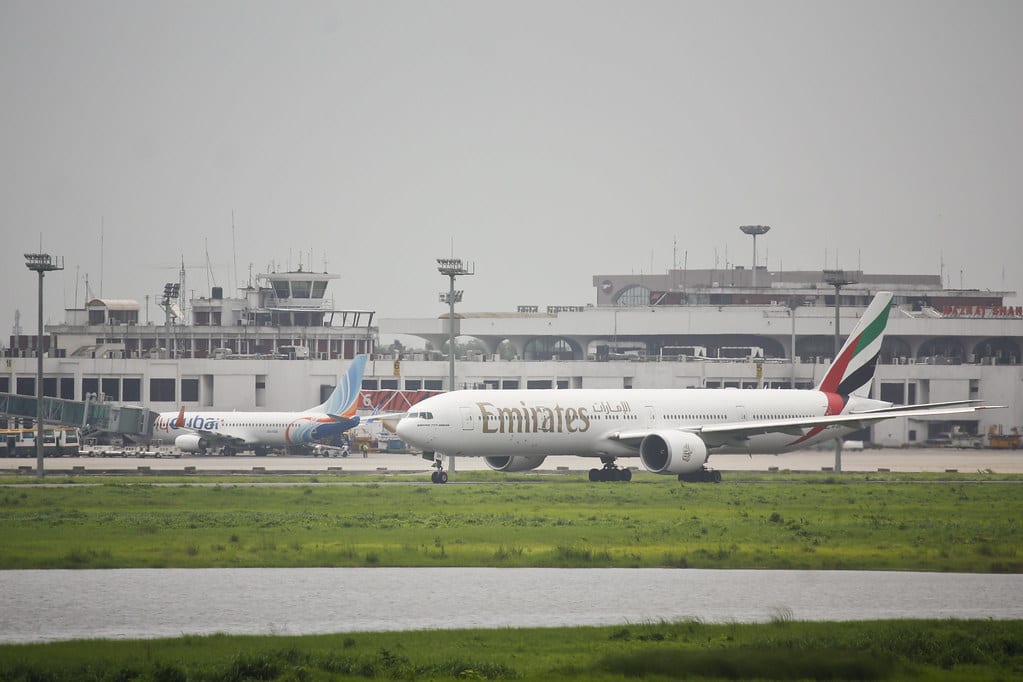
UAE Shares FlyDubai Crew List with Israel Ahead of Foiled Cockpit Attack – What It Means

The Incident in Brief

On 2 October 2024, Israeli security agencies disclosed that the United Arab Emirates had provided a detailed roster of FlyDubai crew members to Israel hours before a suspected cockpit intrusion was thwarted on a FlyDubai flight bound for Cairo. The crew list, containing names, ranks, and flight schedules, was reportedly shared through a secure diplomatic channel after a tip-off about a potential threat. The foiled attack, which involved an armed individual attempting to breach the cockpit during the flight’s take‑off phase, was neutralised by the crew and onboard security personnel, preventing any loss of life.

Why the Story Went Viral

The revelation sparked a cascade of reactions across social media, news wires, and Google Trends. Several factors amplified its reach:

  • Cross‑border intelligence cooperation between a Gulf Arab state and Israel, a partnership that is still relatively new in the public eye.
  • Airline safety concerns, with passengers fearing that commercial flights could become new battlegrounds for geopolitical tensions.
  • Timing, as the incident coincided with heightened diplomatic activity following the Abraham Accords anniversary.

"The swift sharing of actionable intelligence saved lives and underscored the evolving security architecture in the Middle East," said a senior analyst at the International Institute for Strategic Studies.

Geopolitical Context

The UAE‑Israel strategic partnership, formalised in 2020, has steadily deepened across trade, technology, and defence. This incident illustrates how that cooperation extends into civil aviation security:

  • Joint threat assessments are now conducted regularly, with the UAE’s General Civil Aviation Authority (GCAA) feeding data into Israeli security networks.
  • Shared protocols for crew vetting and real‑time alerts have been drafted, aiming to pre‑empt similar threats.
  • Regional ripple effects: neighbouring states, including Saudi Arabia and Oman, are monitoring the development closely, weighing whether to adopt comparable intelligence‑sharing frameworks.

Security Implications for the Airline Industry

For airlines operating in the volatile Middle East corridor, the episode raises several operational imperatives:

  • Enhanced crew vetting: Airlines may need to adopt stricter background checks, possibly integrating biometric verification.
  • Real‑time alert systems: Deploying encrypted communication channels that can instantly relay threat intel to pilots and cabin crews.
  • Training drills: Regular simulation of cockpit breach scenarios to ensure crew readiness.

Industry bodies such as IATA have already issued a statement urging carriers to collaborate with national security agencies and to adopt a unified response protocol.

Looking Ahead: What This Means for Regional Security

The incident could act as a catalyst for broader security reforms:

  1. Formalised intelligence corridors between Gulf states and Israel may become institutionalised, reducing reliance on ad‑hoc diplomatic channels.
  2. Legislative changes: Governments might enact laws mandating airlines to share crew rosters with allied intelligence services under defined circumstances.
  3. Public perception: While the successful thwarting of the attack boosts confidence in collaborative security, it may also fuel conspiracy theories about surveillance and privacy.

Key Takeaways

  • The UAE’s proactive sharing of the FlyDubai crew list with Israel prevented a potential cockpit takeover.
  • The episode highlights the maturing security nexus between Gulf Arab states and Israel.
  • Airlines must reassess crew security protocols, embracing real‑time intelligence integration.
  • Future diplomatic frameworks may embed aviation security as a core component of regional cooperation.

Bottom line: This episode underscores how intelligence collaboration can translate into immediate, life‑saving outcomes, while also prompting a re‑evaluation of security norms in commercial aviation across the Middle East.


Original Reporting & Source: India Today Top Stories

Discussion (0)

Sign in to join the discussion.

No comments yet. Be the first to start the conversation!

| |

UAE Shares FlyDubai Crew List with Israel Ahead of Foiled Cockpit Attack – What It Means

By Umang Sisodia • 3 min read • 2 views

The Incident in Brief

On 2 October 2024, Israeli security agencies disclosed that the United Arab Emirates had provided a detailed roster of FlyDubai crew members to Israel hours before a suspected cockpit intrusion was thwarted on a FlyDubai flight bound for Cairo. The crew list, containing names, ranks, and flight schedules, was reportedly shared through a secure diplomatic channel after a tip-off about a potential threat. The foiled attack, which involved an armed individual attempting to breach the cockpit during the flight’s take‑off phase, was neutralised by the crew and onboard security personnel, preventing any loss of life.

Why the Story Went Viral

The revelation sparked a cascade of reactions across social media, news wires, and Google Trends. Several factors amplified its reach:

  • Cross‑border intelligence cooperation between a Gulf Arab state and Israel, a partnership that is still relatively new in the public eye.
  • Airline safety concerns, with passengers fearing that commercial flights could become new battlegrounds for geopolitical tensions.
  • Timing, as the incident coincided with heightened diplomatic activity following the Abraham Accords anniversary.

"The swift sharing of actionable intelligence saved lives and underscored the evolving security architecture in the Middle East," said a senior analyst at the International Institute for Strategic Studies.

Geopolitical Context

The UAE‑Israel strategic partnership, formalised in 2020, has steadily deepened across trade, technology, and defence. This incident illustrates how that cooperation extends into civil aviation security:

  • Joint threat assessments are now conducted regularly, with the UAE’s General Civil Aviation Authority (GCAA) feeding data into Israeli security networks.
  • Shared protocols for crew vetting and real‑time alerts have been drafted, aiming to pre‑empt similar threats.
  • Regional ripple effects: neighbouring states, including Saudi Arabia and Oman, are monitoring the development closely, weighing whether to adopt comparable intelligence‑sharing frameworks.

Security Implications for the Airline Industry

For airlines operating in the volatile Middle East corridor, the episode raises several operational imperatives:

  • Enhanced crew vetting: Airlines may need to adopt stricter background checks, possibly integrating biometric verification.
  • Real‑time alert systems: Deploying encrypted communication channels that can instantly relay threat intel to pilots and cabin crews.
  • Training drills: Regular simulation of cockpit breach scenarios to ensure crew readiness.

Industry bodies such as IATA have already issued a statement urging carriers to collaborate with national security agencies and to adopt a unified response protocol.

Looking Ahead: What This Means for Regional Security

The incident could act as a catalyst for broader security reforms:

  1. Formalised intelligence corridors between Gulf states and Israel may become institutionalised, reducing reliance on ad‑hoc diplomatic channels.
  2. Legislative changes: Governments might enact laws mandating airlines to share crew rosters with allied intelligence services under defined circumstances.
  3. Public perception: While the successful thwarting of the attack boosts confidence in collaborative security, it may also fuel conspiracy theories about surveillance and privacy.

Key Takeaways

  • The UAE’s proactive sharing of the FlyDubai crew list with Israel prevented a potential cockpit takeover.
  • The episode highlights the maturing security nexus between Gulf Arab states and Israel.
  • Airlines must reassess crew security protocols, embracing real‑time intelligence integration.
  • Future diplomatic frameworks may embed aviation security as a core component of regional cooperation.

Bottom line: This episode underscores how intelligence collaboration can translate into immediate, life‑saving outcomes, while also prompting a re‑evaluation of security norms in commercial aviation across the Middle East.


Original Reporting & Source: India Today Top Stories