Umang Sisodia • • 4 min read • 2 views
Iran‑War Fuels Crude Oil Spike Over $100, Yet OPEC+ Holds Production Steady
Overview
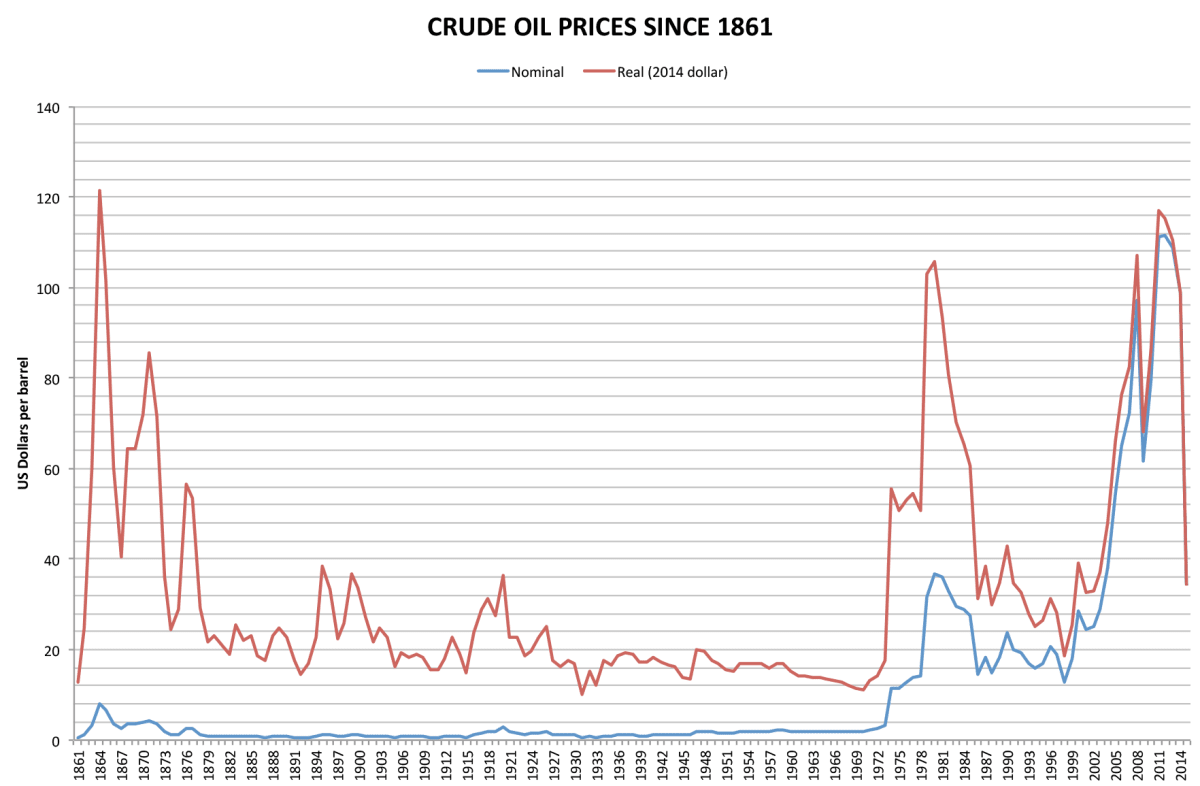
In early September 2024, global crude oil prices tumbled past the $100 per barrel mark for the first time in two years. The surge was directly linked to the escalating conflict in Iran, where renewed hostilities disrupted oil transport routes in the Persian Gulf. Despite the price shock, the OPEC+ consortium—comprising the Organization of the Petroleum Exporting Countries and its allies—opted not to raise output, a decision that has left traders and policymakers scrambling for answers.
Why Prices Surged
- Geopolitical flashpoint: The renewed war in Iran threatened the Strait of Hormuz, a chokepoint through which roughly 20% of the world’s oil passes. Even the mere threat of blockages caused speculative buying.
- Supply‑side anxiety: Iran, a member of OPEC, accounts for ~3% of global oil production. Damage to its offshore facilities and pipelines raised concerns about a sudden supply shortfall.
- Currency fluctuations: The Indian rupee’s depreciation against the dollar added a secondary price pressure on import‑dependent markets like India.
"The market is reacting to a classic risk‑premium scenario—any hint of supply disruption pushes prices up, regardless of underlying demand," – Energy analyst Priya Mehta, Bloomberg.
OPEC+ Decision
At a closed‑door meeting in Vienna, OPEC+ ministers reaffirmed the production ceiling set in June 2024, citing confidence in the existing buffer stocks and a desire to avoid a price war. Key points from the communiqué include:
- No incremental cuts or hikes until the end of 2025.
- Continued monitoring of the Iran situation, with a clause to convene an emergency session if the Strait of Hormuz is fully blocked.
- Commitment to market stability, emphasizing that “excessive volatility harms both producers and consumers.”
The decision surprised many analysts who expected a quick output boost to temper price spikes. OPEC+ leaders argue that stockpiles in Saudi Arabia and the UAE are sufficient to absorb short‑term shocks, and that raising production could erode the price gains needed for fiscal budgets across the bloc.
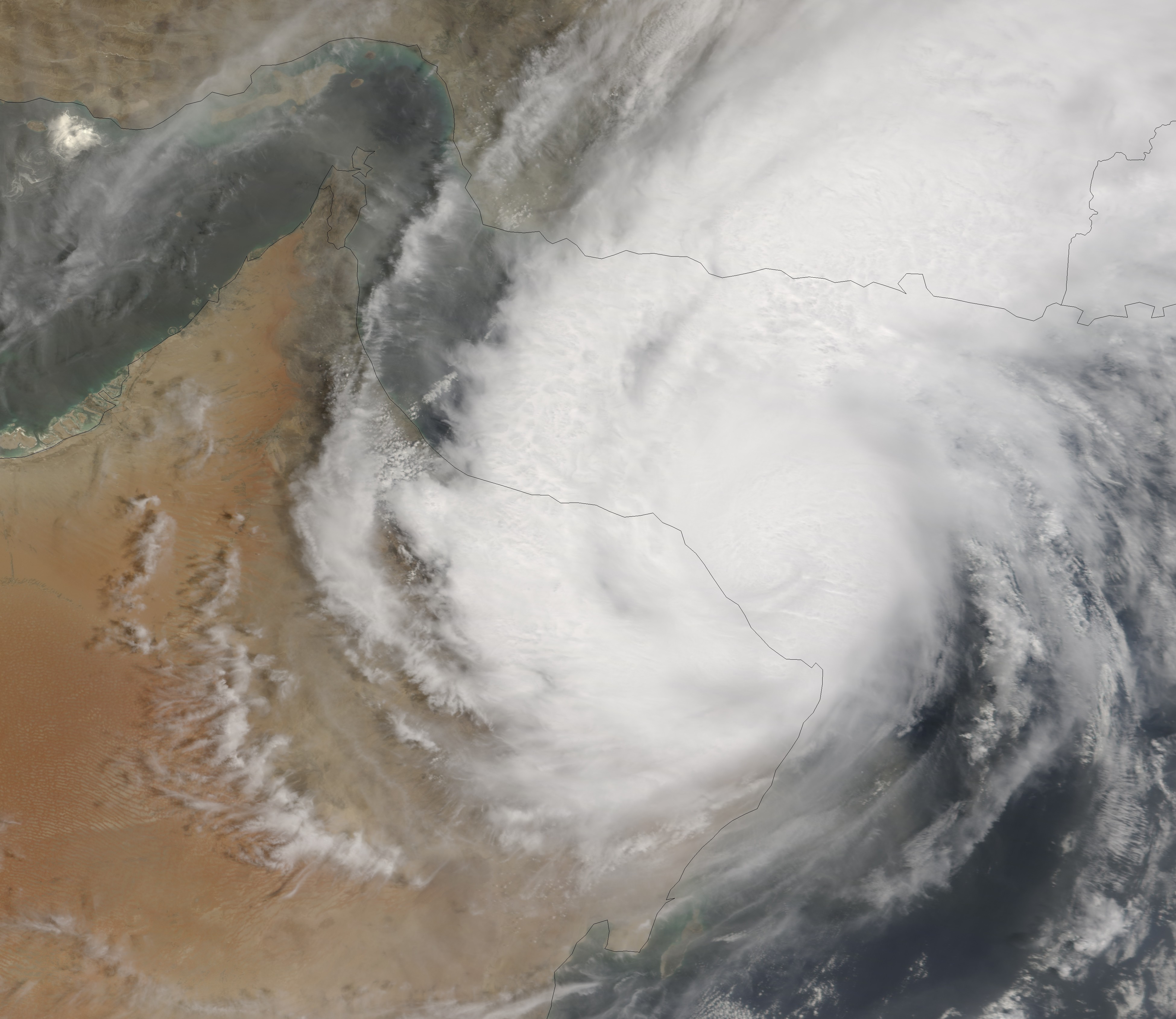 Iran Strait of Hormuz oil disruption
Market Reaction & Future Outlook
- Immediate trader response: Futures contracts for Brent and WTI settled 5‑7% higher on the day of the OPEC+ announcement, reflecting confidence that supply will remain tight.
- Emerging market impact: Countries like India and Bangladesh, heavy importers of crude, face a potential 8‑10% rise in import bills, pressuring their trade balances.
- Long‑term scenarios:
- Best‑case: The Iran conflict de‑escalates, Strait of Hormuz reopens, and OPEC+ maintains its current output, stabilising prices around $95‑$100.
- Worst‑case: Prolonged hostilities force a permanent reduction in Iranian exports, prompting OPEC+ to reconsider its stance and possibly increase production later in 2025 to avoid a prolonged price rally.
What This Means for Consumers
- Fuel prices: Expect retail gasoline to rise by ₹5‑₹7 per litre in India over the next month.
- Energy‑intensive industries: Steel, cement, and petrochemicals may see margin compression, potentially slowing growth forecasts for Q4 2024.
- Investment shifts: Higher oil prices could revive interest in renewable projects, as the cost‑competitiveness gap narrows.
Key Takeaways
- Geopolitics over supply: The Iran war reignited a classic risk‑premium, pushing oil past $100.
- OPEC+ holds firm: The bloc’s decision to keep production unchanged underscores its confidence in strategic reserves and its commitment to price stability.
- Global ripple effects: Emerging economies will bear the brunt of higher import costs, while investors may pivot toward greener energy.
Stay tuned as the situation evolves—both on the battlefield and in the oil markets—because today’s decisions will shape the energy landscape for years to come.
Original Reporting & Source: India Today Top Stories

Discussion (0)
Sign in to join the discussion.
No comments yet. Be the first to start the conversation!