Umang Sisodia • • 4 min read • 1 view

How to Make Authentic Mysore Pak at Home – Ditch the Store‑Bought Mix
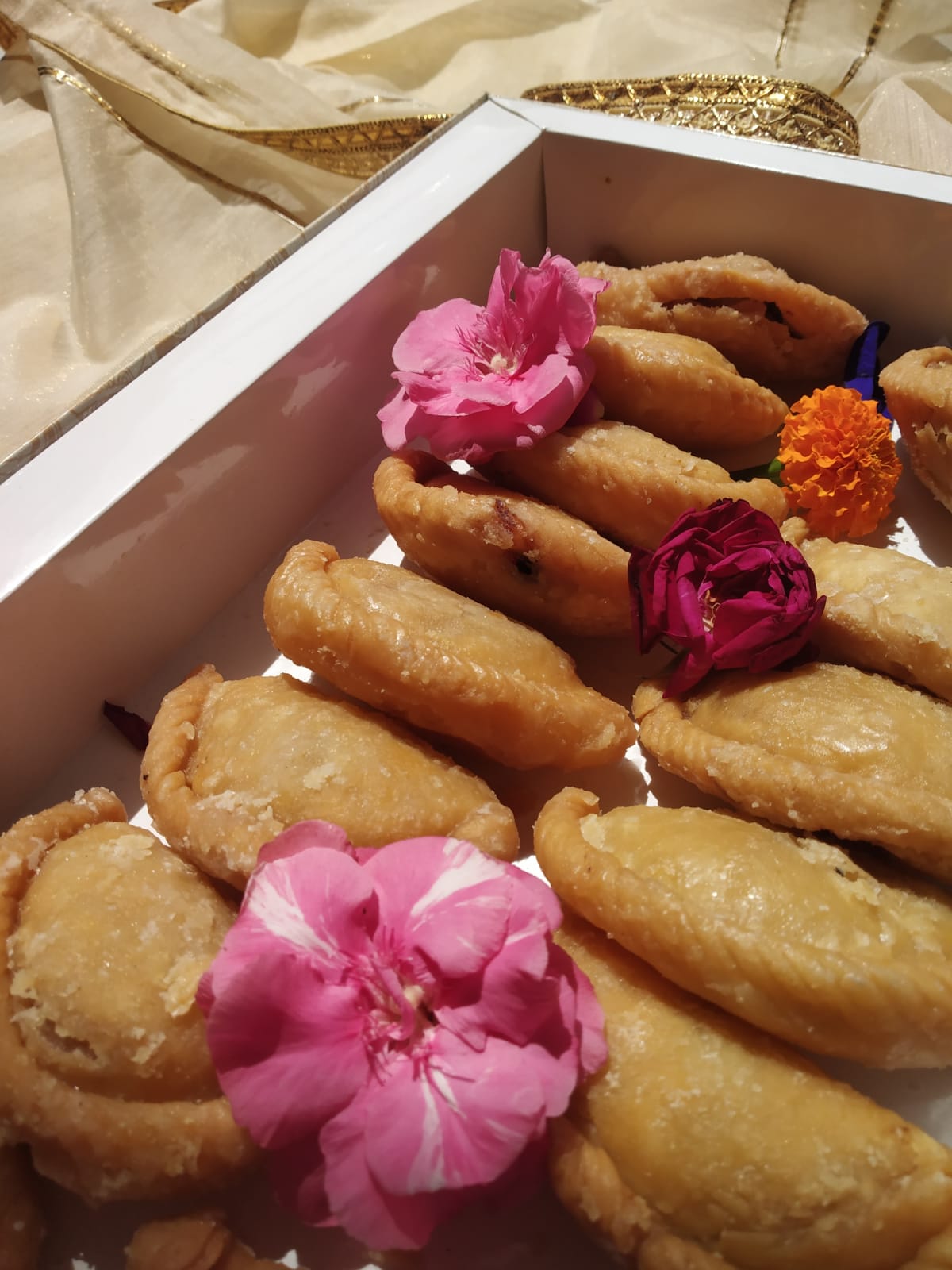
How to Make Authentic Mysore Pak at Home – Ditch the Store‑Bought Mix

The classic South‑Indian sweet Mysore Pak has surged on Google Trends after a viral video showed a simple, ingredient‑light method: just one cup of besan mixed with half a cup of ghee. Home cooks across India are abandoning pre‑made mixes and flocking to this straightforward recipe, sparking a wave of user‑generated content on Instagram, YouTube, and cooking forums.

“I never thought a 5‑minute prep could give me that melt‑in‑the‑mouth texture. My family can’t stop asking for seconds!” – a first‑time maker on a popular food blog.

The Sweet’s History

Mysore Pak originated in the royal kitchens of Mysore in the early 20th century. Legend has it that a royal chef, inspired by a visit to the British‑run Bangalore Club, experimented with ghee, sugar, and gram flour to create a rich, buttery confection. Over the decades, the sweet became synonymous with celebrations in Karnataka and eventually across India.

Ingredients You’ll Need (All‑Purpose)

  • 1 cup besan (gram flour) – sifted to avoid lumps
  • ½ cup ghee – clarified butter, preferably unsalted
  • ¾ cup sugar – fine caster works best
  • ¼ cup water – for the sugar syrup
  • A pinch of cardamom powder – optional for aroma
  • Sliced almonds or pistachios – for garnish (optional)

Step‑by‑Step Recipe

1. Prepare the Ghee

Heat the ghee in a heavy‑bottomed pan over medium flame until it’s completely melted and fragrant. Keep the temperature steady; too high a heat will scorch the besan later.

2. Roast the Besan

Add the sifted besan to the hot ghee, stirring continuously. Roast for 3‑4 minutes until it turns a light golden hue and releases a nutty aroma. This step is crucial for the sweet’s signature crumbly texture.

3. Make the Sugar Syrup

In a separate saucepan, combine sugar and water. Bring to a boil, then simmer until it reaches a soft‑ball stage (≈ 240 °F / 115 °C). Remove from heat.

4. Combine & Cook

Gradually pour the hot syrup into the roasted besan‑ghee mixture, stirring briskly to avoid lumps. Continue cooking on low flame; the mixture will thicken and start leaving the sides of the pan.

5. Set the Sweet

Turn off the heat, add cardamom powder, and quickly spread the hot mixture onto a greased tray or a parchment‑lined plate. Press lightly with a spatula, garnish with nuts, and let it cool for 10‑12 minutes before cutting into diamond‑shaped pieces.
ghee melting in pan ghee melting in pan

Common Mistakes & Pro Tips

  • Over‑roasting: Dark brown besan yields a bitter taste. Keep the roast light.
  • Wrong syrup stage: If the syrup is too thin, the Pak will be soggy; too thick, and it becomes hard.
  • Stirring too slowly: Rapid stirring prevents grain formation and ensures a smooth finish.
  • Using low‑quality ghee: Pure, clarified ghee gives the authentic glossy sheen.

Health & Cultural Impact

While Mysore Pak is calorie‑dense, using pure ghee offers short‑chain fatty acids that are easier to digest than regular butter. The resurgence of homemade versions also promotes zero‑waste cooking, as there’s no packaging from store‑bought mixes.

What’s Next for This Classic Sweet?

Food‑tech startups are now experimenting with vegan Mysore Pak using plant‑based ghee alternatives, but the traditional recipe continues to dominate search queries. Expect more regional twists—like adding jaggery instead of sugar or incorporating saffron—for festive seasons.

Key Takeaways

  • A simple ratio of 1 cup besan : ½ cup ghee delivers authentic texture.
  • Master the sugar syrup stage for perfect consistency.
  • Homemade Mysore Pak is a cultural statement, celebrating Indian culinary heritage in the digital age.

Ready to impress your family? Grab the ingredients, follow the steps, and share your golden cubes on social media with #HomemadeMysorePak. The sweet revolution is just a pan away!


Original Reporting & Source: India Today Top Stories

Discussion (0)

Sign in to join the discussion.

No comments yet. Be the first to start the conversation!

| |

How to Make Authentic Mysore Pak at Home – Ditch the Store‑Bought Mix

By Umang Sisodia • 4 min read • 1 view

The classic South‑Indian sweet Mysore Pak has surged on Google Trends after a viral video showed a simple, ingredient‑light method: just one cup of besan mixed with half a cup of ghee. Home cooks across India are abandoning pre‑made mixes and flocking to this straightforward recipe, sparking a wave of user‑generated content on Instagram, YouTube, and cooking forums.

“I never thought a 5‑minute prep could give me that melt‑in‑the‑mouth texture. My family can’t stop asking for seconds!” – a first‑time maker on a popular food blog.

The Sweet’s History

Mysore Pak originated in the royal kitchens of Mysore in the early 20th century. Legend has it that a royal chef, inspired by a visit to the British‑run Bangalore Club, experimented with ghee, sugar, and gram flour to create a rich, buttery confection. Over the decades, the sweet became synonymous with celebrations in Karnataka and eventually across India.

Ingredients You’ll Need (All‑Purpose)

  • 1 cup besan (gram flour) – sifted to avoid lumps
  • ½ cup ghee – clarified butter, preferably unsalted
  • ¾ cup sugar – fine caster works best
  • ¼ cup water – for the sugar syrup
  • A pinch of cardamom powder – optional for aroma
  • Sliced almonds or pistachios – for garnish (optional)

Step‑by‑Step Recipe

1. Prepare the Ghee

Heat the ghee in a heavy‑bottomed pan over medium flame until it’s completely melted and fragrant. Keep the temperature steady; too high a heat will scorch the besan later.

2. Roast the Besan

Add the sifted besan to the hot ghee, stirring continuously. Roast for 3‑4 minutes until it turns a light golden hue and releases a nutty aroma. This step is crucial for the sweet’s signature crumbly texture.

3. Make the Sugar Syrup

In a separate saucepan, combine sugar and water. Bring to a boil, then simmer until it reaches a soft‑ball stage (≈ 240 °F / 115 °C). Remove from heat.

4. Combine & Cook

Gradually pour the hot syrup into the roasted besan‑ghee mixture, stirring briskly to avoid lumps. Continue cooking on low flame; the mixture will thicken and start leaving the sides of the pan.

5. Set the Sweet

Turn off the heat, add cardamom powder, and quickly spread the hot mixture onto a greased tray or a parchment‑lined plate. Press lightly with a spatula, garnish with nuts, and let it cool for 10‑12 minutes before cutting into diamond‑shaped pieces.

ghee melting in pan ghee melting in pan

Common Mistakes & Pro Tips

  • Over‑roasting: Dark brown besan yields a bitter taste. Keep the roast light.
  • Wrong syrup stage: If the syrup is too thin, the Pak will be soggy; too thick, and it becomes hard.
  • Stirring too slowly: Rapid stirring prevents grain formation and ensures a smooth finish.
  • Using low‑quality ghee: Pure, clarified ghee gives the authentic glossy sheen.

Health & Cultural Impact

While Mysore Pak is calorie‑dense, using pure ghee offers short‑chain fatty acids that are easier to digest than regular butter. The resurgence of homemade versions also promotes zero‑waste cooking, as there’s no packaging from store‑bought mixes.

What’s Next for This Classic Sweet?

Food‑tech startups are now experimenting with vegan Mysore Pak using plant‑based ghee alternatives, but the traditional recipe continues to dominate search queries. Expect more regional twists—like adding jaggery instead of sugar or incorporating saffron—for festive seasons.

Key Takeaways

  • A simple ratio of 1 cup besan : ½ cup ghee delivers authentic texture.
  • Master the sugar syrup stage for perfect consistency.
  • Homemade Mysore Pak is a cultural statement, celebrating Indian culinary heritage in the digital age.

Ready to impress your family? Grab the ingredients, follow the steps, and share your golden cubes on social media with #HomemadeMysorePak. The sweet revolution is just a pan away!


Original Reporting & Source: India Today Top Stories