Umang Sisodia • • 4 min read • 1 view

CBI Files Corruption Case Against Punjab CM’s Aide: Raid Details, Political Fallout & What Lies Ahead
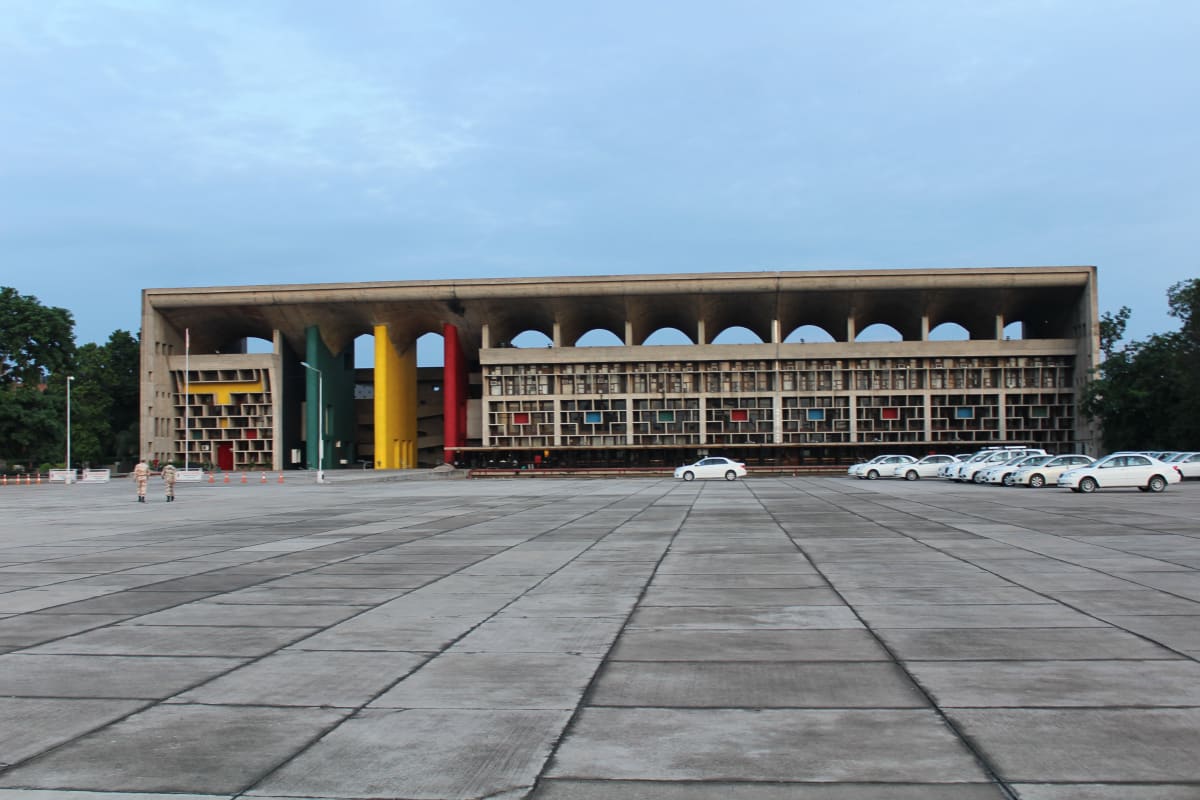
CBI Files Corruption Case Against Punjab CM’s Aide: Raid Details, Political Fallout & What Lies Ahead

The CBI’s New Case: A Quick Recap

On April 30, 2024, the Central Bureau of Investigation (CBI) officially lodged a corruption case against a close aide of Punjab Chief Minister Bhagwant Mann. The move came after the Punjab High Court ordered a probe into alleged irregularities in the allocation of government contracts. The CBI’s filing marks the latest escalation in a series of raids that have rattled the state's political landscape.

Why the case erupted now

  • High Court directive – The Punjab High Court, responding to a petition by opposition parties, mandated a fresh inquiry into procurement deals signed during the Aam Aadmi Party (AAP) government’s first year.
  • Media pressure – Persistent coverage by national dailies such as The Hindu and The Times of India amplified public demand for accountability.
  • Political timing – With the next state elections slated for early 2025, opponents are keen to weaponise any perceived graft against the ruling party.

"We will cooperate fully with the investigative agencies, but we also expect that due process is respected," – CM Bhagwant Mann, in a press briefing following the raids.

The Raids: A Day in Punjab’s Political Heartland

On the same day the case was filed, CBI teams descended on two strategic locations:

  1. CM’s camp office in Chandigarh – The main operational hub where policy drafts and financial ledgers are stored.
  2. The official residence of the OSD (Officer on Special Duty) linked to the aide – A suburban bungalow in Mohali, reportedly holding evidence of cash transfers.

The raids were conducted under the cover of early morning, with black‑clad investigators, forensic experts, and a convoy of police vehicles. Journalists from NDTV, The Hindu, and local Punjabi news channels captured the scene, broadcasting live footage of sealed doors, forensic kits, and the CBI’s emblematic black‑and‑white vans.
Punjab High Court courtroom Punjab High Court courtroom

Political Fallout: Parties React and Public Sentiment

The immediate reaction was a mix of denial, deflection, and strategic counter‑attacks:

  • AAP’s stance – Party leaders labeled the raids as a "politically motivated" move by the central government, accusing the BJP of trying to destabilise the state administration.
  • BJP’s narrative – Senior BJP spokespersons highlighted the raids as evidence of "zero tolerance" for corruption, urging the public to let the law take its course.
  • Opposition voices – The Indian National Congress demanded a parliamentary inquiry, arguing that the CBI’s actions signal deeper systemic issues.

On social media, hashtags like #PunjabCBI and #MannRaided trended on Twitter, reflecting a polarized public. While some citizens expressed disappointment, others rallied behind the CM, citing his anti‑corruption track record.

Key takeaways for readers

  • The CBI’s case is directly linked to a High Court order, not a standalone investigation.
  • Raids targeted both the political office and a personal residence, indicating a broad evidence‑collection strategy.
  • Political narratives are diverging sharply, setting the stage for a heated pre‑election discourse.

Legally, the filing initiates a criminal prosecution that could lead to charges under the Prevention of Corruption Act, 1988. The aide, whose name has been withheld pending formal charge‑sheet filing, faces potential arrest and property seizure.

The High Court will now monitor the CBI’s progress, and any interim orders could further shape the investigative scope. Should the CBI present a robust charge‑sheet, it may trigger:

  • Parliamentary scrutiny of the AAP government’s procurement policies.
  • Re‑evaluation of ongoing contracts awarded during the last fiscal year.
  • Heightened political activism from civil‑society groups demanding transparency.

In the broader context, this episode underscores a growing trend of investigative agencies being leveraged in high‑stakes political battles across India. As the case unfolds, stakeholders—from party workers to ordinary voters—will be watching closely to see whether the legal process translates into tangible accountability or merely fuels further political theatrics.


Stay tuned for updates as the CBI’s investigation progresses and more details emerge from the courtroom.


Original Reporting & Source: Google Trends (India)

Discussion (0)

Sign in to join the discussion.

No comments yet. Be the first to start the conversation!

| |

CBI Files Corruption Case Against Punjab CM’s Aide: Raid Details, Political Fallout & What Lies Ahead

By Umang Sisodia • 4 min read • 1 view

The CBI’s New Case: A Quick Recap

On April 30, 2024, the Central Bureau of Investigation (CBI) officially lodged a corruption case against a close aide of Punjab Chief Minister Bhagwant Mann. The move came after the Punjab High Court ordered a probe into alleged irregularities in the allocation of government contracts. The CBI’s filing marks the latest escalation in a series of raids that have rattled the state's political landscape.

Why the case erupted now

  • High Court directive – The Punjab High Court, responding to a petition by opposition parties, mandated a fresh inquiry into procurement deals signed during the Aam Aadmi Party (AAP) government’s first year.
  • Media pressure – Persistent coverage by national dailies such as The Hindu and The Times of India amplified public demand for accountability.
  • Political timing – With the next state elections slated for early 2025, opponents are keen to weaponise any perceived graft against the ruling party.

"We will cooperate fully with the investigative agencies, but we also expect that due process is respected," – CM Bhagwant Mann, in a press briefing following the raids.

The Raids: A Day in Punjab’s Political Heartland

On the same day the case was filed, CBI teams descended on two strategic locations:

  1. CM’s camp office in Chandigarh – The main operational hub where policy drafts and financial ledgers are stored.
  2. The official residence of the OSD (Officer on Special Duty) linked to the aide – A suburban bungalow in Mohali, reportedly holding evidence of cash transfers.

The raids were conducted under the cover of early morning, with black‑clad investigators, forensic experts, and a convoy of police vehicles. Journalists from NDTV, The Hindu, and local Punjabi news channels captured the scene, broadcasting live footage of sealed doors, forensic kits, and the CBI’s emblematic black‑and‑white vans.

Punjab High Court courtroom Punjab High Court courtroom

Political Fallout: Parties React and Public Sentiment

The immediate reaction was a mix of denial, deflection, and strategic counter‑attacks:

  • AAP’s stance – Party leaders labeled the raids as a "politically motivated" move by the central government, accusing the BJP of trying to destabilise the state administration.
  • BJP’s narrative – Senior BJP spokespersons highlighted the raids as evidence of "zero tolerance" for corruption, urging the public to let the law take its course.
  • Opposition voices – The Indian National Congress demanded a parliamentary inquiry, arguing that the CBI’s actions signal deeper systemic issues.

On social media, hashtags like #PunjabCBI and #MannRaided trended on Twitter, reflecting a polarized public. While some citizens expressed disappointment, others rallied behind the CM, citing his anti‑corruption track record.

Key takeaways for readers

  • The CBI’s case is directly linked to a High Court order, not a standalone investigation.
  • Raids targeted both the political office and a personal residence, indicating a broad evidence‑collection strategy.
  • Political narratives are diverging sharply, setting the stage for a heated pre‑election discourse.

Legally, the filing initiates a criminal prosecution that could lead to charges under the Prevention of Corruption Act, 1988. The aide, whose name has been withheld pending formal charge‑sheet filing, faces potential arrest and property seizure.

The High Court will now monitor the CBI’s progress, and any interim orders could further shape the investigative scope. Should the CBI present a robust charge‑sheet, it may trigger:

  • Parliamentary scrutiny of the AAP government’s procurement policies.
  • Re‑evaluation of ongoing contracts awarded during the last fiscal year.
  • Heightened political activism from civil‑society groups demanding transparency.

In the broader context, this episode underscores a growing trend of investigative agencies being leveraged in high‑stakes political battles across India. As the case unfolds, stakeholders—from party workers to ordinary voters—will be watching closely to see whether the legal process translates into tangible accountability or merely fuels further political theatrics.


Stay tuned for updates as the CBI’s investigation progresses and more details emerge from the courtroom.


Original Reporting & Source: Google Trends (India)