Umang Sisodia • • 4 min read • 1 view

Maricarmen's Tragic Death Fuels Spain's Escalating Housing Crisis
Maricarmen's Tragic Death Fuels Spain's Escalating Housing Crisis

The heartbreaking case that sparked nationwide outrage

In early March, Maricarmen García, a 38‑year‑old single mother from the Lavapiés district of Madrid, was found dead inside her modest flat. The coroner’s report linked her death to a sudden heart attack triggered by extreme stress after a forcible eviction by a private landlord. The incident has ignited a fresh wave of protests across Spain, thrusting the chronic housing shortage into the global spotlight.

Why the story is trending on Google and news wires

  • Human drama: Maricarmen’s story personalises the abstract statistics of Spain’s housing deficit, turning numbers into a relatable tragedy.
  • Policy vacuum: The eviction occurred despite a pending court order that should have protected her tenancy, exposing gaps in enforcement.
  • Political tinder: Opposition parties have seized the moment, demanding a nationwide rent‑control law and stricter penalties for illegal evictions.
  • Social media amplification: Hashtags like #MaricarmenMuerte and #ViviendaDigna have trended on X and Instagram, prompting mainstream outlets to cover the story extensively.

"When a mother dies in her own home, it is a symptom of a broken system, not an isolated incident," – Ana Fernández, spokesperson for the Spanish Tenants Union.

Background: Spain’s chronic housing crunch

Spain has been grappling with a housing crisis for over a decade, characterized by:

  • Rising rents: Urban centres such as Madrid and Barcelona have seen average rent hikes of 12‑15% annually since 2019.
  • Supply‑demand mismatch: A 2022 INE report highlighted a deficit of over 1.2 million affordable rental units nationwide.
  • Regulatory loopholes: The 2019 Ley de Arrendamientos Urbanos (Urban Leases Law) was intended to protect tenants, but loopholes allow landlords to terminate contracts on flimsy grounds.
  • Tourist‑driven gentrification: Short‑term rentals via platforms like Airbnb have displaced long‑term residents, further tightening the market.

The eviction row that led to Maricarmen’s death

On 22 February, Maricarmen received a court‑ordered eviction notice demanding she vacate her apartment within 48 hours. The landlord, a property management firm linked to a multinational real‑estate fund, ignored the order and sent a security team to forcibly remove her belongings. Witnesses reported that the team used aggressive tactics, causing Maricarmen severe anxiety. Within hours, she suffered a fatal heart attack.

The incident prompted:

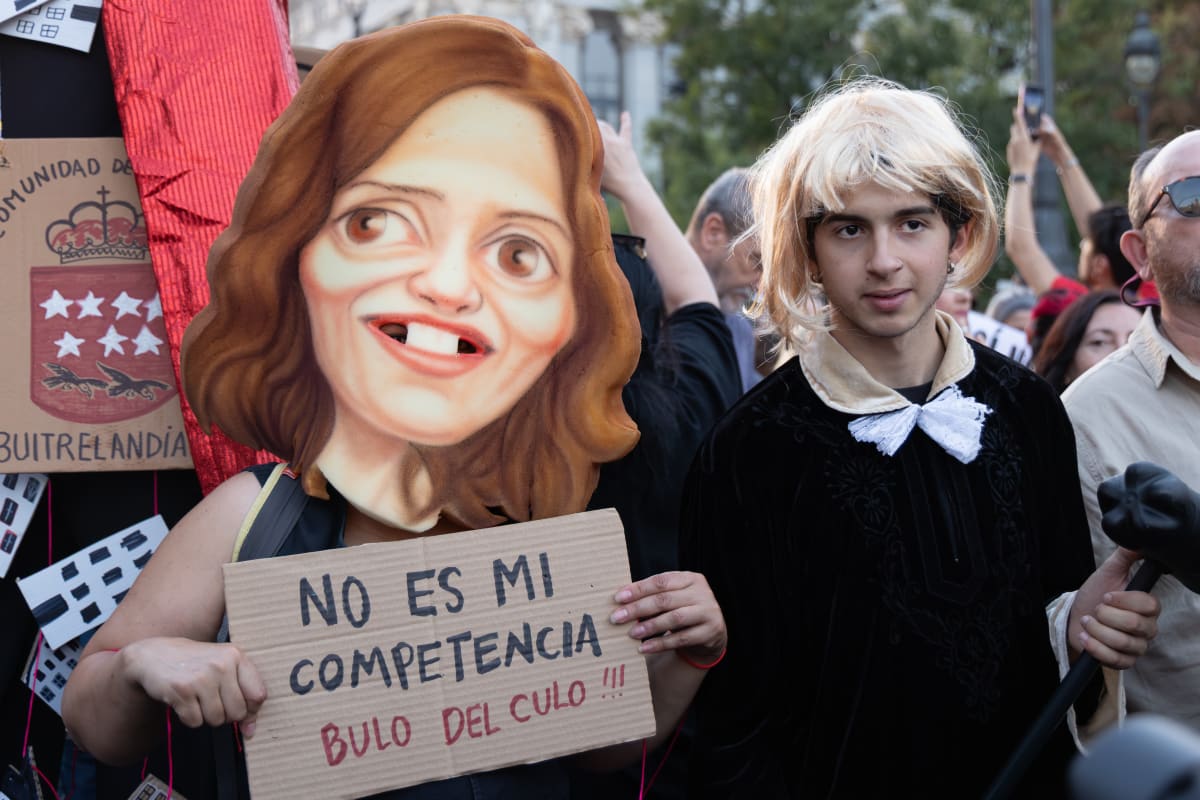
  • Mass demonstrations outside the Madrid City Hall, with thousands chanting “¡Vivienda digna ahora!”
  • Parliamentary debates on emergency rent‑freeze legislation.
  • International condemnation, with the European Parliament urging Spain to align with EU housing directives.

Potential long‑term impact and policy outlook

  1. Legislative reform – The ruling Socialist Party (PSOE) has pledged to fast‑track amendments to the Urban Leases Law, introducing:
    • Mandatory 30‑day notice periods for evictions.
    • Higher compensation for tenants forcibly removed.
    • A national rent‑control registry to monitor price spikes.
  2. Judicial oversight – Proposals to create a special housing tribunal that can issue rapid injunctions against illegal evictions.
  3. Social housing boost – The government has earmarked €2 billion for new affordable housing projects, aiming to add 250,000 units by 2028.
  4. Grassroots activism – Tenant unions are organizing occupy‑style squats in vacant buildings, pressuring municipalities to repurpose unused properties for low‑income families.

If these measures gain traction, Spain could see a stabilisation of rental prices and a reduction in evictions within the next three years. However, critics warn that without robust enforcement, new laws may remain paper‑only solutions.

Key takeaways

  • Maricarmen’s death has become a catalyst for nationwide housing reform discussions.
  • The incident underscores the human cost of Spain’s housing shortage and the urgency for policy intervention.
  • Ongoing protests and political pressure could reshape the rental market and improve tenant protections across the country.

Stay tuned for updates on legislative developments and on‑the‑ground activism as Spain confronts one of its most pressing social challenges.


Original Reporting & Source: India Today Top Stories

Discussion (0)

Sign in to join the discussion.

No comments yet. Be the first to start the conversation!

| |

Maricarmen's Tragic Death Fuels Spain's Escalating Housing Crisis

By Umang Sisodia • 4 min read • 1 view

The heartbreaking case that sparked nationwide outrage

In early March, Maricarmen García, a 38‑year‑old single mother from the Lavapiés district of Madrid, was found dead inside her modest flat. The coroner’s report linked her death to a sudden heart attack triggered by extreme stress after a forcible eviction by a private landlord. The incident has ignited a fresh wave of protests across Spain, thrusting the chronic housing shortage into the global spotlight.

Why the story is trending on Google and news wires

  • Human drama: Maricarmen’s story personalises the abstract statistics of Spain’s housing deficit, turning numbers into a relatable tragedy.
  • Policy vacuum: The eviction occurred despite a pending court order that should have protected her tenancy, exposing gaps in enforcement.
  • Political tinder: Opposition parties have seized the moment, demanding a nationwide rent‑control law and stricter penalties for illegal evictions.
  • Social media amplification: Hashtags like #MaricarmenMuerte and #ViviendaDigna have trended on X and Instagram, prompting mainstream outlets to cover the story extensively.

"When a mother dies in her own home, it is a symptom of a broken system, not an isolated incident," – Ana Fernández, spokesperson for the Spanish Tenants Union.

Background: Spain’s chronic housing crunch

Spain has been grappling with a housing crisis for over a decade, characterized by:

  • Rising rents: Urban centres such as Madrid and Barcelona have seen average rent hikes of 12‑15% annually since 2019.
  • Supply‑demand mismatch: A 2022 INE report highlighted a deficit of over 1.2 million affordable rental units nationwide.
  • Regulatory loopholes: The 2019 Ley de Arrendamientos Urbanos (Urban Leases Law) was intended to protect tenants, but loopholes allow landlords to terminate contracts on flimsy grounds.
  • Tourist‑driven gentrification: Short‑term rentals via platforms like Airbnb have displaced long‑term residents, further tightening the market.

The eviction row that led to Maricarmen’s death

On 22 February, Maricarmen received a court‑ordered eviction notice demanding she vacate her apartment within 48 hours. The landlord, a property management firm linked to a multinational real‑estate fund, ignored the order and sent a security team to forcibly remove her belongings. Witnesses reported that the team used aggressive tactics, causing Maricarmen severe anxiety. Within hours, she suffered a fatal heart attack.

The incident prompted:

  • Mass demonstrations outside the Madrid City Hall, with thousands chanting “¡Vivienda digna ahora!”
  • Parliamentary debates on emergency rent‑freeze legislation.
  • International condemnation, with the European Parliament urging Spain to align with EU housing directives.

Potential long‑term impact and policy outlook

  1. Legislative reform – The ruling Socialist Party (PSOE) has pledged to fast‑track amendments to the Urban Leases Law, introducing:
    • Mandatory 30‑day notice periods for evictions.
    • Higher compensation for tenants forcibly removed.
    • A national rent‑control registry to monitor price spikes.
  2. Judicial oversight – Proposals to create a special housing tribunal that can issue rapid injunctions against illegal evictions.
  3. Social housing boost – The government has earmarked €2 billion for new affordable housing projects, aiming to add 250,000 units by 2028.
  4. Grassroots activism – Tenant unions are organizing occupy‑style squats in vacant buildings, pressuring municipalities to repurpose unused properties for low‑income families.

If these measures gain traction, Spain could see a stabilisation of rental prices and a reduction in evictions within the next three years. However, critics warn that without robust enforcement, new laws may remain paper‑only solutions.

Key takeaways

  • Maricarmen’s death has become a catalyst for nationwide housing reform discussions.
  • The incident underscores the human cost of Spain’s housing shortage and the urgency for policy intervention.
  • Ongoing protests and political pressure could reshape the rental market and improve tenant protections across the country.

Stay tuned for updates on legislative developments and on‑the‑ground activism as Spain confronts one of its most pressing social challenges.


Original Reporting & Source: India Today Top Stories