Umang Sisodia • • 4 min read • 1 view

When a Doctor Breaks a Wrist: Uncovering the Hidden Health Crisis Behind Simple Fractures
When a Doctor Breaks a Wrist: Uncovering the Hidden Health Crisis Behind Simple Fractures

A Doctor’s Unexpected Lesson

When Dr. Ananya Mehra, a senior internist at a Mumbai teaching hospital, slipped on a wet hallway and fractured her right wrist, she expected a routine cast and a few weeks off duty. What she discovered, however, was that a simple fracture can be a window into deeper systemic issues – from bone health and lifestyle habits to gaps in patient education.

The Incident That Sparked a Nationwide Conversation

  • The fall: A routine night shift, a hurried step, a sudden slip.
  • Immediate care: Emergency X‑ray, a fiberglass cast, and a prescription for painkillers.
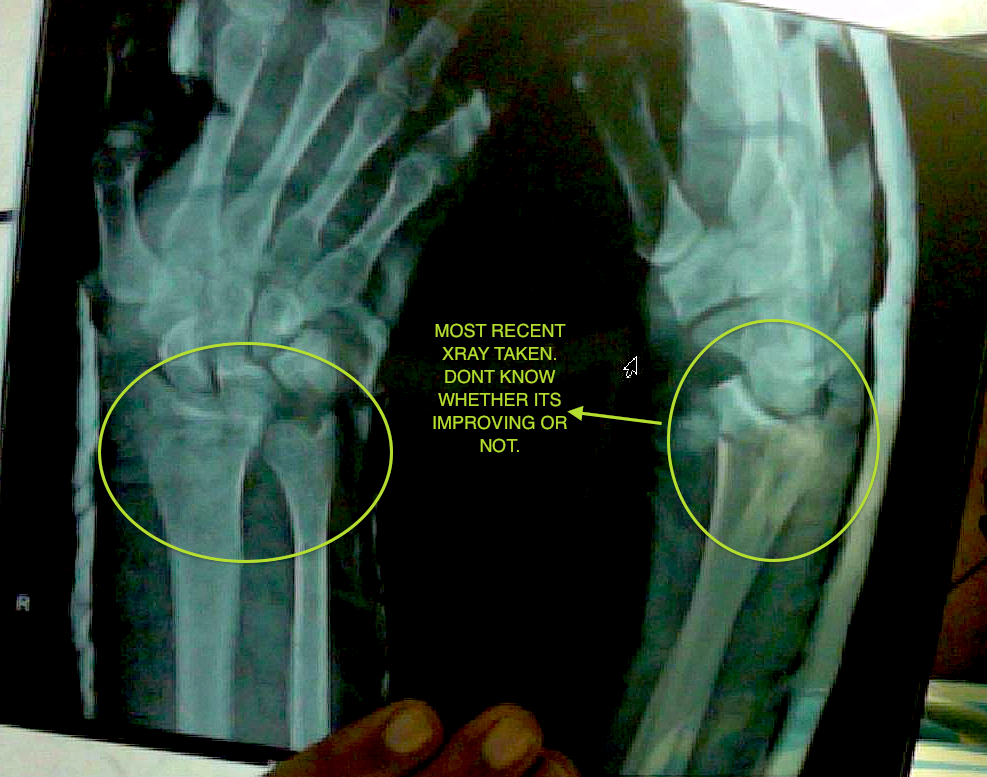
  • The revelation: While reviewing her own scan, Dr. Mehra noticed reduced bone density and subtle signs of early osteoporosis – a condition she had never screened for in her own patients.

"I thought I was just treating a broken bone. The moment I saw the scan, I realized I was looking at a silent epidemic that many of my patients ignore," she wrote in a candid Instagram post that quickly went viral.

The story resonated because it combined personal vulnerability with professional insight. In an era where health influencers dominate feeds, a physician sharing her own medical setback felt authentic and urgent. Google Trends reflected a spike in searches for terms like "wrist fracture osteoporosis" and "doctor broken wrist" within 48 hours of the post.
X-ray of wrist fracture X-ray of wrist fracture

Beyond Bones: The Broader Health Implications

  1. Hidden osteoporosis in younger adults – Studies show up to 30% of fractures in people under 50 are linked to undiagnosed low bone mass.
  2. Lifestyle factors – Sedentary work, vitamin D deficiency, and high caffeine intake accelerate bone loss.
  3. Systemic gaps – Routine bone density testing is rarely recommended for patients without obvious risk factors, leaving many conditions undetected.

Data Snapshot

  • India’s osteoporosis prevalence: ~15% in women aged 50+, but only 5% are screened.
  • Fracture recurrence rate: 20% of patients with an initial wrist fracture experience another fracture within two years.
  • Economic impact: The cost of treating osteoporotic fractures in India is projected to exceed ₹12,000 crore by 2030.

Expert Insights and Recommendations

  • Dr. Ramesh Kumar, Orthopedic Surgeon: *"A wrist fracture is often the first clinical clue. It should trigger a comprehensive bone health assessment, not just immobilization."
  • Dr. Priya Singh, Endocrinologist: *"Calcium and vitamin D supplementation, combined with weight‑bearing exercises, can improve bone density by up to 5% in a year."

Actionable steps for readers:

  • Schedule a DEXA scan if you’ve had any fracture after age 30.
  • Incorporate 30 minutes of brisk walking or resistance training daily.
  • Ensure daily intake of 800‑1000 mg calcium and 800 IU vitamin D.

What This Means for Patients and the Healthcare System

The ripple effect of Dr. Mehra’s story is prompting hospitals to revise post‑fracture protocols:

  • Immediate referral to a bone health specialist.
  • Patient education brochures at discharge.
  • Integration of nutrition counseling into orthopaedic wards.

If adopted widely, these measures could reduce secondary fractures by up to 25%, easing the burden on an already overstretched public health system.

Key Takeaways

  • A wrist fracture is often a red flag for underlying bone health issues.
  • Personal stories from medical professionals can drive public awareness and shift health‑seeking behavior.
  • Early screening, lifestyle modification, and interdisciplinary care are essential to prevent a silent epidemic.

Stay informed, stay active, and don’t ignore the warning signs hidden in a simple break.


Original Reporting & Source: India Today Top Stories

Discussion (0)

Sign in to join the discussion.

No comments yet. Be the first to start the conversation!

| |

When a Doctor Breaks a Wrist: Uncovering the Hidden Health Crisis Behind Simple Fractures

By Umang Sisodia • 4 min read • 1 view

A Doctor’s Unexpected Lesson

When Dr. Ananya Mehra, a senior internist at a Mumbai teaching hospital, slipped on a wet hallway and fractured her right wrist, she expected a routine cast and a few weeks off duty. What she discovered, however, was that a simple fracture can be a window into deeper systemic issues – from bone health and lifestyle habits to gaps in patient education.

The Incident That Sparked a Nationwide Conversation

  • The fall: A routine night shift, a hurried step, a sudden slip.
  • Immediate care: Emergency X‑ray, a fiberglass cast, and a prescription for painkillers.
  • The revelation: While reviewing her own scan, Dr. Mehra noticed reduced bone density and subtle signs of early osteoporosis – a condition she had never screened for in her own patients.

"I thought I was just treating a broken bone. The moment I saw the scan, I realized I was looking at a silent epidemic that many of my patients ignore," she wrote in a candid Instagram post that quickly went viral.

The story resonated because it combined personal vulnerability with professional insight. In an era where health influencers dominate feeds, a physician sharing her own medical setback felt authentic and urgent. Google Trends reflected a spike in searches for terms like "wrist fracture osteoporosis" and "doctor broken wrist" within 48 hours of the post.

X-ray of wrist fracture X-ray of wrist fracture

Beyond Bones: The Broader Health Implications

  1. Hidden osteoporosis in younger adults – Studies show up to 30% of fractures in people under 50 are linked to undiagnosed low bone mass.
  2. Lifestyle factors – Sedentary work, vitamin D deficiency, and high caffeine intake accelerate bone loss.
  3. Systemic gaps – Routine bone density testing is rarely recommended for patients without obvious risk factors, leaving many conditions undetected.

Data Snapshot

  • India’s osteoporosis prevalence: ~15% in women aged 50+, but only 5% are screened.
  • Fracture recurrence rate: 20% of patients with an initial wrist fracture experience another fracture within two years.
  • Economic impact: The cost of treating osteoporotic fractures in India is projected to exceed ₹12,000 crore by 2030.

Expert Insights and Recommendations

  • Dr. Ramesh Kumar, Orthopedic Surgeon: *"A wrist fracture is often the first clinical clue. It should trigger a comprehensive bone health assessment, not just immobilization."
  • Dr. Priya Singh, Endocrinologist: *"Calcium and vitamin D supplementation, combined with weight‑bearing exercises, can improve bone density by up to 5% in a year."

Actionable steps for readers:

  • Schedule a DEXA scan if you’ve had any fracture after age 30.
  • Incorporate 30 minutes of brisk walking or resistance training daily.
  • Ensure daily intake of 800‑1000 mg calcium and 800 IU vitamin D.

What This Means for Patients and the Healthcare System

The ripple effect of Dr. Mehra’s story is prompting hospitals to revise post‑fracture protocols:

  • Immediate referral to a bone health specialist.
  • Patient education brochures at discharge.
  • Integration of nutrition counseling into orthopaedic wards.

If adopted widely, these measures could reduce secondary fractures by up to 25%, easing the burden on an already overstretched public health system.

Key Takeaways

  • A wrist fracture is often a red flag for underlying bone health issues.
  • Personal stories from medical professionals can drive public awareness and shift health‑seeking behavior.
  • Early screening, lifestyle modification, and interdisciplinary care are essential to prevent a silent epidemic.

Stay informed, stay active, and don’t ignore the warning signs hidden in a simple break.


Original Reporting & Source: India Today Top Stories