Umang Sisodia • • 5 min read • 1 view
JNU’s Controversial Professor Dismissal: Nine Charges, Campus Uproar, and the Politics of Harassment
Key Takeaways
- JNU has formally charged a sacked professor with nine counts of sexual harassment following a student‑led inquiry.
- The case has ignited fierce debate on academic freedom, political interference, and campus safety across India.
- Media narratives vary widely, with some outlets emphasizing due‑process concerns while others focus on the victims’ testimonies.
- The incident is reshaping policies on harassment red‑ressal mechanisms in Indian universities and may set a legal precedent.
Background
Jawaharlal Nehru University (JNU), a historic bastion of intellectual dissent in Delhi, has once again found itself at the centre of a national controversy. In early 2024, nine undergraduate and postgraduate students lodged formal complaints alleging sexual harassment by a senior faculty member who also held a political affiliation with the Congress party. The allegations surfaced amid a broader climate of heightened scrutiny over campus safety and the role of political parties within academic institutions.
The professor, who had been teaching at the Department of Sociology for over a decade, was placed on administrative leave pending an internal inquiry. The university’s Internal Complaints Committee (ICC), mandated under the Sexual Harassment of Women at Workplace (Prevention, Prohibition and Redressal) Act, 2013, conducted a preliminary investigation and subsequently recommended dismissal. The decision was ratified by the Vice‑Chancellor’s office, prompting the professor to challenge the move in the Delhi High Court.
The Charges and Legal Process
The nine charges span a range of alleged misconduct:
- Unwelcome physical contact during private meetings on campus premises.
- Inappropriate verbal remarks of a sexual nature in lecture halls and seminars.
- Exploitation of academic authority to demand personal favors in exchange for grades.
- Repeated unsolicited messages on social media platforms.
- Failure to maintain professional boundaries during university‑sponsored trips.
- Harassment through third‑party intermediaries, allegedly using a student aide.
- Retaliatory actions against students who reported the incidents.
- Misuse of university resources for personal communication.
- Violation of the university’s code of conduct regarding faculty‑student interactions.
The ICC’s report, which remains confidential, concluded that the evidence met the “preponderance of probability” standard required for disciplinary action. The professor’s legal counsel argues that the process lacked transparency and that the ICC’s composition was biased, citing the presence of politically active members. The Delhi High Court has scheduled a hearing for next month, where both sides will present additional evidence and testimonies.
Campus Reaction and Political Overtones
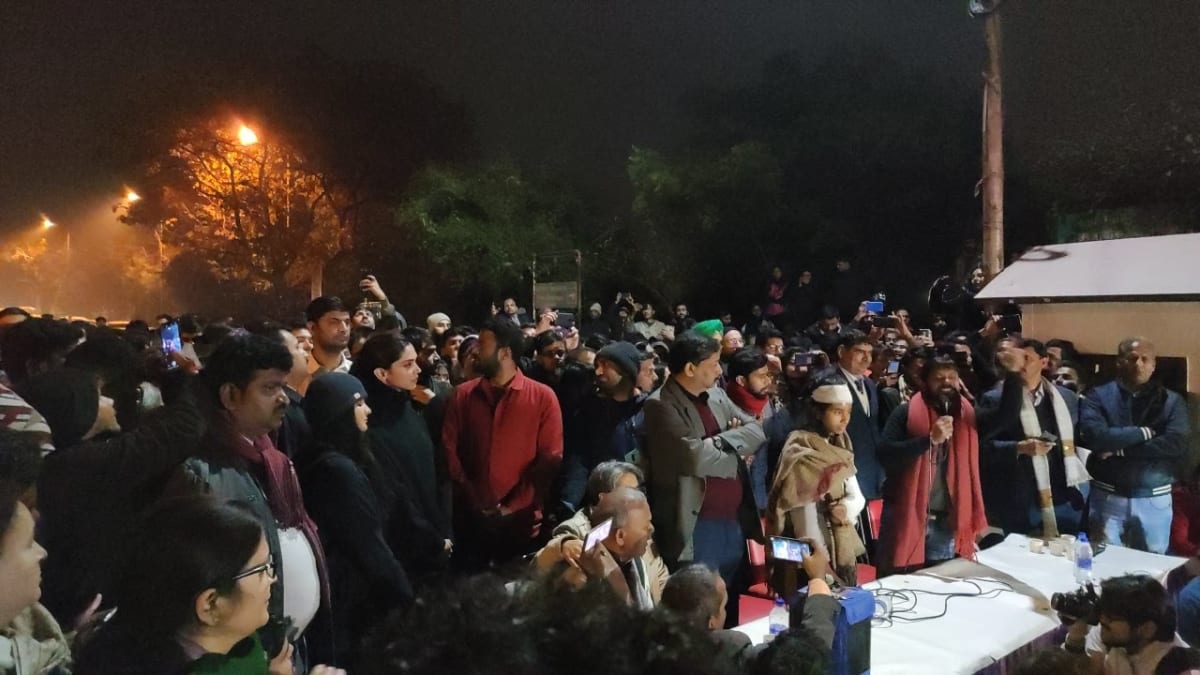
Student unions across JNU erupted in protest soon after the dismissal announcement. The All India Students’ Federation (AISF) organized a sit‑in at the university’s administrative block, demanding an independent external probe. Simultaneously, the JNU Students’ Union (JNU‑SU) called for a “safe campus” charter, urging the university to strengthen its harassment policies.
Political parties quickly seized the narrative. The ruling Bharatiya Janata Party (BJP) framed the incident as evidence of a “law‑less” campus culture fostered by left‑leaning institutions. Conversely, the Congress party defended the professor, labeling the charges as “politically motivated” attempts to tarnish its image. This dichotomy has amplified the story’s reach on Google Trends, where the query “JNU” spiked to over 200 daily searches within 48 hours of the news break.
 students sit-in JNU administrative block
Media Coverage and Public Discourse
The incident received extensive coverage across national and regional outlets. NDTV’s headline, “‘Your Activity With Boyfriend?’ JNU Flags 9 Charges Against Sacked Professor,” highlighted the sensational aspects of the case, focusing on alleged private messages. The Hindu adopted a more measured tone, emphasizing the procedural aspects of the inquiry and the university’s adherence to statutory obligations. The Indian Express combined both angles, noting the political ramifications alongside the student testimonies.
Social media amplified divergent viewpoints. Hashtags like #JNUHarassment and #AcademicFreedom trended simultaneously, with activists, alumni, and legal experts weighing in. Fact‑check organizations have been called upon to verify claims about the professor’s political affiliations and the authenticity of alleged messages, underscoring the need for responsible journalism in high‑stakes campus scandals.
Implications for Academic Freedom and Campus Safety
The JNU case sits at the intersection of two critical debates:
- Academic Freedom vs. Accountability: Critics argue that swift dismissals risk a chilling effect on scholarly discourse, especially when political affiliations are involved. Proponents contend that no academic privilege should shield individuals from accountability for harassment.
- Policy Reform: The incident has prompted several universities to revisit their ICC structures, ensuring greater independence and representation from neutral experts. The University Grants Commission (UGC) is reportedly drafting revised guidelines to standardize harassment redressal mechanisms nationwide.
Legal scholars predict that the Delhi High Court’s ruling could set a precedent for how Indian higher‑education institutions handle similar complaints, potentially influencing future jurisprudence on workplace harassment within academia.
Editorial Analysis & Future Outlook
The JNU saga is more than a campus scandal; it is a litmus test for India’s evolving standards on gender safety, political neutrality, and institutional accountability. In the short term, we can expect heightened media scrutiny, possible protests, and a legal battle that will draw national attention.
Long‑term, the case could catalyze three major shifts:
- Strengthened Institutional Frameworks – Universities may adopt more robust, transparent ICCs with external oversight to mitigate claims of bias.
- Political Decoupling of Academic Appointments – Parties might reconsider overt affiliations of faculty members to avoid accusations of politicizing education.
- Enhanced Legal Precedents – A decisive High Court verdict could clarify the burden of proof required in harassment cases, balancing victim protection with due process.
Ultimately, the resolution of this case will signal whether Indian academia can safeguard its members while upholding the principles of free inquiry. As the story continues to evolve, stakeholders—from students and faculty to policymakers—must engage in constructive dialogue to ensure that campuses remain spaces of both intellectual vigor and personal safety.
This article is based on verified reports from NDTV, The Hindu, and The Indian Express, and reflects ongoing developments as of October 2026.
Original Reporting & Source: Google Trends (India)

Discussion (0)
Sign in to join the discussion.
No comments yet. Be the first to start the conversation!