Umang Sisodia • • 5 min read • 1 view
Kerala Braces for Torrential Downpours: Orange Alerts in 10 Districts Amid Lightning Threat
Key Takeaways
- Orange alerts issued for 10 districts as heavy rain and lightning warnings loom over the next three hours.
- Meteorological models point to a deep‑low pressure system from the Arabian Sea intensifying the monsoon surge.
- State agencies have activated emergency response teams, but infrastructure gaps raise concerns about flash floods and landslides.
- Long‑term climate patterns suggest such extreme events may become more frequent, demanding stronger urban planning and community resilience.
Situation Overview
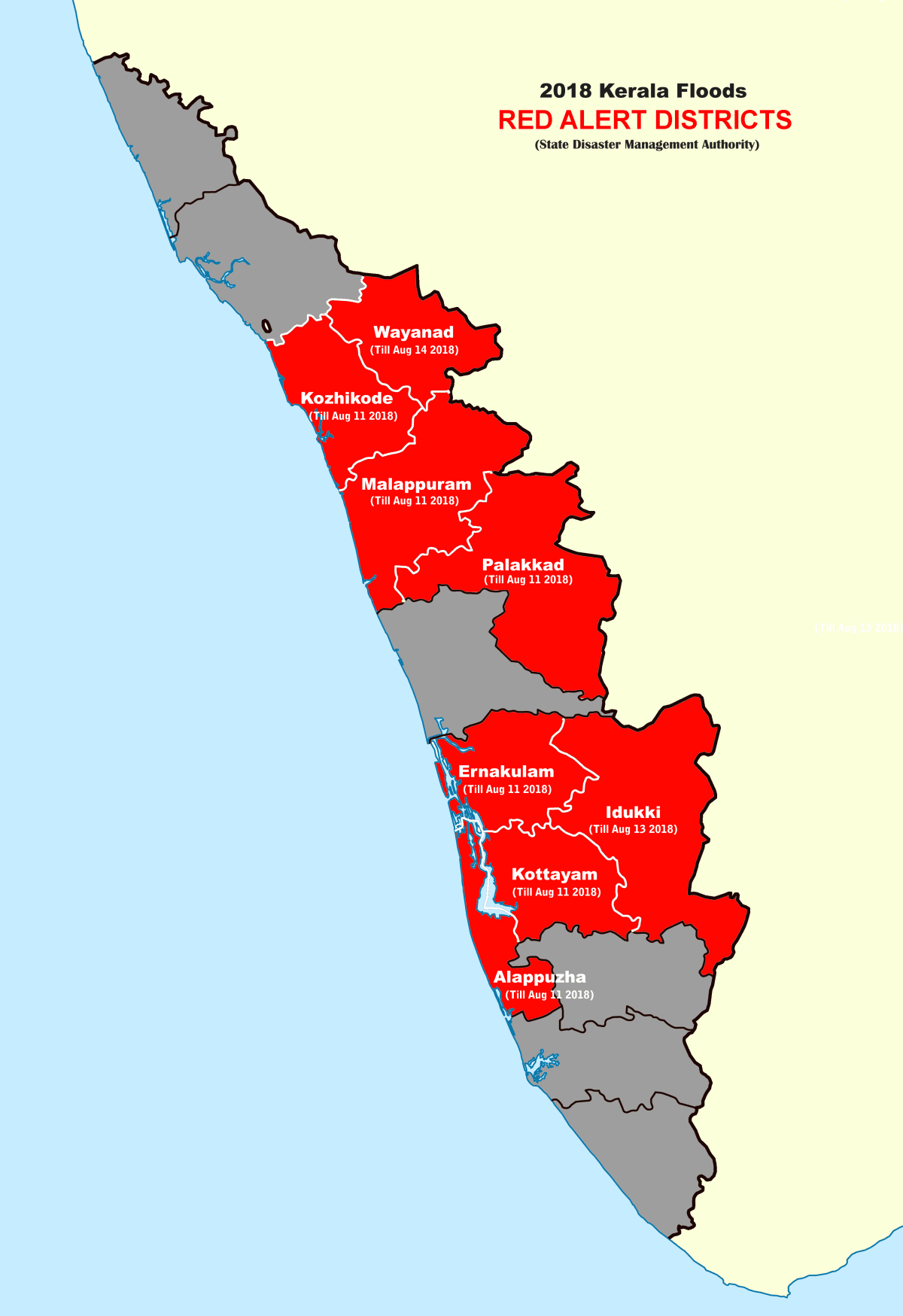
Kerala, the lush coastal state famed for its backwaters and hills, is currently under a severe weather watch. The latest bulletins from the India Meteorological Department (IMD) and local news outlets such as Mathrubhumi, Reporter TV, and Manorama Online confirm that intense rainfall is expected to blanket the state within the next three hours. Ten districts—spanning the coastal belt to the Western Ghats—have been placed under orange alerts, the second‑highest warning level, while a lightning warning has been issued for the same zones.
The alerts cover districts including Kollam, Alappuzha, Thrissur, Palakkad, Kozhikode, Malappuram, Wayanad, Idukki, Kottayam, and Pathanamthitta. Simultaneously, seven districts are already under yellow alerts, indicating moderate but potentially disruptive rain. The situation is fluid, with the IMD forecasting a rapid intensification of the monsoon trough as it moves inland from the Arabian Sea.
Meteorological Factors Behind the Deluge
The current weather pattern is driven by a deep low‑pressure system that has formed over the Arabian Sea. As it drifts eastward, it draws moisture‑laden winds towards the Western Ghats, creating orographic lift—a process where air is forced upward by the mountains, cooling and condensing into heavy precipitation.
Key contributing elements include:
- Sea surface temperature anomalies: Recent satellite data show sea temperatures 1‑2 °C above the seasonal average, providing extra energy for storm development.
- Madden‑Julian Oscillation (MJO): The active phase of the MJO is currently positioned over the Indian Ocean, enhancing convective activity.
- Local topography: The state's narrow coastal plain quickly funnels moisture into the highlands, amplifying rainfall intensity.
These factors combine to produce localized thunderstorms, which explain the concurrent lightning warning. The IMD's short‑range models predict rainfall totals of 150‑200 mm in the most vulnerable districts within a six‑hour window—a volume capable of triggering flash floods and landslides.
Impact on Affected Districts
Coastal and Low‑Lying Areas
Districts like Kollam and Alappuzha face the dual threat of riverine flooding and storm surge. The Pamba and Periyar rivers are already running above the danger level, and the surge could inundate agricultural fields, disrupt fishery activities, and damage low‑lying infrastructure.
Hill and Plateau Regions
In the Western Ghats, districts such as Idukki, Wayanad, and Palakkad are prone to landslides due to steep slopes and deforested patches. The recent heavy rains have saturated the soil, raising the risk of sudden slope failures that could cut off road access and endanger lives.
Urban Centers
Cities like Kochi, Thrissur, and Kozhikode may experience urban flash floods as drainage systems become overwhelmed. Past events have shown that clogged drains and unplanned construction exacerbate waterlogging, turning even moderate rains into disruptive events.
Government Response and Alerts
The Kerala State Disaster Management Authority (KSDMA) has activated its Emergency Operations Centre (EOC). Key actions include:
- Deployment of NDRF teams to high‑risk zones for rapid rescue.
- Pre‑positioning of sandbags and portable pumps in vulnerable neighborhoods.
- Issuing real‑time alerts via the Kerala State Disaster Management mobile app and local radio stations.
- Closing schools and public offices in the most affected districts until the threat subsides.
The orange alert signifies that authorities anticipate significant rainfall (100‑150 mm) within 24 hours, potentially causing damage to life and property. Residents are urged to avoid non‑essential travel, keep emergency kits ready, and stay tuned to official updates.
Public Reaction and Preparedness
Social media platforms, especially Twitter and WhatsApp groups, have seen a surge in community-driven information sharing. Residents post real‑time photos of water levels, road blockages, and rescue operations. Local NGOs are coordinating volunteer shelters and distributing dry food kits to displaced families.
However, challenges persist:
- Misinformation about the severity of the alerts can lead to panic or complacency.
- Infrastructure gaps, particularly in remote hill villages, limit evacuation routes.
- Climate fatigue: Repeated monsoon extremes have led some communities to underestimate warnings, assuming they can “ride out” the storm.
Editorial Analysis & Future Outlook
Kerala’s current predicament underscores a broader climate resilience dilemma facing Indian states that sit at the intersection of coastal and mountainous geographies. While the immediate response—alert issuance, rescue deployment, and community mobilization—is commendable, the pattern of recurrent extreme rainfall suggests that reactive measures alone will be insufficient.
Long‑term strategies must prioritize:
- Integrated watershed management: Restoring forest cover in the Western Ghats can reduce runoff speed, lowering landslide and flash‑flood risks.
- Urban drainage upgrades: Investing in permeable pavements and larger storm‑water conduits will mitigate waterlogging in cities.
- Early‑warning technology: Deploying IoT‑based river gauge sensors can provide hyper‑local data, enabling more precise alerts.
- Community‑centric planning: Empowering local panchayats with disaster‑risk funds and training ensures faster, culturally appropriate responses.
If Kerala can translate the lessons from this event into proactive infrastructure and policy reforms, it could serve as a model for other monsoon‑dependent regions. Conversely, failure to adapt may amplify economic losses, disrupt livelihoods, and strain public health systems—particularly as climate projections indicate increased frequency of such high‑intensity rain events.
In the coming weeks, monitoring the post‑rainfall hydrological data will be crucial. The state’s ability to recover quickly, restore essential services, and reinforce vulnerable zones will determine whether this episode is a fleeting crisis or a catalyst for lasting change.
Stay informed, stay safe, and support community initiatives as Kerala navigates this challenging weather episode.
Original Reporting & Source: Google Trends (India)

Discussion (0)
Sign in to join the discussion.
No comments yet. Be the first to start the conversation!