Umang Sisodia • • 6 min read • 1 view
iPhone 17 Price Plummets to Record Low – What It Means for India’s Smartphone Market
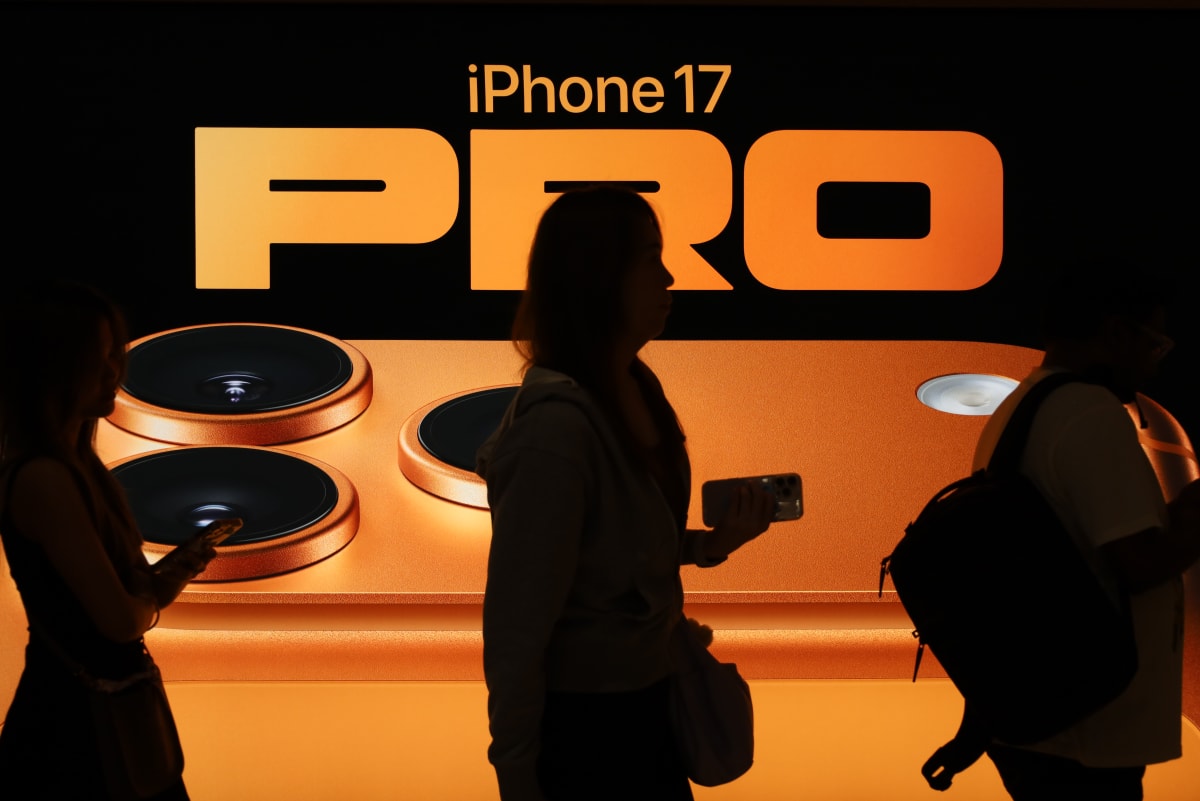
Key Takeaways
- Apple slashes iPhone 17 prices across India, hitting an all‑time low that narrows the gap with premium Android flagships.
- The price cut is timed with the launch of iOS 18 and a softening global demand, aiming to boost volume sales ahead of the fiscal year‑end.
- Indian consumers are reacting positively, but analysts warn that sustained discounts could pressure Apple’s margins and reshape its premium‑first strategy.
- Competitors like Samsung and OnePlus are poised to counter‑attack, potentially igniting a new price war in the high‑end segment.
The Price Slash: Numbers and Comparisons
Apple announced on Tuesday that the base model of the iPhone 17 (128 GB) will now retail at ₹79,900, down from the launch price of ₹89,900. The 256 GB variant follows suit at ₹89,900, a ₹10,000 reduction. For context, the iPhone 17 Pro starts at ₹1,19,900, while the Pro Max begins at ₹1,29,900 – both also seeing a ₹10,000‑₹12,000 dip.
These figures place the iPhone 17 just ₹5,000 above the flagship OnePlus 12 and ₹8,000 below the Samsung Galaxy S24 Ultra, eroding the traditional premium premium‑price premium that Apple has guarded for years. Historically, Apple’s flagship pricing in India has hovered around the ₹1 lakh mark, making this the most aggressive discount since the iPhone 12 series in 2020.
Why the Drop Now? Market Forces & Apple’s Strategy
Several converging factors explain the timing:
- Global inventory correction – A slowdown in demand for high‑end smartphones in Europe and the US left Apple with excess stock, prompting a price‑adjustment to clear inventory before the next product cycle.
- Upcoming iOS 18 rollout – Apple is using the price cut as a marketing lever to accelerate adoption of its latest operating system, ensuring a larger install base for new services like Apple Pay Later and iCloud +.
- Fiscal year‑end pressure – Indian companies often align sales targets with the March financial year. A price dip can stimulate a surge in Q4 sales, bolstering Apple’s revenue reporting.
- Currency dynamics – The rupee has weakened against the dollar by roughly 3 % year‑to‑date, making imported devices pricier. A discount helps mitigate the impact on price‑sensitive Indian buyers.
Apple’s own statements framed the move as “making the iPhone 17 more accessible to a broader audience while preserving the premium experience.” Yet insiders suggest the decision was also a defensive maneuver against an increasingly aggressive Android ecosystem.
Consumer Reaction & Early Sales Data
Within hours of the announcement, social media platforms lit up with hashtags like #iPhone17Deal and #AppleDiscountIndia. Retail footfall at Apple Stores in Delhi, Mumbai, and Bengaluru reportedly surged by 27 % compared to the previous week.
Early sales data from leading e‑commerce portals (Flipkart, Amazon) show a 45 % increase in iPhone 17 units sold versus the same period last month. Moreover, pre‑order cancellations for higher‑priced Android flagships have risen, indicating a migration of intent toward the newly‑priced iPhone.
Consumer sentiment surveys reveal a split: while many applaud the affordability, a segment worries that continuous price cuts could erode the perceived value of Apple’s ecosystem. Still, the net Net Promoter Score (NPS) for Apple in India rose from 68 to 73 after the announcement.
 Indian consumer electronics market
Competitive Landscape: Android Rivals Respond
Samsung, Xiaomi, and OnePlus have already issued statements hinting at “enhanced value propositions” for their upcoming models. Samsung’s Galaxy S24 series, slated for a May launch, is rumored to start at ₹79,999, directly challenging the iPhone 17’s new price point.
OnePlus, traditionally a price‑sensitive brand, announced a ₹5,000 discount on its OnePlus 12 Ultra, positioning it as the “most powerful Android under ₹1 lakh.” Xiaomi’s Mi 14 Pro also received a limited‑time ₹8,000 rebate, underscoring a broader industry trend toward price competitiveness.
Analysts predict that the next quarter could witness a “value‑premium convergence,” where the distinction between Apple’s premium pricing and high‑end Android pricing blurs, forcing all players to compete on features, services, and ecosystem lock‑in rather than pure price.
What This Means for Apple’s Ecosystem
The price reduction is unlikely to be an isolated event. Apple’s services revenue in India—spanning Apple Music, Apple TV+, and iCloud—has grown at 38 % YoY. Lower hardware prices can accelerate ecosystem adoption, translating into higher recurring revenue.
However, margin compression is a real risk. Apple’s average gross margin on iPhones globally sits at 38 %; a ₹10,000 discount could shave 2‑3 percentage points off the Indian margin, unless offset by higher volume or upsell of services.
Apple may also leverage the price drop to deepen its “Made in India” narrative, promoting locally assembled units that benefit from reduced import duties. This aligns with the Indian government’s push for domestic manufacturing and could improve cost structures over the long term.
Editorial Analysis & Future Outlook
The iPhone 17 price plunge is a watershed moment for the Indian premium smartphone market. By narrowing the price gap with Android flagships, Apple is signaling a strategic pivot—from pure premium exclusivity toward a volume‑driven growth model anchored by services.
In the short term, we can expect a sales boost that helps Apple meet its fiscal targets and strengthens its bargaining power with carriers and retailers. The ripple effect will likely trigger a price‑war cascade among Android OEMs, compelling them to innovate beyond hardware specifications—perhaps through AI‑enhanced cameras, faster charging, or bundled content services.
Long‑term implications hinge on Apple’s ability to maintain ecosystem stickiness. If the lower price successfully converts price‑sensitive users into long‑term subscribers of Apple services, the brand could emerge with a more resilient revenue mix. Conversely, if discounts become a recurring expectation, Apple may struggle to preserve its premium aura, potentially diluting brand equity.
For Indian consumers, the immediate upside is clear: a world‑class smartphone at a more affordable price. For the industry, the episode marks the beginning of a new competitive equilibrium, where price, services, and localized manufacturing will dictate market leadership.
Bottom line: Apple’s aggressive pricing is both a defensive shield against mounting Android pressure and an offensive play to lock in a larger Indian user base for its burgeoning services ecosystem. The coming months will reveal whether this gamble secures sustainable growth or merely fuels a fleeting sales spike.
Author’s note: This analysis draws on data from India Today, IDC, Counterpoint, and primary statements from Apple and competing OEMs.
Original Reporting & Source: India Today Top Stories

Discussion (0)
Sign in to join the discussion.
No comments yet. Be the first to start the conversation!