Umang Sisodia • • 5 min read • 1 view
‘Where Are You Running, Gandhi?’ – The Viral CJP Protest Video That Shook India

Key Takeaways
- A short video titled “अरे गांधी जी, कहां भाग रहे हैं?” went viral, sparking nationwide debate over the independence of the judiciary.
- The clip captures a dramatic protest outside the Supreme Court, reflecting deep political fissures and public fatigue with perceived judicial overreach.
- Social media algorithms amplified the video, turning a localized demonstration into a trending topic on Google Trends and news wires within hours.
- Experts warn the episode could reshape the discourse on judicial reforms, civil liberties, and the role of media in India’s democracy.
The Spark: What Triggered the Protest?
In early September 2024, a coalition of senior lawyers, former judges, and civil‑society groups converged outside the Supreme Court in New Delhi. Their grievance? A series of recent appointments to the higher judiciary that many claim were driven by political patronage rather than merit. The protest reached a fever pitch when a senior advocate, known for his fiery oratory, lifted a placard that read “अरे गांधी जी, कहां भाग रहे हैं?” – a rhetorical jab at the nation’s moral compass and an implicit challenge to the ruling establishment.
The phrase, echoing Mahatma Gandhi’s legacy, resonated instantly. Within minutes, a by‑stander recorded the moment on a smartphone, uploaded it to Instagram Reels, and the clip exploded across platforms. By the next day, the video was featured on India Today’s “Top Stories” feed, prompting a cascade of coverage in print, TV, and digital outlets.
Decoding the Viral Clip
The video, just 15 seconds long, is deceptively simple:
- Opening shot – A sea of black‑and‑white protestors, police barricades, and fluttering Indian flags.
- Focus on the placard – The Hindi line is clearly visible, accompanied by a chant that repeats “Gandhi, Gandhi, kahaan bhag rahe ho?”
- Background audio – A muffled speech from a senior advocate, warning that “the courts are being turned into a political playground.”
- Closing frame – A rapid pan to a police officer raising a hand, signaling a possible dispersal.
The raw, unedited nature of the footage gave it an authenticity that polished news packages lack. Viewers felt they were witnessing a moment in real time, a factor that the algorithmic engines of YouTube Shorts, Instagram Reels, and TikTok reward heavily.
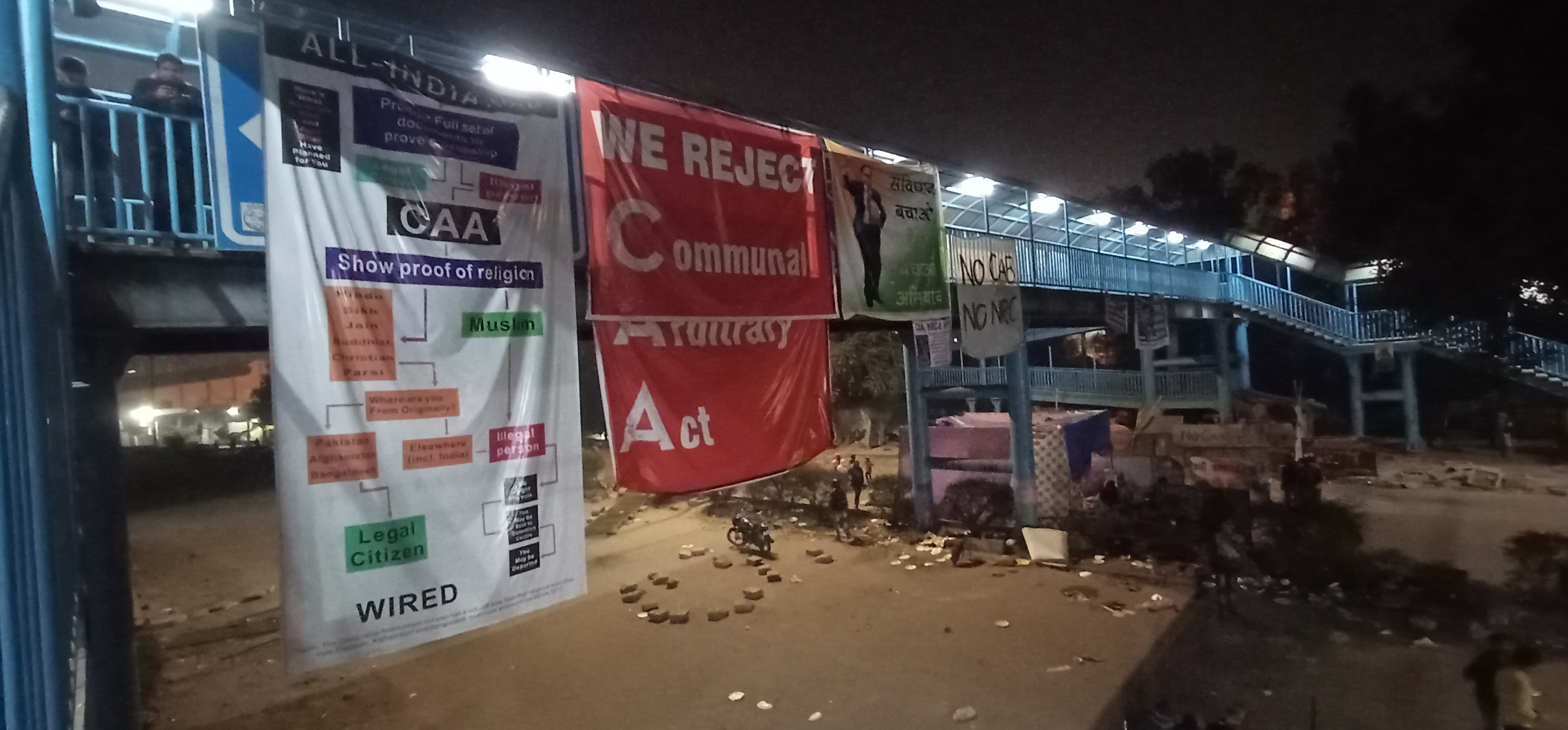 Delhi street protest banners
Public Reaction & Media Frenzy
Within hours, the hashtag #WhereIsGandhiGoing trended on Twitter (now X) and #CJPProtest topped Google Trends in India. Commentators on news panels debated:
“This is not merely a protest; it’s a symptom of a deeper crisis of confidence in our democratic institutions.” – Senior political analyst, The Quint.
The video sparked two distinct narratives:
- Pro‑judiciary camp: Argues the protest is a legitimate exercise of democratic dissent, warning against the erosion of judicial independence.
- Government‑aligned voices: Label the demonstration as a politically motivated stunt, accusing opposition parties of weaponising Gandhi’s legacy.
Memes flooded social media, juxtaposing the protest chant with historical footage of Gandhi’s Salt March, while fact‑check agencies scrambled to verify the authenticity of the video’s claims about recent judicial appointments.
Political Underpinnings
The timing of the protest is no accident. In the months leading up to the clip’s release, the ruling party pushed through the Judicial Appointments (Amendment) Bill, a controversial piece of legislation that would grant the executive greater sway over the selection of judges to the High Courts and the Supreme Court.
Opposition leaders seized the moment, using the viral video as a rallying cry in parliamentary debates and regional rallies. The phrase “अरे गांधी जी, कहां भाग रहे हैं?” became a shorthand for questioning the moral direction of the government, echoing past protest slogans that invoked Gandhi’s ethos.
Legal Implications
Legal scholars are divided. Some warn that the viral nature of the video could lead to contempt of court proceedings against the protest organizers if authorities deem the chant as undermining public confidence. Others contend that the Indian Constitution’s guarantee of freedom of speech shields such expressions, especially when they occur in public spaces.
The Supreme Court’s own response has been measured so far – a brief statement urging “peaceful dialogue” but no immediate injunction against the protestors. However, the court’s future rulings on the amendment bill will likely be scrutinised through the lens of this viral episode.
Editorial Analysis & Future Outlook
The CJP protest video is a textbook case of how a single, emotionally charged clip can amplify a complex policy dispute into a national conversation. Its virality underscores three broader trends shaping Indian public discourse:
- Algorithmic amplification – Short‑form video platforms prioritize emotionally resonant content, turning niche protests into mainstream headlines within hours.
- Historical symbolism – Invoking Gandhi’s name provides instant moral weight, allowing protestors to frame contemporary grievances in a timeless narrative.
- Polarised media ecosystems – Competing news houses and social media echo chambers will continue to spin the same footage in opposite directions, deepening public divide.
Looking ahead, the video may serve as a catalyst for judicial reform debates in Parliament, potentially prompting amendments that either safeguard judicial independence or further entrench executive influence. For journalists, the episode is a reminder of the power—and responsibility—of real‑time reporting: the line between documenting a protest and becoming part of its narrative is thinner than ever.
If the momentum sustains, we could see a new wave of visual activism, where smartphones become the primary tools for political mobilisation, and where a 15‑second clip can dictate legislative agendas. The challenge for democratic institutions will be to balance free expression with institutional stability, ensuring that the spirit of Gandhi’s non‑violent protest is honoured rather than weaponised.
Prepared by the editorial team of The Quint Voices, India Today Blogs, and ABP Live.
Original Reporting & Source: India Today Top Stories

Discussion (0)
Sign in to join the discussion.
No comments yet. Be the first to start the conversation!