Umang Sisodia • • 6 min read • 1 view

Boudhi Gandaki Flood Alert in Nepal: Evacuations, Missing Persons & Rising Tensions
Listen to Article
Select a voice and press play
Boudhi Gandaki Flood Alert in Nepal: Evacuations, Missing Persons & Rising Tensions

Key Takeaways

  • Heavy rains have caused the Boudhi Gandaki River in central Nepal to swell, prompting urgent flood alerts and evacuation orders.
  • At least four people are reported missing, while dozens of homes and bridges have been swept away, disrupting connectivity for remote villages.
  • The disaster underscores Nepal’s growing vulnerability to climate‑induced flash floods and the urgent need for robust early‑warning and infrastructure upgrades.
  • Relief agencies are mobilising rescue teams, but logistical challenges in the rugged terrain hinder swift assistance.

The Situation on the Ground

The monsoon season, which typically peaks between July and September, has turned especially violent this year. According to the latest reports from Jagran and Dainik Bhaskar, the Boudhi Gandaki River — a tributary of the larger Gandaki system that flows through the central districts of Gorkha and Lamjung — burst its banks after days of relentless downpour.

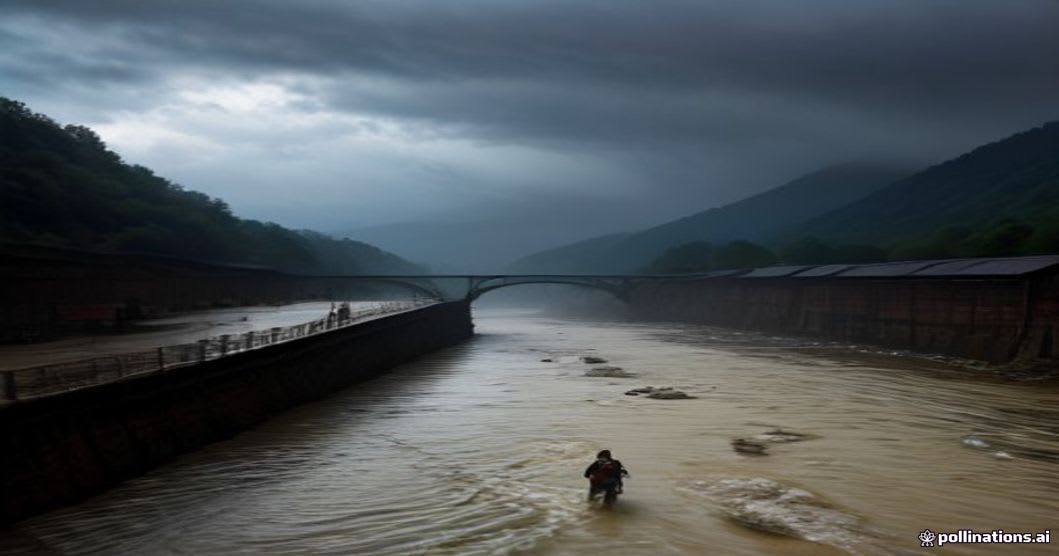
Villagers describe water levels rising by more than three meters within hours, submerging low‑lying homes, agricultural fields, and several makeshift wooden bridges that serve as the only lifelines between hamlets. The floodwaters have not only destroyed physical structures but also washed away essential supplies, leaving families in a precarious state.

"We heard the roar of the river early this morning and saw the water rushing over the footbridge. We had to climb the hill with our children and livestock," said Ram Bahadur, a resident of a riverside village near Boudhi Gandaki.

The local administration, in coordination with Nepal’s National Disaster Risk Reduction and Management Authority (NDRRMA), issued an immediate flood alert, urging residents to relocate to higher ground. Emergency shelters have been set up in schools and community centres on elevated terrain, but the capacity is limited, and many families remain stranded.

Casualties, Missing Persons & Property Damage

The initial casualty count stands at four confirmed missing persons, with several others injured by debris or hypothermia. Rescue teams, comprising Nepal Police, the Armed Police Force, and local volunteers, are combing through flooded zones using inflatable boats and rope‑ladders.

According to AajTak, the flood has damaged or completely washed away at least 12 bridges and over 30 houses in the affected districts. Roads that connect remote villages to district headquarters are now impassable, hampering the delivery of food, medicine, and rescue equipment.

The economic impact, though still being assessed, is likely to be severe. Agriculture, the main livelihood for the region, suffers when fields are inundated for weeks, eroding soil fertility and destroying crops that were nearing harvest.

The query "नेपाल" spiked on Google Trends in India, crossing the 200‑search threshold, primarily because the flood news quickly crossed borders via Indian media houses such as Jagran and AajTak. Several factors contributed to the surge:

  1. Cross‑border cultural ties – Millions of Nepali speakers reside in India’s border states, prompting immediate interest.
  2. Human‑interest angle – Images of families climbing hills with livestock and children in makeshift shelters resonated strongly on social platforms.
  3. Climate‑change narrative – The flood adds to a growing catalogue of extreme weather events in South Asia, feeding into broader discussions about climate resilience.

The combination of visual storytelling, real‑time updates, and the emotional appeal of vulnerable communities created a perfect storm for online virality.

Historical Context: Floods in the Gandaki Basin

The Gandaki River basin has a long history of flash floods, often triggered by sudden glacial lake outburst floods (GLOFs) and intense monsoon rains. In 2014, a similar event in the same region claimed dozens of lives and prompted the Nepali government to launch a River Basin Management program.

However, despite these initiatives, many villages remain under‑prepared due to:

  • Inadequate early‑warning infrastructure – Many remote settlements lack functional sirens or mobile alerts.
  • Aging bridge structures – Many bridges were built decades ago with limited engineering standards, making them susceptible to collapse under high water pressure.
  • Deforestation – Upstream logging has reduced natural water absorption, accelerating runoff during heavy rains.

The current disaster highlights the gaps that still exist between policy and on‑ground implementation.

Relief Operations & Challenges

The Nepalese government has activated its National Emergency Operation Centre (NEOC), dispatching over 150 rescue personnel, 20 inflatable boats, and essential medical kits to the affected districts. International NGOs, including the International Red Cross and World Vision, have pledged assistance, focusing on:

  • Providing temporary shelters and clean drinking water.
  • Conducting search‑and‑rescue missions for the missing.
  • Distributing food rations to displaced families.

Logistical challenges are formidable. The rugged topography, combined with washed‑out roads, forces rescuers to rely on foot patrols and helicopter drops in some cases. Moreover, the monsoon clouds persist, limiting aerial visibility and delaying relief flights.

Community Resilience & Local Initiatives

Despite the devastation, local communities have displayed remarkable resilience. Villagers have organised self‑help groups to clear debris, reinforce temporary shelters, and share scarce resources. In some hamlets, youth volunteers have set up makeshift communication hubs using mobile phones and two‑way radios to coordinate evacuation routes.

These grassroots efforts underscore the importance of community‑driven disaster preparedness, a lesson that policymakers are beginning to heed.

Looking Ahead: Mitigation & Long‑Term Strategies

The Boudhi Gandaki flood serves as a stark reminder that Nepal’s flood‑prone regions require a multi‑pronged approach:

  1. Enhanced Early‑Warning Systems – Deploying solar‑powered sirens and mobile SMS alerts in remote villages.
  2. Infrastructure Upgrades – Replacing vulnerable wooden bridges with steel or reinforced concrete structures designed to withstand higher flow rates.
  3. Watershed Management – Implementing afforestation programs upstream to increase water retention and reduce rapid runoff.
  4. Community Training – Conducting regular disaster drills and first‑aid training for villagers, especially women and youth.

Investing in these areas could dramatically reduce casualties and economic losses in future monsoon seasons.


Editorial Analysis & Future Outlook

The Boudhi Gandaki flood is more than a localized calamity; it is a micro‑cosm of the climate‑driven challenges confronting the Himalayan region. As global temperatures rise, the intensity of monsoon rains is projected to increase, making flash floods a recurrent threat.

From an editorial standpoint, this event illustrates the power of cross‑border media ecosystems. Indian audiences, already attuned to Nepali affairs, amplified the story through social platforms, driving both humanitarian attention and policy discourse. The narrative also reinforces the urgency for trans‑national collaboration on climate adaptation, especially given the shared river basins that traverse India, Nepal, and Bangladesh.

In the next 12‑18 months, we can expect:

  • Policy Momentum – The Nepali government may fast‑track its National Flood Management Plan, seeking financial and technical support from the World Bank and Asian Development Bank.
  • Technological Adoption – Greater use of satellite‑based flood forecasting and community‑level IoT sensors could become standard practice.
  • Media Evolution – Real‑time, on‑the‑ground reporting via citizen journalists and drone footage will likely become a staple in covering such disasters, offering richer visual context for global audiences.

Ultimately, the resilience of Nepal’s hill communities will hinge on a blend of modern engineering, traditional knowledge, and sustained international solidarity. The Boudhi Gandaki flood, while tragic, may catalyse the long‑overdue investments needed to safeguard lives and livelihoods against an increasingly volatile climate.


Original Reporting & Source: Google Trends (India)

Discussion (0)

Sign in to join the discussion.

No comments yet. Be the first to start the conversation!

| |

Boudhi Gandaki Flood Alert in Nepal: Evacuations, Missing Persons & Rising Tensions

By Umang Sisodia • 6 min read • 1 view

Key Takeaways

  • Heavy rains have caused the Boudhi Gandaki River in central Nepal to swell, prompting urgent flood alerts and evacuation orders.
  • At least four people are reported missing, while dozens of homes and bridges have been swept away, disrupting connectivity for remote villages.
  • The disaster underscores Nepal’s growing vulnerability to climate‑induced flash floods and the urgent need for robust early‑warning and infrastructure upgrades.
  • Relief agencies are mobilising rescue teams, but logistical challenges in the rugged terrain hinder swift assistance.

The Situation on the Ground

The monsoon season, which typically peaks between July and September, has turned especially violent this year. According to the latest reports from Jagran and Dainik Bhaskar, the Boudhi Gandaki River — a tributary of the larger Gandaki system that flows through the central districts of Gorkha and Lamjung — burst its banks after days of relentless downpour.

Villagers describe water levels rising by more than three meters within hours, submerging low‑lying homes, agricultural fields, and several makeshift wooden bridges that serve as the only lifelines between hamlets. The floodwaters have not only destroyed physical structures but also washed away essential supplies, leaving families in a precarious state.

"We heard the roar of the river early this morning and saw the water rushing over the footbridge. We had to climb the hill with our children and livestock," said Ram Bahadur, a resident of a riverside village near Boudhi Gandaki.

The local administration, in coordination with Nepal’s National Disaster Risk Reduction and Management Authority (NDRRMA), issued an immediate flood alert, urging residents to relocate to higher ground. Emergency shelters have been set up in schools and community centres on elevated terrain, but the capacity is limited, and many families remain stranded.

Casualties, Missing Persons & Property Damage

The initial casualty count stands at four confirmed missing persons, with several others injured by debris or hypothermia. Rescue teams, comprising Nepal Police, the Armed Police Force, and local volunteers, are combing through flooded zones using inflatable boats and rope‑ladders.

According to AajTak, the flood has damaged or completely washed away at least 12 bridges and over 30 houses in the affected districts. Roads that connect remote villages to district headquarters are now impassable, hampering the delivery of food, medicine, and rescue equipment.

The economic impact, though still being assessed, is likely to be severe. Agriculture, the main livelihood for the region, suffers when fields are inundated for weeks, eroding soil fertility and destroying crops that were nearing harvest.

The query "नेपाल" spiked on Google Trends in India, crossing the 200‑search threshold, primarily because the flood news quickly crossed borders via Indian media houses such as Jagran and AajTak. Several factors contributed to the surge:

  1. Cross‑border cultural ties – Millions of Nepali speakers reside in India’s border states, prompting immediate interest.
  2. Human‑interest angle – Images of families climbing hills with livestock and children in makeshift shelters resonated strongly on social platforms.
  3. Climate‑change narrative – The flood adds to a growing catalogue of extreme weather events in South Asia, feeding into broader discussions about climate resilience.

The combination of visual storytelling, real‑time updates, and the emotional appeal of vulnerable communities created a perfect storm for online virality.

Historical Context: Floods in the Gandaki Basin

The Gandaki River basin has a long history of flash floods, often triggered by sudden glacial lake outburst floods (GLOFs) and intense monsoon rains. In 2014, a similar event in the same region claimed dozens of lives and prompted the Nepali government to launch a River Basin Management program.

However, despite these initiatives, many villages remain under‑prepared due to:

  • Inadequate early‑warning infrastructure – Many remote settlements lack functional sirens or mobile alerts.
  • Aging bridge structures – Many bridges were built decades ago with limited engineering standards, making them susceptible to collapse under high water pressure.
  • Deforestation – Upstream logging has reduced natural water absorption, accelerating runoff during heavy rains.

The current disaster highlights the gaps that still exist between policy and on‑ground implementation.

Relief Operations & Challenges

The Nepalese government has activated its National Emergency Operation Centre (NEOC), dispatching over 150 rescue personnel, 20 inflatable boats, and essential medical kits to the affected districts. International NGOs, including the International Red Cross and World Vision, have pledged assistance, focusing on:

  • Providing temporary shelters and clean drinking water.
  • Conducting search‑and‑rescue missions for the missing.
  • Distributing food rations to displaced families.

Logistical challenges are formidable. The rugged topography, combined with washed‑out roads, forces rescuers to rely on foot patrols and helicopter drops in some cases. Moreover, the monsoon clouds persist, limiting aerial visibility and delaying relief flights.

Community Resilience & Local Initiatives

Despite the devastation, local communities have displayed remarkable resilience. Villagers have organised self‑help groups to clear debris, reinforce temporary shelters, and share scarce resources. In some hamlets, youth volunteers have set up makeshift communication hubs using mobile phones and two‑way radios to coordinate evacuation routes.

These grassroots efforts underscore the importance of community‑driven disaster preparedness, a lesson that policymakers are beginning to heed.

Looking Ahead: Mitigation & Long‑Term Strategies

The Boudhi Gandaki flood serves as a stark reminder that Nepal’s flood‑prone regions require a multi‑pronged approach:

  1. Enhanced Early‑Warning Systems – Deploying solar‑powered sirens and mobile SMS alerts in remote villages.
  2. Infrastructure Upgrades – Replacing vulnerable wooden bridges with steel or reinforced concrete structures designed to withstand higher flow rates.
  3. Watershed Management – Implementing afforestation programs upstream to increase water retention and reduce rapid runoff.
  4. Community Training – Conducting regular disaster drills and first‑aid training for villagers, especially women and youth.

Investing in these areas could dramatically reduce casualties and economic losses in future monsoon seasons.


Editorial Analysis & Future Outlook

The Boudhi Gandaki flood is more than a localized calamity; it is a micro‑cosm of the climate‑driven challenges confronting the Himalayan region. As global temperatures rise, the intensity of monsoon rains is projected to increase, making flash floods a recurrent threat.

From an editorial standpoint, this event illustrates the power of cross‑border media ecosystems. Indian audiences, already attuned to Nepali affairs, amplified the story through social platforms, driving both humanitarian attention and policy discourse. The narrative also reinforces the urgency for trans‑national collaboration on climate adaptation, especially given the shared river basins that traverse India, Nepal, and Bangladesh.

In the next 12‑18 months, we can expect:

  • Policy Momentum – The Nepali government may fast‑track its National Flood Management Plan, seeking financial and technical support from the World Bank and Asian Development Bank.
  • Technological Adoption – Greater use of satellite‑based flood forecasting and community‑level IoT sensors could become standard practice.
  • Media Evolution – Real‑time, on‑the‑ground reporting via citizen journalists and drone footage will likely become a staple in covering such disasters, offering richer visual context for global audiences.

Ultimately, the resilience of Nepal’s hill communities will hinge on a blend of modern engineering, traditional knowledge, and sustained international solidarity. The Boudhi Gandaki flood, while tragic, may catalyse the long‑overdue investments needed to safeguard lives and livelihoods against an increasingly volatile climate.


Original Reporting & Source: Google Trends (India)