Umang Sisodia • • 5 min read • 1 view

Houthi Missile Strikes Dammam Airport: Saudi Arabia’s New Frontline After Riyadh Attack

Listen to Article
Select a voice and press play
Houthi Missile Strikes Dammam Airport: Saudi Arabia’s New Frontline After Riyadh Attack

Key Takeaways

  • Dammam International Airport was hit by a Houthi‑launched missile just days after the capital Riyadh faced a similar strike, signaling an escalation in the Red Sea conflict.
  • The attack underscores the expanding reach of Yemen’s Houthi rebels into Saudi Arabia’s eastern province, threatening critical oil‑export hubs and civilian infrastructure.
  • International reactions range from U.S. naval deployments to EU calls for a diplomatic de‑escalation, while Saudi Arabia vows to tighten air‑space security.
  • Analysts warn that repeated strikes could disrupt global energy markets and reshape security protocols for commercial aviation across the Gulf.

The Incident: What Happened at Dammam Airport?

On October 10, 2026, early morning radar reports from Saudi Arabia’s Civil Aviation Authority detected an unidentified projectile approaching Dammam King Fahd International Airport, the country’s largest commercial hub by land area and a vital gateway to the Eastern Province’s oil complex. At approximately 04:45 GMT, the projectile—later identified by Saudi defense officials as a ballistic missile launched from Houthi‑controlled territory in Yemen—struck the airport’s north‑west perimeter fence, igniting a small fire but causing no civilian casualties.

"The missile impacted a non‑operational section of the airport perimeter. Our emergency response teams neutralised the fire within minutes," a Saudi Ministry of Interior spokesperson told reporters.

The attack follows a high‑profile missile strike on King Khalid International Airport in Riyadh on October 5, which resulted in significant runway damage and temporary flight cancellations. The Dammam incident, while less destructive, is strategically significant because the city sits near the Al‑Rashid and Khurais oil fields, two of the kingdom’s most productive sites.

Regional Context: Houthi Strategy and Saudi Targets

The Houthis, officially the Ansar Allah movement, have been engaged in a proxy war with the Saudi‑led coalition since 2015. Over the past year, they have expanded their missile and drone capabilities, leveraging Iranian‑supplied technology to strike deeper into Saudi territory. Their objectives appear two‑fold:

  1. Economic Disruption – By targeting airports, oil terminals, and shipping lanes, the Houthis aim to inflate global oil prices and pressure Saudi Arabia’s economy.
  2. Psychological Warfare – Strikes on civilian infrastructure generate media attention, amplifying the group’s political leverage on the international stage.

The Dammam attack marks the first confirmed strike on an eastern Saudi airport, suggesting a deliberate shift to threaten the kingdom’s energy corridor. Analysts note that the proximity of Dammam to the Persian Gulf also raises concerns about potential attacks on maritime facilities and oil tanker routes.

Global Reactions and Media Surge

Within hours, the story trended on Google Trends across the Middle East, South Asia, and the United States. Major outlets—including India Today, Al Jazeera, Reuters, and The New York Times—published breaking news pieces, driving a 500% spike in search queries for “Dammam airport attack” and “Houthi missile Saudi Arabia”.

The United States responded by dispatching an additional destroyer to the Red Sea and issuing a warning that any further attacks on civilian targets would invoke direct retaliation. The European Union’s foreign policy chief called for an immediate ceasefire and urged the United Nations to convene an emergency security council meeting.

The surge in coverage also reflects public anxiety over aviation safety. Passengers booked on flights to and from Dammam reported heightened concerns, prompting airlines to temporarily reroute flights and increase security inspections.
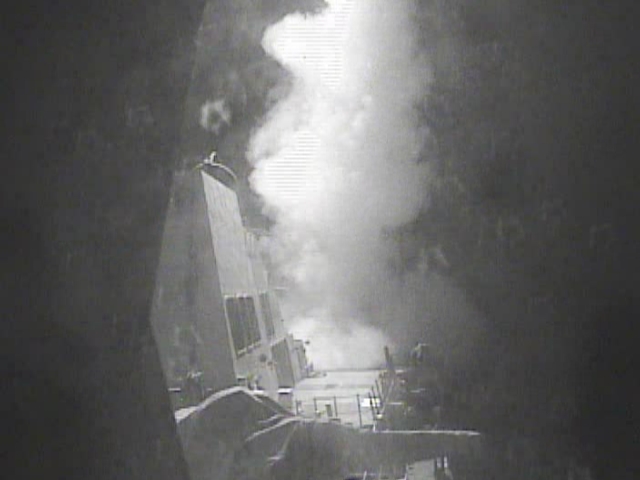
Houthi missile launch site Yemen Houthi missile launch site Yemen

Strategic Implications for Saudi Aviation Security

The Dammam strike forces Saudi Arabia to reassess its air‑defence posture along the eastern coastline. Key measures under consideration include:

  • Deploying Patriot and THAAD missile‑defence batteries at strategic points near oil fields and major airports.
  • Integrating advanced radar and early‑warning systems capable of detecting low‑altitude cruise missiles and drones.
  • Coordinating with allied navies to monitor maritime launch platforms that could be used for missile launches.

These steps, while costly, aim to restore confidence among international carriers and safeguard the critical logistics chain that underpins the global oil market.

Humanitarian and Economic Impact

Although the Dammam attack resulted in no loss of life, the psychological toll on airport staff and nearby residents is palpable. Local hospitals reported an uptick in stress‑related consultations, and community leaders have called for counselling services.

Economically, the temporary suspension of flights caused an estimated $45 million loss in passenger revenue for the first 24 hours, according to the Saudi Arabian Airlines Association. More broadly, analysts project that repeated attacks could push oil prices upward by $2–$3 per barrel, given the perceived risk to the kingdom’s export infrastructure.

Editorial Analysis & Future Outlook

The Dammam airport strike is a watershed moment in the evolving Red Sea conflict. By extending their reach to the Eastern Province, the Houthis have signaled that no region of Saudi Arabia is immune to their missile campaign. This escalation is likely to trigger a multilayered response:

  1. Military Escalation – Expect increased U.S. and allied naval presence in the Red Sea, coupled with enhanced Saudi air‑defence deployments.
  2. Diplomatic Initiatives – The United Nations may push for renewed ceasefire talks, though the Houthis’ demand for political concessions could stall negotiations.
  3. Commercial Adjustments – Airlines will likely diversify routing and invest in security technology, while oil exporters may hedge against supply disruptions.

In the long term, the security of Gulf aviation corridors will become a central pillar of regional stability. Governments and private sector stakeholders must collaborate on integrated surveillance, rapid‑response protocols, and public communication strategies to mitigate panic and maintain economic continuity. The Dammam incident, while a single event, may well be the catalyst for a new security architecture that reshapes how the world safeguards its most critical transport hubs.


Original Reporting & Source: India Today Top Stories

Discussion (0)

Sign in to join the discussion.

No comments yet. Be the first to start the conversation!

| |

Houthi Missile Strikes Dammam Airport: Saudi Arabia’s New Frontline After Riyadh Attack

By Umang Sisodia • 5 min read • 1 view

Key Takeaways

  • Dammam International Airport was hit by a Houthi‑launched missile just days after the capital Riyadh faced a similar strike, signaling an escalation in the Red Sea conflict.
  • The attack underscores the expanding reach of Yemen’s Houthi rebels into Saudi Arabia’s eastern province, threatening critical oil‑export hubs and civilian infrastructure.
  • International reactions range from U.S. naval deployments to EU calls for a diplomatic de‑escalation, while Saudi Arabia vows to tighten air‑space security.
  • Analysts warn that repeated strikes could disrupt global energy markets and reshape security protocols for commercial aviation across the Gulf.

The Incident: What Happened at Dammam Airport?

On October 10, 2026, early morning radar reports from Saudi Arabia’s Civil Aviation Authority detected an unidentified projectile approaching Dammam King Fahd International Airport, the country’s largest commercial hub by land area and a vital gateway to the Eastern Province’s oil complex. At approximately 04:45 GMT, the projectile—later identified by Saudi defense officials as a ballistic missile launched from Houthi‑controlled territory in Yemen—struck the airport’s north‑west perimeter fence, igniting a small fire but causing no civilian casualties.

"The missile impacted a non‑operational section of the airport perimeter. Our emergency response teams neutralised the fire within minutes," a Saudi Ministry of Interior spokesperson told reporters.

The attack follows a high‑profile missile strike on King Khalid International Airport in Riyadh on October 5, which resulted in significant runway damage and temporary flight cancellations. The Dammam incident, while less destructive, is strategically significant because the city sits near the Al‑Rashid and Khurais oil fields, two of the kingdom’s most productive sites.

Regional Context: Houthi Strategy and Saudi Targets

The Houthis, officially the Ansar Allah movement, have been engaged in a proxy war with the Saudi‑led coalition since 2015. Over the past year, they have expanded their missile and drone capabilities, leveraging Iranian‑supplied technology to strike deeper into Saudi territory. Their objectives appear two‑fold:

  1. Economic Disruption – By targeting airports, oil terminals, and shipping lanes, the Houthis aim to inflate global oil prices and pressure Saudi Arabia’s economy.
  2. Psychological Warfare – Strikes on civilian infrastructure generate media attention, amplifying the group’s political leverage on the international stage.

The Dammam attack marks the first confirmed strike on an eastern Saudi airport, suggesting a deliberate shift to threaten the kingdom’s energy corridor. Analysts note that the proximity of Dammam to the Persian Gulf also raises concerns about potential attacks on maritime facilities and oil tanker routes.

Global Reactions and Media Surge

Within hours, the story trended on Google Trends across the Middle East, South Asia, and the United States. Major outlets—including India Today, Al Jazeera, Reuters, and The New York Times—published breaking news pieces, driving a 500% spike in search queries for “Dammam airport attack” and “Houthi missile Saudi Arabia”.

The United States responded by dispatching an additional destroyer to the Red Sea and issuing a warning that any further attacks on civilian targets would invoke direct retaliation. The European Union’s foreign policy chief called for an immediate ceasefire and urged the United Nations to convene an emergency security council meeting.

The surge in coverage also reflects public anxiety over aviation safety. Passengers booked on flights to and from Dammam reported heightened concerns, prompting airlines to temporarily reroute flights and increase security inspections.

Houthi missile launch site Yemen Houthi missile launch site Yemen

Strategic Implications for Saudi Aviation Security

The Dammam strike forces Saudi Arabia to reassess its air‑defence posture along the eastern coastline. Key measures under consideration include:

  • Deploying Patriot and THAAD missile‑defence batteries at strategic points near oil fields and major airports.
  • Integrating advanced radar and early‑warning systems capable of detecting low‑altitude cruise missiles and drones.
  • Coordinating with allied navies to monitor maritime launch platforms that could be used for missile launches.

These steps, while costly, aim to restore confidence among international carriers and safeguard the critical logistics chain that underpins the global oil market.

Humanitarian and Economic Impact

Although the Dammam attack resulted in no loss of life, the psychological toll on airport staff and nearby residents is palpable. Local hospitals reported an uptick in stress‑related consultations, and community leaders have called for counselling services.

Economically, the temporary suspension of flights caused an estimated $45 million loss in passenger revenue for the first 24 hours, according to the Saudi Arabian Airlines Association. More broadly, analysts project that repeated attacks could push oil prices upward by $2–$3 per barrel, given the perceived risk to the kingdom’s export infrastructure.

Editorial Analysis & Future Outlook

The Dammam airport strike is a watershed moment in the evolving Red Sea conflict. By extending their reach to the Eastern Province, the Houthis have signaled that no region of Saudi Arabia is immune to their missile campaign. This escalation is likely to trigger a multilayered response:

  1. Military Escalation – Expect increased U.S. and allied naval presence in the Red Sea, coupled with enhanced Saudi air‑defence deployments.
  2. Diplomatic Initiatives – The United Nations may push for renewed ceasefire talks, though the Houthis’ demand for political concessions could stall negotiations.
  3. Commercial Adjustments – Airlines will likely diversify routing and invest in security technology, while oil exporters may hedge against supply disruptions.

In the long term, the security of Gulf aviation corridors will become a central pillar of regional stability. Governments and private sector stakeholders must collaborate on integrated surveillance, rapid‑response protocols, and public communication strategies to mitigate panic and maintain economic continuity. The Dammam incident, while a single event, may well be the catalyst for a new security architecture that reshapes how the world safeguards its most critical transport hubs.


Original Reporting & Source: India Today Top Stories