Umang Sisodia • • 6 min read • 1 view

Bangla Sahib Row: Sikh Sentiments Hurt as Protesters and Police Clash Over Gurdwara Intrusion
Listen to Article
Select a voice and press play
Bangla Sahib Row: Sikh Sentiments Hurt as Protesters and Police Clash Over Gurdwara Intrusion

Key Takeaways

  • The Gurdwara body at Delhi's Bangla Sahib questioned both protesters and police for breaching the sanctity of the holy site.
  • Political fallout is intensifying, with the Delhi Sikh Gurdwara Management Committee (DSGMC) filing a formal complaint against Chief Minister Arvind Kejriwal.
  • The incident has reignited a long‑standing debate on the limits of political activism within religious spaces and the role of law enforcement.
  • Experts warn that unchecked politicisation of sacred sites could deepen communal fissures and impact future electoral dynamics.

Background: Bangla Sahib’s Symbolic Weight

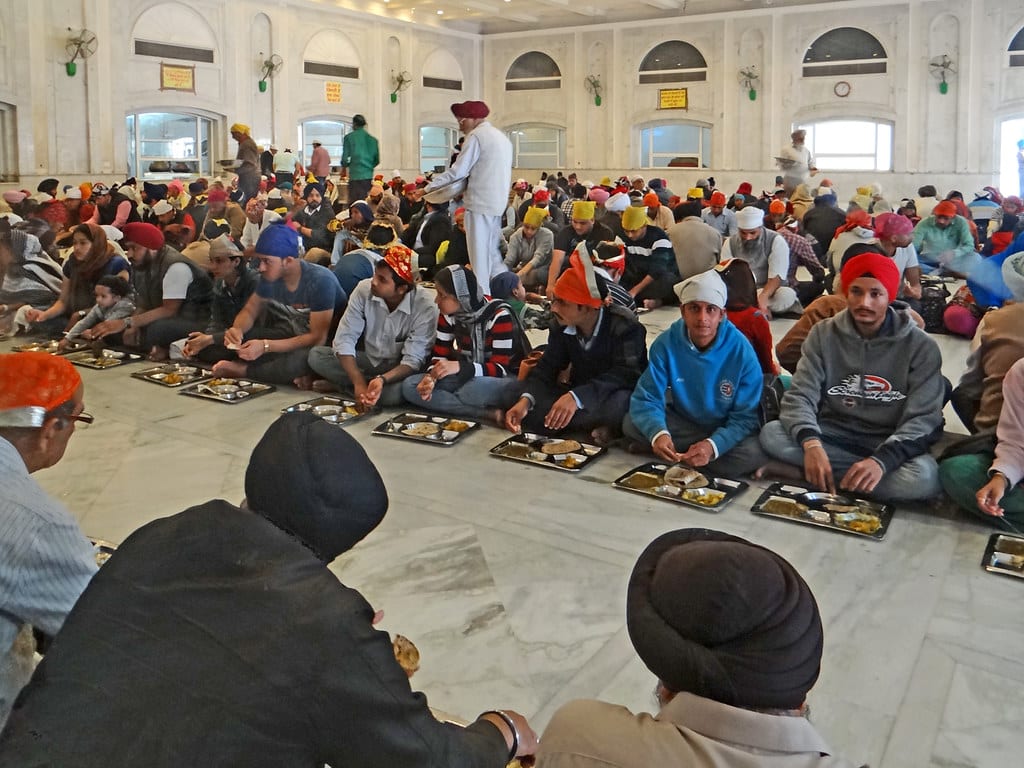
Bangla Sahib, perched on the banks of the Yamuna, is one of the most revered Sikh shrines in the national capital. Its golden dome, sprawling langar hall, and the ever‑flowing water tank (Sarovar) attract thousands of devotees daily. Beyond its spiritual significance, the gurdwara has historically been a flashpoint for political discourse, given its proximity to power corridors in New Delhi.

In recent weeks, a series of protests over the alleged “anti‑Christian” Education Commission (CEC) policies spiralled into a broader confrontation. Activists, citing perceived marginalisation of minority religious sentiments, converged on Bangla Sahib to stage a sit‑in. The police, tasked with maintaining law and order, responded with a cordon that many worshippers deemed intrusive.

What Triggered the Protest?

The immediate catalyst was a viral video circulating on social media showing a group of young activists chanting slogans against the central government's educational reforms. The footage was captured just outside the gurdwara’s main gate, where a police barricade had been erected. The activists claimed that the reforms threatened the cultural autonomy of minority communities, including Sikhs, while the police argued that the barricade was a precautionary measure to prevent crowd crushes.

The protest quickly escalated when senior members of the DSGMC, the statutory body that administers Bangla Sahib, entered the scene. They demanded that both the police and the protesters vacate the premises, asserting that the sanctity of the shrine was being compromised.

Police Response and the Controversy

Delhi Police, led by the Commissioner, issued a statement that the cordon was placed “to ensure public safety and to prevent any damage to the heritage structure.” However, eyewitness accounts suggest that officers used batons to disperse a small group of demonstrators, leading to minor injuries and a wave of anger among the faithful.

The police later released footage showing that the protestors had attempted to breach the inner sanctum, prompting a “necessary” response. Critics argue that the footage was selectively edited and that the force used was disproportionate to the threat.

Political Repercussions: DSGMC vs. Kejriwal

The DSGMC, chaired by Gurcharan Singh, filed a formal complaint against Chief Minister Arvind Kejriwal, alleging that his administration had indirectly encouraged the protest by providing a platform to dissenting voices. The complaint, lodged at the Delhi Police headquarters, cites “unlawful intrusion” and “disrespect to Sikh religious sentiments.”

Kejriwal’s Aam Aadmi Party (AAP) has dismissed the allegations as “political theatrics,” insisting that the government respects all faiths and that the police acted within the law. The episode has, however, given opposition parties a fresh ammunition to question the AAP’s handling of law‑and‑order issues.

Public Reaction: A Divided Narrative

Social media platforms lit up with polarized opinions. On Twitter, hashtags like #BanglaSahibRow and #SikhSentimentsHurt trended for over 48 hours. Many Sikh community leaders expressed disappointment, urging both the police and activists to “respect the sanctity of the gurdwara.” Conversely, civil‑rights activists argued that the protest was a legitimate expression of dissent against policies they view as discriminatory.

Local newspapers, including The Times of India and NDTV, ran op‑eds highlighting the delicate balance between freedom of speech and protection of religious sites. Editorials called for a “transparent inquiry” and emphasized the need for a “clear protocol” when handling protests at heritage and religious landmarks.

Indian law provides specific protections for places of worship under the Ancient Monuments and Archaeological Sites and Remains Act, as well as the Protection of Religion Act. Previous court rulings, such as the 2017 Supreme Court decision on the Ayodhya dispute, have underscored the judiciary’s willingness to intervene when religious sentiments are perceived to be under threat.

Legal experts suggest that the DSGMC’s complaint could lead to a judicial review of police protocols, especially if evidence surfaces that the barricade was set up without proper consultation with the shrine’s management committee.

Comparative Perspective: Global Parallels

The Bangla Sahib incident mirrors similar flashpoints worldwide, where protestors have used religious sites as platforms for political messaging. In 2022, the Hagia Sophia in Istanbul witnessed a series of demonstrations that sparked debates over secularism and religious heritage. Such parallels underline a universal challenge: safeguarding sacred spaces while accommodating democratic dissent.

Editorial Analysis & Future Outlook

The Bangla Sahib row is more than a localized clash; it is a microcosm of India’s evolving secular‑religious dynamics. As political parties increasingly court religious identities for electoral gains, the risk of sacred sites becoming battlegrounds rises.

Short‑term implications include heightened scrutiny of police conduct, possible disciplinary actions, and a pending judicial inquiry that could set a precedent for future protest management at religious venues. The DSGMC’s legal move may also embolden other religious bodies to seek redress through courts rather than informal negotiations.

Long‑term ramifications could reshape the discourse around freedom of assembly in India. If courts rule in favour of stricter safeguards for places of worship, activists may pivot to alternative venues, potentially diluting the impact of street‑level protests. Conversely, a lax judicial stance could encourage more frequent incursions into holy sites, risking communal harmony.

Stakeholders—government, law‑enforcement, religious institutions, and civil society—must collaborate on a clear, transparent framework that delineates the boundaries of protest activities in and around religious landmarks. Such a protocol would not only protect heritage structures but also uphold democratic freedoms, preventing future incidents from spiralling into larger communal confrontations.

In essence, the Bangla Sahib episode serves as a cautionary tale: when political rhetoric collides with religious reverence, the fallout reverberates far beyond the immediate precincts, influencing policy, public perception, and the very fabric of India’s pluralistic identity.


Original Reporting & Source: Google Trends (India)

Discussion (0)

Sign in to join the discussion.

No comments yet. Be the first to start the conversation!

| |

Bangla Sahib Row: Sikh Sentiments Hurt as Protesters and Police Clash Over Gurdwara Intrusion

By Umang Sisodia • 6 min read • 1 view

Key Takeaways

  • The Gurdwara body at Delhi's Bangla Sahib questioned both protesters and police for breaching the sanctity of the holy site.
  • Political fallout is intensifying, with the Delhi Sikh Gurdwara Management Committee (DSGMC) filing a formal complaint against Chief Minister Arvind Kejriwal.
  • The incident has reignited a long‑standing debate on the limits of political activism within religious spaces and the role of law enforcement.
  • Experts warn that unchecked politicisation of sacred sites could deepen communal fissures and impact future electoral dynamics.

Background: Bangla Sahib’s Symbolic Weight

Bangla Sahib, perched on the banks of the Yamuna, is one of the most revered Sikh shrines in the national capital. Its golden dome, sprawling langar hall, and the ever‑flowing water tank (Sarovar) attract thousands of devotees daily. Beyond its spiritual significance, the gurdwara has historically been a flashpoint for political discourse, given its proximity to power corridors in New Delhi.

In recent weeks, a series of protests over the alleged “anti‑Christian” Education Commission (CEC) policies spiralled into a broader confrontation. Activists, citing perceived marginalisation of minority religious sentiments, converged on Bangla Sahib to stage a sit‑in. The police, tasked with maintaining law and order, responded with a cordon that many worshippers deemed intrusive.

What Triggered the Protest?

The immediate catalyst was a viral video circulating on social media showing a group of young activists chanting slogans against the central government's educational reforms. The footage was captured just outside the gurdwara’s main gate, where a police barricade had been erected. The activists claimed that the reforms threatened the cultural autonomy of minority communities, including Sikhs, while the police argued that the barricade was a precautionary measure to prevent crowd crushes.

The protest quickly escalated when senior members of the DSGMC, the statutory body that administers Bangla Sahib, entered the scene. They demanded that both the police and the protesters vacate the premises, asserting that the sanctity of the shrine was being compromised.

Police Response and the Controversy

Delhi Police, led by the Commissioner, issued a statement that the cordon was placed “to ensure public safety and to prevent any damage to the heritage structure.” However, eyewitness accounts suggest that officers used batons to disperse a small group of demonstrators, leading to minor injuries and a wave of anger among the faithful.

The police later released footage showing that the protestors had attempted to breach the inner sanctum, prompting a “necessary” response. Critics argue that the footage was selectively edited and that the force used was disproportionate to the threat.

Political Repercussions: DSGMC vs. Kejriwal

The DSGMC, chaired by Gurcharan Singh, filed a formal complaint against Chief Minister Arvind Kejriwal, alleging that his administration had indirectly encouraged the protest by providing a platform to dissenting voices. The complaint, lodged at the Delhi Police headquarters, cites “unlawful intrusion” and “disrespect to Sikh religious sentiments.”

Kejriwal’s Aam Aadmi Party (AAP) has dismissed the allegations as “political theatrics,” insisting that the government respects all faiths and that the police acted within the law. The episode has, however, given opposition parties a fresh ammunition to question the AAP’s handling of law‑and‑order issues.

Public Reaction: A Divided Narrative

Social media platforms lit up with polarized opinions. On Twitter, hashtags like #BanglaSahibRow and #SikhSentimentsHurt trended for over 48 hours. Many Sikh community leaders expressed disappointment, urging both the police and activists to “respect the sanctity of the gurdwara.” Conversely, civil‑rights activists argued that the protest was a legitimate expression of dissent against policies they view as discriminatory.

Local newspapers, including The Times of India and NDTV, ran op‑eds highlighting the delicate balance between freedom of speech and protection of religious sites. Editorials called for a “transparent inquiry” and emphasized the need for a “clear protocol” when handling protests at heritage and religious landmarks.

Indian law provides specific protections for places of worship under the Ancient Monuments and Archaeological Sites and Remains Act, as well as the Protection of Religion Act. Previous court rulings, such as the 2017 Supreme Court decision on the Ayodhya dispute, have underscored the judiciary’s willingness to intervene when religious sentiments are perceived to be under threat.

Legal experts suggest that the DSGMC’s complaint could lead to a judicial review of police protocols, especially if evidence surfaces that the barricade was set up without proper consultation with the shrine’s management committee.

Comparative Perspective: Global Parallels

The Bangla Sahib incident mirrors similar flashpoints worldwide, where protestors have used religious sites as platforms for political messaging. In 2022, the Hagia Sophia in Istanbul witnessed a series of demonstrations that sparked debates over secularism and religious heritage. Such parallels underline a universal challenge: safeguarding sacred spaces while accommodating democratic dissent.

Editorial Analysis & Future Outlook

The Bangla Sahib row is more than a localized clash; it is a microcosm of India’s evolving secular‑religious dynamics. As political parties increasingly court religious identities for electoral gains, the risk of sacred sites becoming battlegrounds rises.

Short‑term implications include heightened scrutiny of police conduct, possible disciplinary actions, and a pending judicial inquiry that could set a precedent for future protest management at religious venues. The DSGMC’s legal move may also embolden other religious bodies to seek redress through courts rather than informal negotiations.

Long‑term ramifications could reshape the discourse around freedom of assembly in India. If courts rule in favour of stricter safeguards for places of worship, activists may pivot to alternative venues, potentially diluting the impact of street‑level protests. Conversely, a lax judicial stance could encourage more frequent incursions into holy sites, risking communal harmony.

Stakeholders—government, law‑enforcement, religious institutions, and civil society—must collaborate on a clear, transparent framework that delineates the boundaries of protest activities in and around religious landmarks. Such a protocol would not only protect heritage structures but also uphold democratic freedoms, preventing future incidents from spiralling into larger communal confrontations.

In essence, the Bangla Sahib episode serves as a cautionary tale: when political rhetoric collides with religious reverence, the fallout reverberates far beyond the immediate precincts, influencing policy, public perception, and the very fabric of India’s pluralistic identity.


Original Reporting & Source: Google Trends (India)