Umang Sisodia • • 6 min read • 1 view

Delhi-NCR Under Red Alert: Western Disturbance Triggers Torrential Rain and Urban Flooding
Listen to Article
Select a voice and press play
Delhi-NCR Under Red Alert: Western Disturbance Triggers Torrential Rain and Urban Flooding

Key Takeaways

  • A rare western disturbance has unleashed heavy rain across Delhi‑NCR, prompting a red alert for the first time this monsoon season.
  • Flood‑prone neighborhoods, major highways and the Delhi Metro faced severe disruptions, highlighting chronic urban drainage gaps.
  • Authorities mobilised emergency services, but the event underscores the need for climate‑resilient infrastructure and real‑time public alert systems.
  • Experts link the intensity of the downpour to shifting monsoon patterns and climate change, forecasting more frequent urban flooding in the capital.

The Weather Event Unfolds

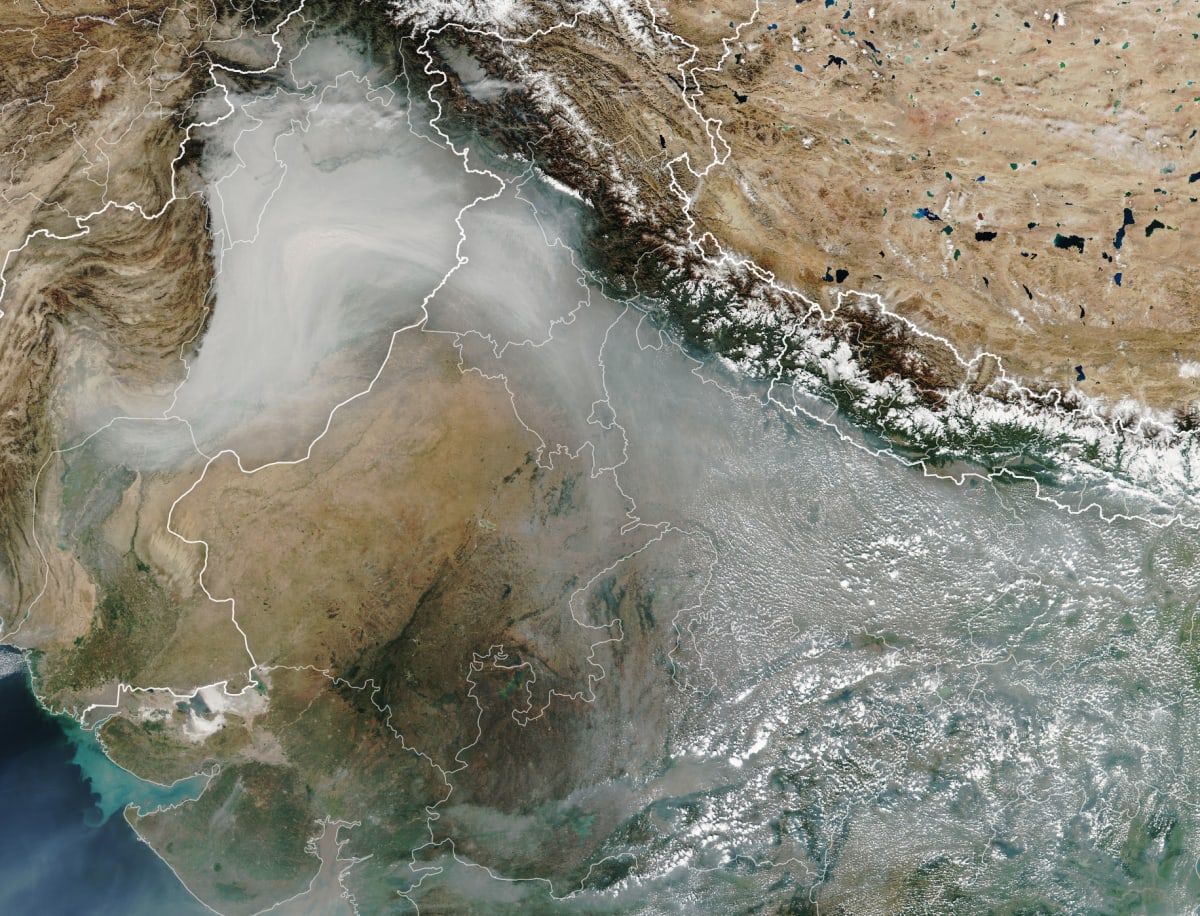
On the early morning of 28 September 2026, a deep‑lying western disturbance moved eastward across the Himalayas, colliding with the retreating monsoon trough over the Indo‑Gangetic plain. Satellite imagery showed a massive band of high‑altitude moisture converging over the Delhi‑NCR region, spawning intense convective cells that dumped over 120 mm of rain within six hours – a figure usually reserved for the peak monsoon months.

Meteorological departments issued a red alert at 04:30 IST, the highest level of weather warning, signalling “extreme danger to life and property.” The alert triggered automatic sirens across the city, flash‑SMS messages to mobile users, and a live broadcast on Doordarshan and private news channels.

Impact on the Cityscape

The deluge turned Delhi’s arterial roads into rivers. Ashram Marg, Ring Road, and the Delhi‑Gurgaon Expressway were submerged under 30‑40 cm of water, bringing traffic to a standstill. The Delhi Metro’s Yellow Line and Red Line services were suspended between stations, stranding thousands of commuters. In residential pockets like Laxmi Nagar, Saket, and Rohini, water entered basements, ground‑floor apartments and even the underground parking of malls.

Local businesses suffered losses as power cuts swept across the city. Markets in Chandni Chowk and Karol Bagh reported water‑logged stalls, while street vendors struggled to protect perishable goods. The Delhi Police reported over 150 road accidents within the first three hours, many involving vehicles that lost traction on slick surfaces.
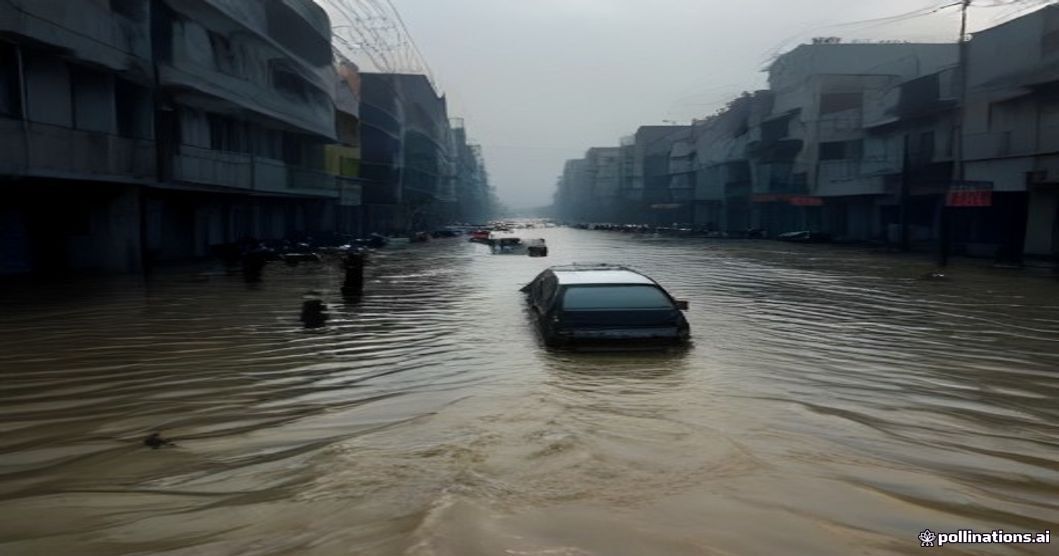
Delhi flood-affected streets Delhi flood-affected streets

Ground Realities: Floods, Traffic, and Public Response

The immediate response from Delhi’s residents was a mix of resilience and panic. Social media platforms exploded with real‑time videos of water gushing through Gurgaon’s Cyber Hub, families wading through ankle‑deep water with makeshift wooden planks, and volunteers forming human chains to rescue stranded commuters.

Key Observations

  • Emergency shelters were set up at schools and community halls in East Delhi, providing dry blankets and dry food packets.
  • Rescue teams from the National Disaster Response Force (NDRF) deployed inflatable boats and high‑speed pumps at critical choke points.
  • Citizen journalism surged, with TikTok and Instagram reels documenting the chaos, amplifying the urgency of the situation.

Government and Agencies' Response

The Delhi Government activated the Disaster Management Act, coordinating between the Metropolitan Commissioner, Delhi Police, Delhi Fire Service, and the Indian Meteorological Department (IMD). Key actions included:

  1. Deployment of 200+ rescue personnel equipped with high‑capacity pumps.
  2. Opening of 15 relief camps offering medical aid, dry food, and temporary shelter.
  3. Real‑time traffic diversion via the Delhi Traffic Police’s mobile app, redirecting vehicles away from flooded corridors.
  4. Immediate inspection of drainage systems, with a promise to clear clogged nullahs and upgrade storm‑water infrastructure.

Despite these measures, critics pointed out the slow clearance of debris in the Najafgarh drain, a chronic bottleneck that exacerbated waterlogging.

The combination of a red‑alert weather warning, massive social media activity, and widespread disruption created a perfect storm for digital curiosity. Google Trends recorded a 220% spike in searches for terms like “Delhi rain red alert,” “western disturbance Delhi,” and “Delhi flood live updates** within a 12‑hour window.

Key drivers of the online surge:

  • Real‑time alerts pushed by the IMD’s official Twitter handle.
  • Live streaming of flooded streets by local news channels.
  • Public safety concerns, prompting citizens to search for evacuation routes, shelter locations, and weather forecasts.

Expert Opinions on Climate Patterns

Climatologists from the Indian Institute of Tropical Meteorology (IITM) and World Weather Attribution (WWA) weighed in, noting that western disturbances are becoming more erratic due to Arctic warming and shifts in jet‑stream dynamics. Dr. Ananya Sharma, a senior researcher at IITM, explained:

“The interaction between a lingering western disturbance and an early‑season monsoon trough can produce extreme precipitation events. In a warming climate, such interactions are likely to intensify, especially over densely populated basins like the Delhi‑NCR.

Furthermore, a recent WWA report highlighted that urban heat islands amplify convective activity, making cities more susceptible to flash floods.

Lessons Learned and Policy Recommendations

  1. Modernising Drainage – Accelerate the Delhi Drainage Revamp Project to clear clogged nullahs and integrate smart sensors for real‑time water level monitoring.
  2. Smart Alert Systems – Expand geo‑fenced SMS alerts and integrate AI‑driven predictive models for earlier warnings.
  3. Resilient Urban Planning – Enforce stricter building codes that mandate raised plinth levels and permeable pavements in flood‑prone zones.
  4. Community Preparedness – Conduct regular mock drills, especially in schools and commercial complexes, to educate citizens on evacuation protocols.

Editorial Analysis & Future Outlook

The September deluge is a stark reminder that Delhi’s rapid urbanisation has outpaced its capacity to manage extreme weather. While the red alert was a necessary precaution, the city’s infrastructure lag turned a meteorological event into a humanitarian challenge.

Looking ahead, climate models project increased frequency of western disturbances colliding with an erratic monsoon, potentially delivering double‑digit rainfall in short bursts. If the capital does not invest in adaptive infrastructure, future episodes could see wider economic losses, heightened public health risks, and amplified social inequities.

In the long term, a holistic approach—combining climate‑smart urban design, robust early‑warning systems, and community engagement—will be pivotal. Delhi’s experience can serve as a case study for other megacities across the Global South facing similar climate‑driven challenges.

The rain that lashed Delhi‑NCR this week may have receded, but the imperative to build a resilient city has never been clearer.


Original Reporting & Source: India Today Top Stories

Discussion (0)

Sign in to join the discussion.

No comments yet. Be the first to start the conversation!

| |

Delhi-NCR Under Red Alert: Western Disturbance Triggers Torrential Rain and Urban Flooding

By Umang Sisodia • 6 min read • 1 view

Key Takeaways

  • A rare western disturbance has unleashed heavy rain across Delhi‑NCR, prompting a red alert for the first time this monsoon season.
  • Flood‑prone neighborhoods, major highways and the Delhi Metro faced severe disruptions, highlighting chronic urban drainage gaps.
  • Authorities mobilised emergency services, but the event underscores the need for climate‑resilient infrastructure and real‑time public alert systems.
  • Experts link the intensity of the downpour to shifting monsoon patterns and climate change, forecasting more frequent urban flooding in the capital.

The Weather Event Unfolds

On the early morning of 28 September 2026, a deep‑lying western disturbance moved eastward across the Himalayas, colliding with the retreating monsoon trough over the Indo‑Gangetic plain. Satellite imagery showed a massive band of high‑altitude moisture converging over the Delhi‑NCR region, spawning intense convective cells that dumped over 120 mm of rain within six hours – a figure usually reserved for the peak monsoon months.

Meteorological departments issued a red alert at 04:30 IST, the highest level of weather warning, signalling “extreme danger to life and property.” The alert triggered automatic sirens across the city, flash‑SMS messages to mobile users, and a live broadcast on Doordarshan and private news channels.

Impact on the Cityscape

The deluge turned Delhi’s arterial roads into rivers. Ashram Marg, Ring Road, and the Delhi‑Gurgaon Expressway were submerged under 30‑40 cm of water, bringing traffic to a standstill. The Delhi Metro’s Yellow Line and Red Line services were suspended between stations, stranding thousands of commuters. In residential pockets like Laxmi Nagar, Saket, and Rohini, water entered basements, ground‑floor apartments and even the underground parking of malls.

Local businesses suffered losses as power cuts swept across the city. Markets in Chandni Chowk and Karol Bagh reported water‑logged stalls, while street vendors struggled to protect perishable goods. The Delhi Police reported over 150 road accidents within the first three hours, many involving vehicles that lost traction on slick surfaces.

Delhi flood-affected streets Delhi flood-affected streets

Ground Realities: Floods, Traffic, and Public Response

The immediate response from Delhi’s residents was a mix of resilience and panic. Social media platforms exploded with real‑time videos of water gushing through Gurgaon’s Cyber Hub, families wading through ankle‑deep water with makeshift wooden planks, and volunteers forming human chains to rescue stranded commuters.

Key Observations

  • Emergency shelters were set up at schools and community halls in East Delhi, providing dry blankets and dry food packets.
  • Rescue teams from the National Disaster Response Force (NDRF) deployed inflatable boats and high‑speed pumps at critical choke points.
  • Citizen journalism surged, with TikTok and Instagram reels documenting the chaos, amplifying the urgency of the situation.

Government and Agencies' Response

The Delhi Government activated the Disaster Management Act, coordinating between the Metropolitan Commissioner, Delhi Police, Delhi Fire Service, and the Indian Meteorological Department (IMD). Key actions included:

  1. Deployment of 200+ rescue personnel equipped with high‑capacity pumps.
  2. Opening of 15 relief camps offering medical aid, dry food, and temporary shelter.
  3. Real‑time traffic diversion via the Delhi Traffic Police’s mobile app, redirecting vehicles away from flooded corridors.
  4. Immediate inspection of drainage systems, with a promise to clear clogged nullahs and upgrade storm‑water infrastructure.

Despite these measures, critics pointed out the slow clearance of debris in the Najafgarh drain, a chronic bottleneck that exacerbated waterlogging.

The combination of a red‑alert weather warning, massive social media activity, and widespread disruption created a perfect storm for digital curiosity. Google Trends recorded a 220% spike in searches for terms like “Delhi rain red alert,” “western disturbance Delhi,” and “Delhi flood live updates** within a 12‑hour window.

Key drivers of the online surge:

  • Real‑time alerts pushed by the IMD’s official Twitter handle.
  • Live streaming of flooded streets by local news channels.
  • Public safety concerns, prompting citizens to search for evacuation routes, shelter locations, and weather forecasts.

Expert Opinions on Climate Patterns

Climatologists from the Indian Institute of Tropical Meteorology (IITM) and World Weather Attribution (WWA) weighed in, noting that western disturbances are becoming more erratic due to Arctic warming and shifts in jet‑stream dynamics. Dr. Ananya Sharma, a senior researcher at IITM, explained:

“The interaction between a lingering western disturbance and an early‑season monsoon trough can produce extreme precipitation events. In a warming climate, such interactions are likely to intensify, especially over densely populated basins like the Delhi‑NCR.

Furthermore, a recent WWA report highlighted that urban heat islands amplify convective activity, making cities more susceptible to flash floods.

Lessons Learned and Policy Recommendations

  1. Modernising Drainage – Accelerate the Delhi Drainage Revamp Project to clear clogged nullahs and integrate smart sensors for real‑time water level monitoring.
  2. Smart Alert Systems – Expand geo‑fenced SMS alerts and integrate AI‑driven predictive models for earlier warnings.
  3. Resilient Urban Planning – Enforce stricter building codes that mandate raised plinth levels and permeable pavements in flood‑prone zones.
  4. Community Preparedness – Conduct regular mock drills, especially in schools and commercial complexes, to educate citizens on evacuation protocols.

Editorial Analysis & Future Outlook

The September deluge is a stark reminder that Delhi’s rapid urbanisation has outpaced its capacity to manage extreme weather. While the red alert was a necessary precaution, the city’s infrastructure lag turned a meteorological event into a humanitarian challenge.

Looking ahead, climate models project increased frequency of western disturbances colliding with an erratic monsoon, potentially delivering double‑digit rainfall in short bursts. If the capital does not invest in adaptive infrastructure, future episodes could see wider economic losses, heightened public health risks, and amplified social inequities.

In the long term, a holistic approach—combining climate‑smart urban design, robust early‑warning systems, and community engagement—will be pivotal. Delhi’s experience can serve as a case study for other megacities across the Global South facing similar climate‑driven challenges.

The rain that lashed Delhi‑NCR this week may have receded, but the imperative to build a resilient city has never been clearer.


Original Reporting & Source: India Today Top Stories