Umang Sisodia • • 6 min read • 1 view

IAS Prakash Rajpurohit Appointed Deputy Election Commissioner: What It Means for India’s Electoral Landscape
Listen to Article
Select a voice and press play
IAS Prakash Rajpurohit Appointed Deputy Election Commissioner: What It Means for India’s Electoral Landscape

Key Takeaways

  • Prakash Rajpurohit, a senior IAS officer, has been appointed as the new Deputy Election Commissioner (DEC) by the Department of Personnel & Training (DoPT).
  • The appointment comes amid heightened public interest in the Election Commission of India (ECI), reflected by a surge in Google Trends searches for “भारत निर्वाचन आयोग”.
  • Rajpurohit’s extensive experience across Rajasthan, Delhi and other states positions him to steer critical electoral reforms ahead of the 2024 Lok Sabha polls.
  • Stakeholders anticipate a focus on voter‑verification technology, transparent candidate vetting, and strengthening the ECI’s autonomous functioning.

The Indian administrative landscape witnessed a notable shift when the Department of Personnel & Training (DoPT) issued an order appointing IAS officer Prakash Rajpurohit as the new Deputy Election Commissioner. The news quickly trended on Google India, registering over 500 searches for “भारत निर्वाचन आयोग”. Media houses such as Jansatta, Jaipur Times and NewsBytes amplified the story, underscoring the strategic importance of the role ahead of the 2024 general elections.

Who Is Prakash Rajpurohit?

Prakash Rajpurohit hails from the 1998 IAS batch of the Rajasthan cadre. Over a 25‑year career, he has held key positions including:

  • District Collector of Jodhpur and Jaipur, where he spearheaded urban planning and disaster management initiatives.
  • Secretary, Rajasthan Urban Development Ministry, overseeing smart‑city projects and public‑private partnerships.
  • Joint Secretary, Ministry of Home Affairs, handling internal security coordination at the national level.

His reputation is built on a blend of field‑level administration and policy‑making acumen. Colleagues describe him as a “steady hand in crisis” and a “technocrat who values data‑driven governance”.

"Prakash Rajpurohit’s track record of delivering results in complex bureaucratic environments makes him an ideal fit for the Election Commission at a time when credibility and efficiency are paramount," – senior political analyst, The Quint Voices.

The Appointment Process: Why DoPT Matters

The Department of Personnel & Training (DoPT) is the nodal agency for senior civil service appointments. Its order carries legal weight, ensuring that the selection follows the Civil Services (Appointment) Rules, 1955 and the Election Commission (Conditions of Service) Regulations, 1991. The process typically involves:

  1. Shortlisting candidates based on seniority, performance records, and integrity.
  2. Consultations with the Prime Minister’s Office and the Election Commission’s Chairman.
  3. Issuance of an official order by the DoPT, which is then published in the Gazette.

The transparency of this procedure is crucial for public confidence, especially when the ECI’s independence is under scrutiny.

Several factors explain the spike in searches:

  • Upcoming elections: With the Lok Sabha polls slated for 2024, any change in the ECI’s top brass garners attention.
  • Recent controversies: Debates over electronic voting machine (EVM) security and the introduction of Voter‑Verified Paper Audit Trail (VVPAT) have amplified interest in the Commission’s leadership.
  • Media amplification: Headlines in regional Hindi dailies and national portals have created a feedback loop, driving more users to search for background information.

Implications for Upcoming Elections

Strengthening Electoral Integrity

Rajpurohit’s tenure is expected to focus on three core pillars:

  • Technology integration: Accelerating the rollout of biometric voter verification and AI‑assisted fraud detection.
  • Candidate scrutiny: Tightening the vetting process for political aspirants, especially concerning criminal cases and financial disclosures.
  • Voter education: Launching multilingual campaigns to boost participation in remote and tribal areas.

Administrative Reforms

Having served in both state and central ministries, Rajpurohit is poised to streamline coordination between the ECI and state election bodies. This could reduce delays in publishing electoral rolls and improve the logistics of ballot distribution.

Political Neutrality

The appointment of a senior IAS officer—rather than a political appointee—reinforces the perception of the ECI’s non‑partisan stance. However, critics argue that the civil service itself is not immune to political pressures, making Rajpurohit’s independence a point of close observation.
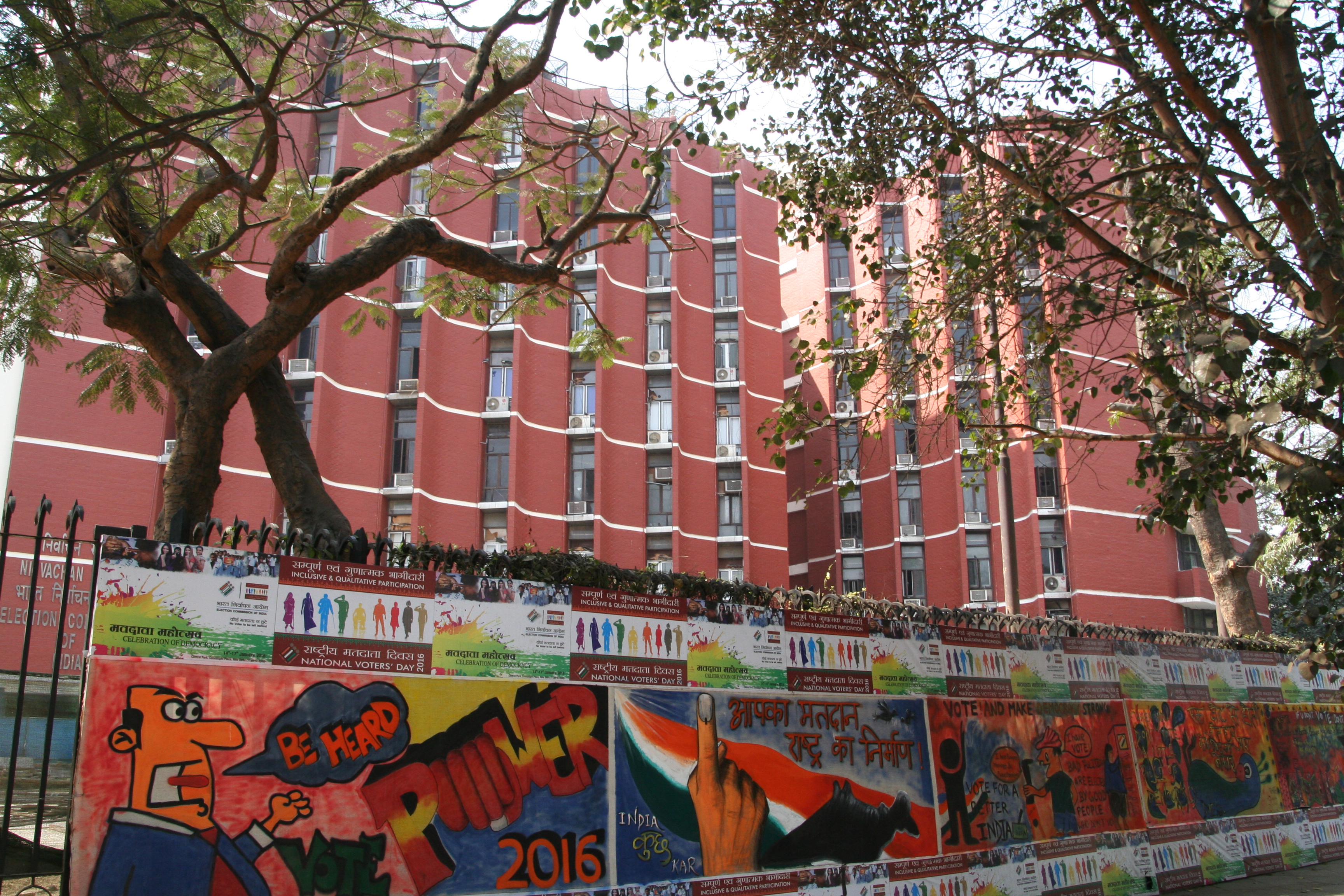
Election Commission of India headquarters Election Commission of India headquarters

Reactions from Stakeholders

  • Political parties: The BJP and Congress have issued measured statements, welcoming the appointment while urging the Commission to maintain impartiality.
  • Civil society: NGOs such as the Association for Democratic Reforms (ADR) have called for greater transparency in the DEC’s decision‑making processes.
  • Election officials: Senior officers within the ECI have expressed optimism, noting that Rajpurohit’s experience in disaster management could be valuable for handling election‑related emergencies.

Editorial Analysis & Future Outlook

Prakash Rajpurohit’s entry into the Election Commission arrives at a pivotal juncture. The 2024 Lok Sabha elections will be the first major test of India’s post‑pandemic electoral machinery, where digital tools, voter confidence, and logistical efficiency intersect.

Long‑Term Impact

  1. Institutional resilience: If Rajpurohit successfully embeds technology without compromising accessibility, the ECI could set a benchmark for other democracies navigating digital transformations.
  2. Policy continuity: His bureaucratic background suggests a preference for incremental reforms rather than radical overhauls—a pragmatic approach that may ensure smoother implementation.
  3. Public trust: The true measure of his tenure will be reflected in voter turnout and the credibility of election results. Transparent communication and swift redressal of grievances will be essential.

Potential Challenges

  • Political interference: Even with a robust appointment process, external pressures can surface, especially during high‑stakes elections.
  • Resource constraints: Deploying advanced tech across India’s vast and diverse terrain demands significant funding and skilled manpower.
  • Legal battles: Any perceived misstep in voter verification could trigger litigation, potentially delaying results.

Looking Ahead

The coming months will reveal whether Rajpurohit can translate his administrative expertise into tangible electoral reforms. Observers will watch closely for:

  • Pilot projects in select states for AI‑driven voter verification.
  • Revised guidelines on candidate disclosures, possibly tightening the bar for criminal convictions.
  • Enhanced voter outreach programs leveraging social media and grassroots networks.

In sum, the appointment of IAS Prakash Rajpurohit as Deputy Election Commissioner is more than a bureaucratic shuffle; it is a strategic move that could shape the democratic fabric of India for years to come. Stakeholders—from political parties to civil society—must engage constructively to ensure that the ECI remains a pillar of fairness, transparency, and resilience in the world’s largest democracy.


Original Reporting & Source: Google Trends (India)

Discussion (0)

Sign in to join the discussion.

No comments yet. Be the first to start the conversation!

| |

IAS Prakash Rajpurohit Appointed Deputy Election Commissioner: What It Means for India’s Electoral Landscape

By Umang Sisodia • 6 min read • 1 view

Key Takeaways

  • Prakash Rajpurohit, a senior IAS officer, has been appointed as the new Deputy Election Commissioner (DEC) by the Department of Personnel & Training (DoPT).
  • The appointment comes amid heightened public interest in the Election Commission of India (ECI), reflected by a surge in Google Trends searches for “भारत निर्वाचन आयोग”.
  • Rajpurohit’s extensive experience across Rajasthan, Delhi and other states positions him to steer critical electoral reforms ahead of the 2024 Lok Sabha polls.
  • Stakeholders anticipate a focus on voter‑verification technology, transparent candidate vetting, and strengthening the ECI’s autonomous functioning.

The Indian administrative landscape witnessed a notable shift when the Department of Personnel & Training (DoPT) issued an order appointing IAS officer Prakash Rajpurohit as the new Deputy Election Commissioner. The news quickly trended on Google India, registering over 500 searches for “भारत निर्वाचन आयोग”. Media houses such as Jansatta, Jaipur Times and NewsBytes amplified the story, underscoring the strategic importance of the role ahead of the 2024 general elections.

Who Is Prakash Rajpurohit?

Prakash Rajpurohit hails from the 1998 IAS batch of the Rajasthan cadre. Over a 25‑year career, he has held key positions including:

  • District Collector of Jodhpur and Jaipur, where he spearheaded urban planning and disaster management initiatives.
  • Secretary, Rajasthan Urban Development Ministry, overseeing smart‑city projects and public‑private partnerships.
  • Joint Secretary, Ministry of Home Affairs, handling internal security coordination at the national level.

His reputation is built on a blend of field‑level administration and policy‑making acumen. Colleagues describe him as a “steady hand in crisis” and a “technocrat who values data‑driven governance”.

"Prakash Rajpurohit’s track record of delivering results in complex bureaucratic environments makes him an ideal fit for the Election Commission at a time when credibility and efficiency are paramount," – senior political analyst, The Quint Voices.

The Appointment Process: Why DoPT Matters

The Department of Personnel & Training (DoPT) is the nodal agency for senior civil service appointments. Its order carries legal weight, ensuring that the selection follows the Civil Services (Appointment) Rules, 1955 and the Election Commission (Conditions of Service) Regulations, 1991. The process typically involves:

  1. Shortlisting candidates based on seniority, performance records, and integrity.
  2. Consultations with the Prime Minister’s Office and the Election Commission’s Chairman.
  3. Issuance of an official order by the DoPT, which is then published in the Gazette.

The transparency of this procedure is crucial for public confidence, especially when the ECI’s independence is under scrutiny.

Several factors explain the spike in searches:

  • Upcoming elections: With the Lok Sabha polls slated for 2024, any change in the ECI’s top brass garners attention.
  • Recent controversies: Debates over electronic voting machine (EVM) security and the introduction of Voter‑Verified Paper Audit Trail (VVPAT) have amplified interest in the Commission’s leadership.
  • Media amplification: Headlines in regional Hindi dailies and national portals have created a feedback loop, driving more users to search for background information.

Implications for Upcoming Elections

Strengthening Electoral Integrity

Rajpurohit’s tenure is expected to focus on three core pillars:

  • Technology integration: Accelerating the rollout of biometric voter verification and AI‑assisted fraud detection.
  • Candidate scrutiny: Tightening the vetting process for political aspirants, especially concerning criminal cases and financial disclosures.
  • Voter education: Launching multilingual campaigns to boost participation in remote and tribal areas.

Administrative Reforms

Having served in both state and central ministries, Rajpurohit is poised to streamline coordination between the ECI and state election bodies. This could reduce delays in publishing electoral rolls and improve the logistics of ballot distribution.

Political Neutrality

The appointment of a senior IAS officer—rather than a political appointee—reinforces the perception of the ECI’s non‑partisan stance. However, critics argue that the civil service itself is not immune to political pressures, making Rajpurohit’s independence a point of close observation.

Election Commission of India headquarters Election Commission of India headquarters

Reactions from Stakeholders

  • Political parties: The BJP and Congress have issued measured statements, welcoming the appointment while urging the Commission to maintain impartiality.
  • Civil society: NGOs such as the Association for Democratic Reforms (ADR) have called for greater transparency in the DEC’s decision‑making processes.
  • Election officials: Senior officers within the ECI have expressed optimism, noting that Rajpurohit’s experience in disaster management could be valuable for handling election‑related emergencies.

Editorial Analysis & Future Outlook

Prakash Rajpurohit’s entry into the Election Commission arrives at a pivotal juncture. The 2024 Lok Sabha elections will be the first major test of India’s post‑pandemic electoral machinery, where digital tools, voter confidence, and logistical efficiency intersect.

Long‑Term Impact

  1. Institutional resilience: If Rajpurohit successfully embeds technology without compromising accessibility, the ECI could set a benchmark for other democracies navigating digital transformations.
  2. Policy continuity: His bureaucratic background suggests a preference for incremental reforms rather than radical overhauls—a pragmatic approach that may ensure smoother implementation.
  3. Public trust: The true measure of his tenure will be reflected in voter turnout and the credibility of election results. Transparent communication and swift redressal of grievances will be essential.

Potential Challenges

  • Political interference: Even with a robust appointment process, external pressures can surface, especially during high‑stakes elections.
  • Resource constraints: Deploying advanced tech across India’s vast and diverse terrain demands significant funding and skilled manpower.
  • Legal battles: Any perceived misstep in voter verification could trigger litigation, potentially delaying results.

Looking Ahead

The coming months will reveal whether Rajpurohit can translate his administrative expertise into tangible electoral reforms. Observers will watch closely for:

  • Pilot projects in select states for AI‑driven voter verification.
  • Revised guidelines on candidate disclosures, possibly tightening the bar for criminal convictions.
  • Enhanced voter outreach programs leveraging social media and grassroots networks.

In sum, the appointment of IAS Prakash Rajpurohit as Deputy Election Commissioner is more than a bureaucratic shuffle; it is a strategic move that could shape the democratic fabric of India for years to come. Stakeholders—from political parties to civil society—must engage constructively to ensure that the ECI remains a pillar of fairness, transparency, and resilience in the world’s largest democracy.


Original Reporting & Source: Google Trends (India)