Umang Sisodia • • 5 min read • 1 view

Opposition INDIA Bloc Convenes at Rahul Gandhi’s Residence: New Strategy Unveiled
Listen to Article
Select a voice and press play
Opposition INDIA Bloc Convenes at Rahul Gandhi’s Residence: New Strategy Unveiled

Key Takeaways

  • Rahul Gandhi hosts a high‑profile press conference and strategy session at his New Delhi home, signaling a fresh offensive for the opposition.
  • The gathering unites the INDIA bloc’s regional parties under a single narrative ahead of the 2024 general elections.
  • Media coverage spikes on Google Trends due to live‑streamed speeches, symbolic refreshments, and the promise of coordinated anti‑BJP campaigns.
  • Analysts predict the event could reshape coalition dynamics, voter outreach, and parliamentary tactics in the months to come.

The Scene at Rahul Gandhi’s Home

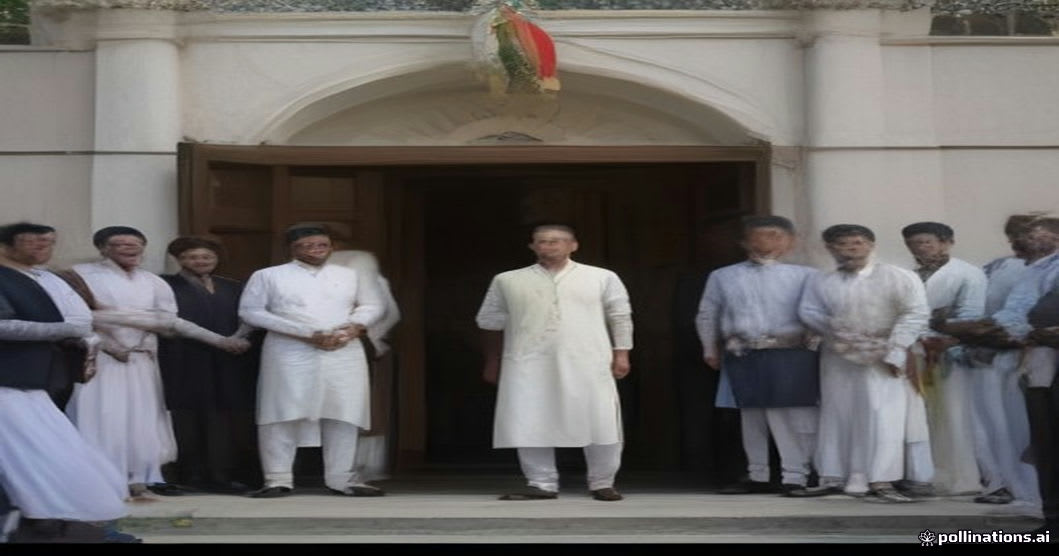
On a crisp Saturday morning, Rahul Gandhi opened the doors of his modest New Delhi residence to a crowd of senior leaders from the Indian National Developmental Inclusive Alliance (INDIA). The venue, usually a private family space, transformed into a makeshift press hall, complete with a podium, microphones, and a backdrop of Indian tricolor flags.

The event kicked off with a formal press conference, where Gandhi outlined the alliance’s “new strategy” to challenge the ruling party’s narrative. The conference was followed by a refreshment break—a symbolic gesture in Indian political culture—where guests were served tea, samosas, and regional snacks, fostering a relaxed yet purposeful atmosphere.

The story exploded on Google Trends for several reasons:

  1. Live streaming: Major news networks and social media platforms broadcast the speeches in real time, inviting instant public commentary.
  2. Symbolic optics: Holding the event at Gandhi’s home underscores a narrative of “grassroots unity” and personal commitment, resonating with both supporters and skeptics.
  3. Strategic timing: With the 2024 Lok Sabha elections less than a year away, the opposition is keen to showcase readiness, especially after a series of state‑level setbacks.
  4. Media amplification: Headlines such as “Press Conference, Refreshments, and New Strategy… Opposition INDIA Bloc Gathers at Rahul Gandhi’s House” dominated top‑story feeds on India Today, ABP Live, and other portals.

"This is not just a meeting; it is a re‑calibration of our collective resolve," said senior leader Mamata Banerjee during the press conference, emphasizing the alliance’s intent to present a unified front.

Political Calculus Behind the INDIA Bloc

The INDIA alliance, formed in early 2023, comprises the Congress, AAP, TMC, RJD, and several regional parties. While the coalition has faced internal friction, the current gathering appears aimed at addressing three core challenges:

  • Narrative coherence: Crafting a single, compelling story that counters the incumbent government’s development agenda.
  • Seat‑sharing negotiations: Finalising constituency allocations to avoid vote‑splitting, a perennial issue in Indian coalition politics.
  • Voter outreach: Designing a coordinated grassroots campaign leveraging each party’s regional strengths.

The new strategy outlined by Gandhi focuses on three pillars:

  1. Economic justice – targeting inflation, unemployment, and agrarian distress.
  2. Institutional integrity – pledging to strengthen democratic institutions and curb perceived authoritarian drift.
  3. Youth engagement – launching digital platforms and campus‑level outreach to mobilise first‑time voters.

Reactions from the Establishment

The ruling party’s leadership responded with measured criticism, accusing the opposition of “political theatrics” and “divisive rhetoric.” However, insiders note a subtle shift: senior BJP strategists are reportedly re‑evaluating their own outreach tactics, especially in urban constituencies where the opposition’s narrative is gaining traction.

Political analysts on TV panels highlighted the potential for a “battle of narratives” in the upcoming election cycle, with the INDIA bloc’s fresh approach possibly forcing the government to adopt more policy‑centric campaigning.
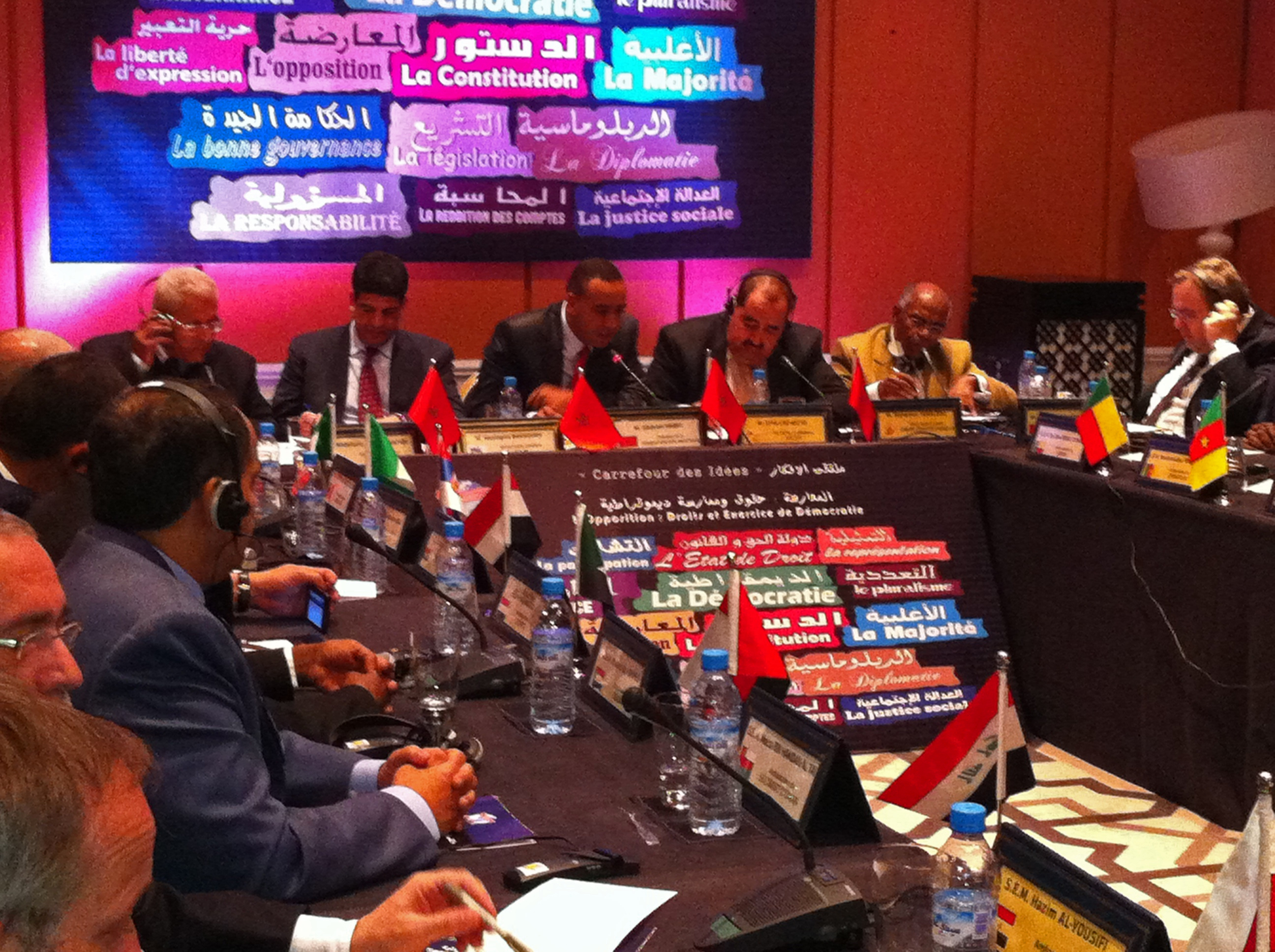
opposition leaders discussing strategy opposition leaders discussing strategy

What the New Strategy Could Mean for the 2024 Elections

If the INDIA alliance successfully operationalises its three‑pillar plan, several outcomes are plausible:

  • Consolidated vote banks: By avoiding intra‑alliance contests, the bloc could convert fragmented anti‑incumbent sentiment into decisive seat wins.
  • Enhanced media narrative: A unified communication team can dominate the news cycle, shifting focus from individual party woes to collective policy proposals.
  • Youth mobilisation: Targeted digital campaigns could swing the crucial 18‑35 voter segment, traditionally more fluid in its preferences.

Conversely, the alliance faces risks:

  • Ideological discord: Diverse regional parties may clash over policy specifics, especially on issues like federalism and economic liberalisation.
  • Resource constraints: Coordinated campaigning requires substantial financial and logistical resources, which the opposition historically lags behind.

Editorial Analysis & Future Outlook

The Rahul Gandhi‑hosted press conference marks a pivotal moment in Indian opposition politics. By anchoring the narrative in a personal, home‑based setting, the INDIA bloc attempts to humanise its leaders and present a cohesive counter‑vision to the ruling party’s development narrative.

In the long term, the success of this strategy will hinge on execution fidelity. If the alliance can translate its three‑pillar blueprint into on‑ground action—through joint rallies, coordinated social media pushes, and disciplined seat‑sharing—it may redefine coalition politics in India, moving beyond ad‑hoc alliances to a structured, policy‑driven front.

However, the fragility of coalition cohesion remains a critical variable. Historical precedents show that divergent regional interests can quickly unravel even the most meticulously planned strategies. Observers will watch closely how the INDIA bloc navigates internal dissent while maintaining a united front against the incumbent.

Should the alliance sustain momentum, we could witness a more competitive electoral landscape, compelling the ruling party to engage in substantive policy debates rather than relying solely on incumbency advantage. This shift could invigorate democratic discourse, elevate voter agency, and potentially reshape India’s political trajectory for the next decade.

In essence, the gathering at Rahul Gandhi’s house is not merely a ceremonial press event; it is a strategic inflection point that could either catalyse a robust opposition renaissance or dissolve into another episode of fragmented dissent. The coming months will be decisive.


Original Reporting & Source: India Today Top Stories

Discussion (0)

Sign in to join the discussion.

No comments yet. Be the first to start the conversation!

| |

Opposition INDIA Bloc Convenes at Rahul Gandhi’s Residence: New Strategy Unveiled

By Umang Sisodia • 5 min read • 1 view

Key Takeaways

  • Rahul Gandhi hosts a high‑profile press conference and strategy session at his New Delhi home, signaling a fresh offensive for the opposition.
  • The gathering unites the INDIA bloc’s regional parties under a single narrative ahead of the 2024 general elections.
  • Media coverage spikes on Google Trends due to live‑streamed speeches, symbolic refreshments, and the promise of coordinated anti‑BJP campaigns.
  • Analysts predict the event could reshape coalition dynamics, voter outreach, and parliamentary tactics in the months to come.

The Scene at Rahul Gandhi’s Home

On a crisp Saturday morning, Rahul Gandhi opened the doors of his modest New Delhi residence to a crowd of senior leaders from the Indian National Developmental Inclusive Alliance (INDIA). The venue, usually a private family space, transformed into a makeshift press hall, complete with a podium, microphones, and a backdrop of Indian tricolor flags.

The event kicked off with a formal press conference, where Gandhi outlined the alliance’s “new strategy” to challenge the ruling party’s narrative. The conference was followed by a refreshment break—a symbolic gesture in Indian political culture—where guests were served tea, samosas, and regional snacks, fostering a relaxed yet purposeful atmosphere.

The story exploded on Google Trends for several reasons:

  1. Live streaming: Major news networks and social media platforms broadcast the speeches in real time, inviting instant public commentary.
  2. Symbolic optics: Holding the event at Gandhi’s home underscores a narrative of “grassroots unity” and personal commitment, resonating with both supporters and skeptics.
  3. Strategic timing: With the 2024 Lok Sabha elections less than a year away, the opposition is keen to showcase readiness, especially after a series of state‑level setbacks.
  4. Media amplification: Headlines such as “Press Conference, Refreshments, and New Strategy… Opposition INDIA Bloc Gathers at Rahul Gandhi’s House” dominated top‑story feeds on India Today, ABP Live, and other portals.

"This is not just a meeting; it is a re‑calibration of our collective resolve," said senior leader Mamata Banerjee during the press conference, emphasizing the alliance’s intent to present a unified front.

Political Calculus Behind the INDIA Bloc

The INDIA alliance, formed in early 2023, comprises the Congress, AAP, TMC, RJD, and several regional parties. While the coalition has faced internal friction, the current gathering appears aimed at addressing three core challenges:

  • Narrative coherence: Crafting a single, compelling story that counters the incumbent government’s development agenda.
  • Seat‑sharing negotiations: Finalising constituency allocations to avoid vote‑splitting, a perennial issue in Indian coalition politics.
  • Voter outreach: Designing a coordinated grassroots campaign leveraging each party’s regional strengths.

The new strategy outlined by Gandhi focuses on three pillars:

  1. Economic justice – targeting inflation, unemployment, and agrarian distress.
  2. Institutional integrity – pledging to strengthen democratic institutions and curb perceived authoritarian drift.
  3. Youth engagement – launching digital platforms and campus‑level outreach to mobilise first‑time voters.

Reactions from the Establishment

The ruling party’s leadership responded with measured criticism, accusing the opposition of “political theatrics” and “divisive rhetoric.” However, insiders note a subtle shift: senior BJP strategists are reportedly re‑evaluating their own outreach tactics, especially in urban constituencies where the opposition’s narrative is gaining traction.

Political analysts on TV panels highlighted the potential for a “battle of narratives” in the upcoming election cycle, with the INDIA bloc’s fresh approach possibly forcing the government to adopt more policy‑centric campaigning.

opposition leaders discussing strategy opposition leaders discussing strategy

What the New Strategy Could Mean for the 2024 Elections

If the INDIA alliance successfully operationalises its three‑pillar plan, several outcomes are plausible:

  • Consolidated vote banks: By avoiding intra‑alliance contests, the bloc could convert fragmented anti‑incumbent sentiment into decisive seat wins.
  • Enhanced media narrative: A unified communication team can dominate the news cycle, shifting focus from individual party woes to collective policy proposals.
  • Youth mobilisation: Targeted digital campaigns could swing the crucial 18‑35 voter segment, traditionally more fluid in its preferences.

Conversely, the alliance faces risks:

  • Ideological discord: Diverse regional parties may clash over policy specifics, especially on issues like federalism and economic liberalisation.
  • Resource constraints: Coordinated campaigning requires substantial financial and logistical resources, which the opposition historically lags behind.

Editorial Analysis & Future Outlook

The Rahul Gandhi‑hosted press conference marks a pivotal moment in Indian opposition politics. By anchoring the narrative in a personal, home‑based setting, the INDIA bloc attempts to humanise its leaders and present a cohesive counter‑vision to the ruling party’s development narrative.

In the long term, the success of this strategy will hinge on execution fidelity. If the alliance can translate its three‑pillar blueprint into on‑ground action—through joint rallies, coordinated social media pushes, and disciplined seat‑sharing—it may redefine coalition politics in India, moving beyond ad‑hoc alliances to a structured, policy‑driven front.

However, the fragility of coalition cohesion remains a critical variable. Historical precedents show that divergent regional interests can quickly unravel even the most meticulously planned strategies. Observers will watch closely how the INDIA bloc navigates internal dissent while maintaining a united front against the incumbent.

Should the alliance sustain momentum, we could witness a more competitive electoral landscape, compelling the ruling party to engage in substantive policy debates rather than relying solely on incumbency advantage. This shift could invigorate democratic discourse, elevate voter agency, and potentially reshape India’s political trajectory for the next decade.

In essence, the gathering at Rahul Gandhi’s house is not merely a ceremonial press event; it is a strategic inflection point that could either catalyse a robust opposition renaissance or dissolve into another episode of fragmented dissent. The coming months will be decisive.


Original Reporting & Source: India Today Top Stories