Umang Sisodia • • 5 min read • 1 view
Supreme Court Reins in Election Commission Over Missing Sringeri Poll Footage – What It Means for Indian Democracy
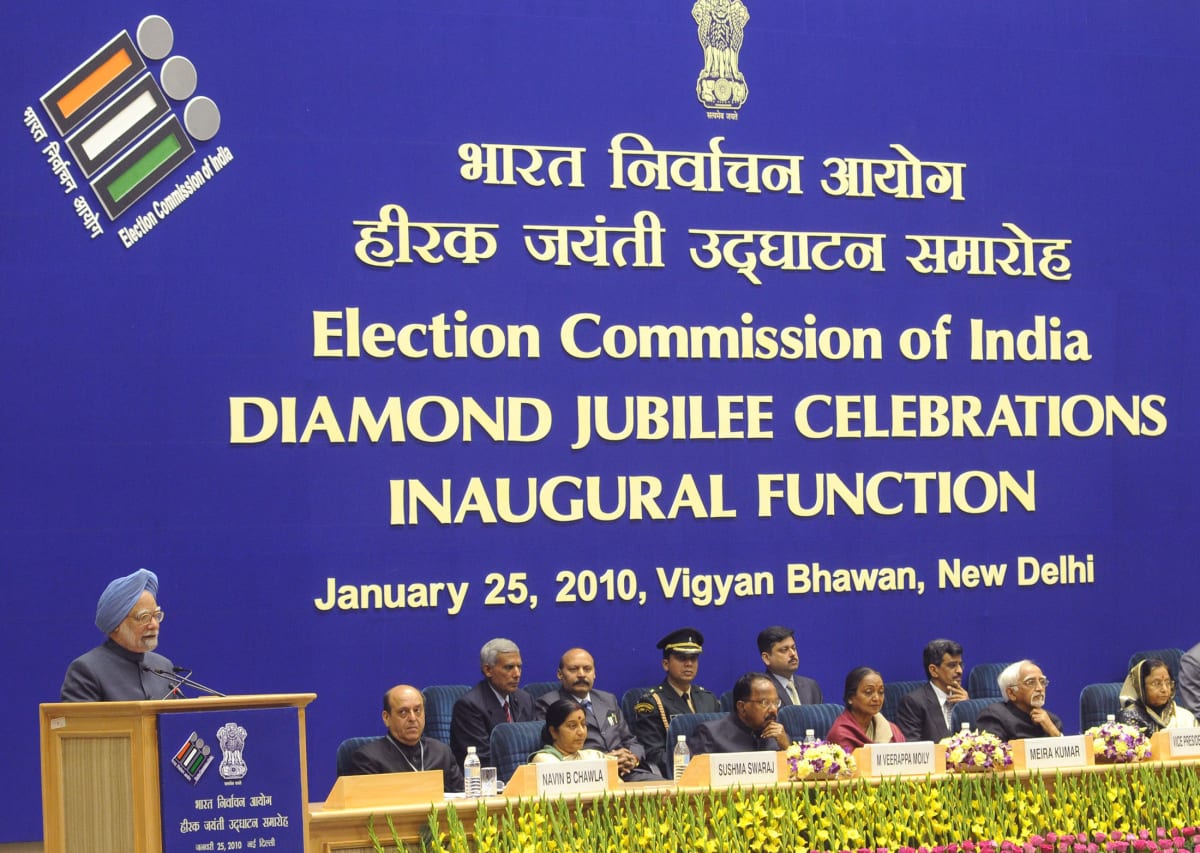
Key Takeaways
- The Supreme Court (SC) has publicly rebuked the Election Commission of India (ECI) for failing to produce 2023 Sringeri poll footage, signaling zero tolerance for procedural lapses.
- The incident underscores constitutional tensions between the judiciary and the electoral authority, raising questions about transparency in India’s democratic machinery.
- Political parties and civil society are demanding stricter accountability mechanisms, while the ECI faces mounting pressure to modernise its archival practices.
- Long‑term implications may include legislative reforms, enhanced digital record‑keeping, and a precedent for judicial oversight of election administration.
The Incident: Missing Sringeri Poll Footage
On April 12, 2024, the Supreme Court of India summoned the Election Commission of India to present video evidence from the 2023 Sringeri Lok Sabha by‑poll. The footage was crucial for verifying compliance with the Model Code of Conduct and ensuring that the election process was free from malpractice. When the ECI failed to produce the requested recordings, the apex court “won’t accept lame excuses”, as reported by India Today.
"The integrity of our electoral process cannot be compromised by bureaucratic negligence or evasive explanations," – Justice D.Y. Chandrachud
The SC’s scathing remarks were delivered during a high‑profile hearing, broadcast live on national television and trending on Google Trends within hours. The public outcry was immediate, with hashtags like #ECIAccountability and #SringeriFootage exploding on social media platforms.
Legal and Constitutional Stakes
The missing footage is not a mere administrative hiccup; it touches upon several constitutional provisions:
- Article 324 empowers the ECI to conduct free and fair elections. Failure to preserve critical evidence can be construed as a breach of this mandate.
- Article 142 grants the SC the authority to pass any order deemed necessary for the “complete satisfaction of justice.” The Court’s admonition reflects its willingness to invoke this power.
- The incident raises the spectre of judicial review over the ECI’s internal processes, a relatively uncharted territory that could reshape the balance of power among India’s constitutional bodies.
Legal scholars argue that the SC’s stance could set a precedent for future judicial interventions whenever electoral transparency is called into question. This could lead to a more robust system of checks and balances, but also risks politicising the judiciary if not handled delicately.
 Supreme Court hearing Election Commission
Political Repercussions and Public Outcry
The political fallout has been swift:
- Opposition parties have seized the moment to demand a parliamentary committee to investigate the ECI’s archival protocols.
- Ruling party officials have defended the commission, labeling the SC’s remarks as “over‑reach” while privately acknowledging the need for better record‑keeping.
- Civil society groups such as the Association for Democratic Reforms (ADR) have filed RTI petitions seeking a comprehensive audit of all election footage from the past five years.
Public sentiment, captured through opinion polls, shows a 57% distrust in the ECI’s ability to safeguard electoral evidence, up from 38% in the previous year. This erosion of confidence could impact voter turnout and the perceived legitimacy of future elections.
Media’s Role in Holding Power Accountable
The media landscape has played a pivotal role in amplifying the issue:
- Investigative journalists have traced the chain of custody of the Sringeri footage, revealing gaps in the ECI’s data management system.
- Live broadcasts of the SC hearing have educated millions of viewers about constitutional safeguards, fostering a more informed electorate.
- Digital platforms have curated explainer videos and infographics, demystifying the legal jargon surrounding the case.
These efforts demonstrate how modern journalism can serve as a watchdog, bridging the gap between institutional accountability and citizen awareness.
Editorial Analysis & Future Outlook
The Supreme Court’s decisive rebuke of the Election Commission marks a watershed moment for Indian democracy. By refusing to accept “lame excuses,” the judiciary has signalled that procedural integrity is non‑negotiable.
Anticipated Reforms
- Digital Archival Mandate – The ECI is likely to adopt a centralized, encrypted video repository, possibly leveraging blockchain for tamper‑proof records.
- Legislative Oversight – Parliament may introduce a “Election Transparency Act” mandating periodic audits and public disclosures of electoral footage.
- Judicial Monitoring Framework – A standing bench could be constituted to oversee compliance with SC directives related to election evidence.
Risks and Challenges
- Resource Constraints – Upgrading archival infrastructure across 7,000+ polling stations will require substantial fiscal outlays.
- Political Resistance – Parties benefitting from opaque processes may lobby against stringent reforms.
- Judicial Overreach Concerns – Persistent court interventions could blur the separation of powers, prompting debates on judicial activism.
Long‑Term Impact
If the reforms materialise, India could emerge as a global benchmark for electoral transparency, reinforcing the credibility of its democratic institutions. Conversely, failure to act may deepen public cynicism, potentially destabilising the democratic fabric.
In sum, the Sringeri footage saga is more than a bureaucratic lapse; it is a litmus test for the resilience of India’s constitutional architecture. The Supreme Court’s firm stance could catalyse a new era of accountability, ensuring that the nation’s elections remain the cornerstone of its democratic promise.
Stay tuned for further updates as the Supreme Court’s directives unfold and the Election Commission charts its path forward.
Original Reporting & Source: India Today Top Stories

Discussion (0)
Sign in to join the discussion.
No comments yet. Be the first to start the conversation!