Umang Sisodia • • 5 min read • 1 view
Vietnam’s October Flood Crisis: Heavy Rains Trigger Widespread Flooding and Heatwave
Key Takeaways
- Unprecedented October rains have pushed northern Vietnam into severe flooding, affecting millions and disrupting daily life.
- Heatwave conditions accompany the floods, with temperatures soaring to 33 °C, compounding health risks.
- Government and humanitarian agencies are mobilising large‑scale rescue, relief, and infrastructure repair operations.
- Long‑term climate resilience will hinge on improved forecasting, river management, and community preparedness.
The Flood Event Unfolds
On 12 October 2026, Vietnam experienced a dramatic surge in rainfall that overwhelmed river systems across the north, especially the Red River basin. According to ReliefWeb, the deluge was classified as the third major flood event of the month, submerging low‑lying districts, flooding highways, and forcing residents onto rooftops and makeshift rafts. The situation escalated quickly: within 48 hours, more than 200 km of roads were impassable and over 150 000 people were recorded as displaced.
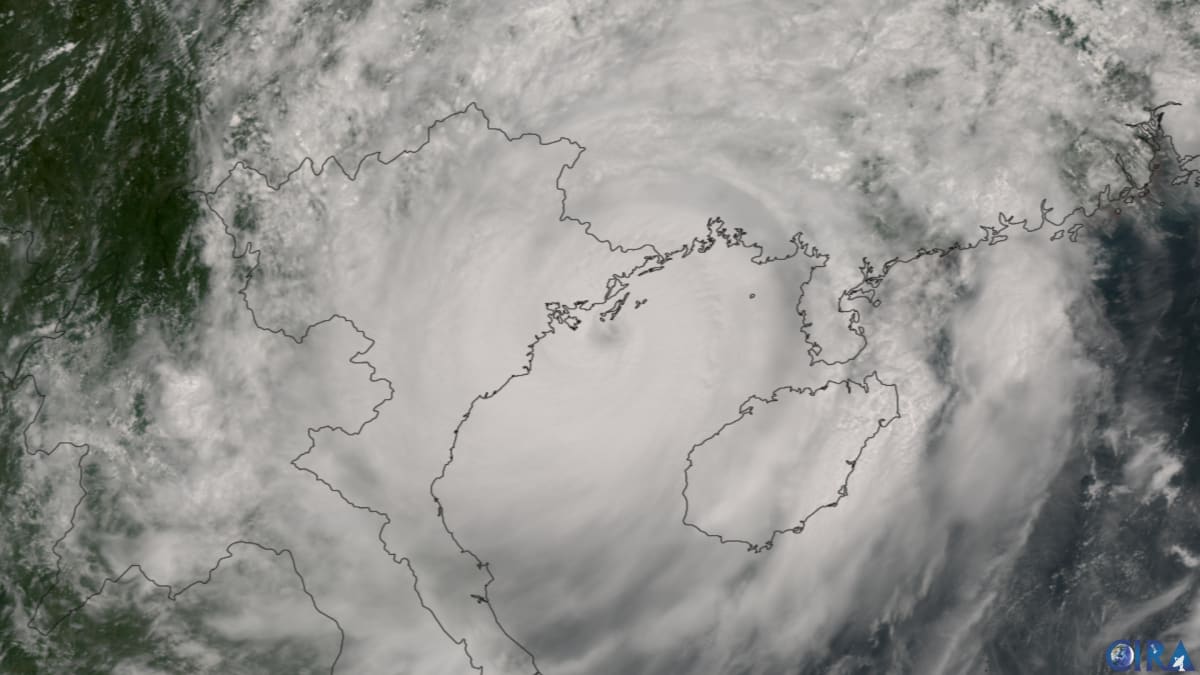
The intensity of the storm system was evident in satellite imagery, showing thick cloud bands moving inland from the South China Sea. Meteorologists noted that the rain‑fall totals in some catchments exceeded 300 mm in a single day—far beyond the seasonal average. The rapid rise in water levels caught many communities off guard, prompting emergency alerts and a cascade of rescue operations.
"The speed and volume of water rise were unprecedented for this time of year," – ReliefWeb briefing, 12 Oct 2026.
Meteorological Drivers Behind the Deluge
The flood cannot be viewed in isolation; it is part of a broader weather pattern that has been dominating the region. A persistent trough over the western Pacific funneled moist air masses toward the Indochinese Peninsula. Simultaneously, a Madden‑Julian Oscillation (MJO) pulse amplified convection over the South China Sea, intensifying rainfall.
Compounding the atmospheric dynamics, sea surface temperatures in the adjacent Gulf of Thailand were 2 °C above average, supplying additional latent heat. This combination created a feed‑forward loop: warm seas powered stronger thunderstorms, which in turn dumped more rain onto already saturated soils.
The Vietnam Meteorological Agency (VMA) forecasted a mixed outlook for the coming week. While northern provinces were expected to remain sunny and dry after the front passed, the southern coast faced continued thunderstorms and rough seas. This divergent pattern underscores the challenge of issuing uniform warnings across a geographically diverse country.
Human and Economic Toll
The immediate human impact is stark. Preliminary figures from local authorities indicate over 30 fatalities, many due to landslide incidents triggered by saturated slopes. Hospitals in Hanoi and Haiphong reported a surge in water‑borne diseases such as diarrhoea and leptospirosis, straining already‑busy emergency departments.
Economically, the floods have disrupted agricultural cycles at a critical planting stage. Rice paddies in the Red River Delta, a cornerstone of Vietnam’s food security, suffered substantial submergence, threatening yields for the 2026‑27 season. Additionally, transport logistics have been crippled: major freight corridors linking the north to the central region were halted, inflating the cost of goods and delaying supply chains.
Government Response and Relief Efforts
The Vietnamese government activated the National Flood Response Mechanism within hours of the alert. President Đông Tran ordered the deployment of 10,000 troops, military engineering units, and naval vessels to assist in evacuations and sandbag fortifications. The Ministry of Health dispatched mobile clinics to provide vaccinations, clean water, and medical kits.
International partners, including the United Nations Office for the Coordination of Humanitarian Affairs (OCHA) and World Food Programme (WFP), have pledged $12 million in emergency aid. ReliefWeb reports that food parcels, temporary shelters, and cash assistance are being distributed across the hardest‑hit districts.
Regional Weather Outlook
Looking ahead, the VMA’s 10‑day forecast (the query that trended on Google: “weather 10 days”) shows a reversal in the north, with temperatures stabilising around 28‑30 °C and humidity decreasing. However, the central highlands may experience isolated thunderstorms that could trigger secondary flooding in tributary valleys.
The southern coast remains vulnerable to rough seas and storm surges as the monsoon trough lingers. Coastal cities like Da Nang and Ho Chi Minh City are advised to monitor tide levels closely, especially in low‑lying districts.
Editorial Analysis & Future Outlook
The October 2026 flood episode is a wake‑up call for Vietnam’s climate adaptation strategies. While the country has made strides in early warning systems, the sheer scale of this event highlights gaps in infrastructure resilience and community-level preparedness.
Long‑term, Vietnam must invest in river basin management—including dredging, floodplain restoration, and strategic dam operations—to mitigate peak flows. Urban planning should integrate flood‑resilient designs, such as elevated roadways and green corridors, to absorb excess water.
On the policy front, the government’s rapid mobilisation demonstrates a robust institutional response, yet coordination with local NGOs and private sector logistics can be sharpened to reduce bottlenecks in aid delivery. Moreover, the concurrent heatwave underscores the need for public health frameworks that address compounded climate risks.
In the broader context of Southeast Asia’s climate trajectory, events like the VNM flood are likely to become more frequent and intense. Vietnam’s experience can serve as a regional case study for integrating climate science into disaster risk reduction, fostering cross‑border collaboration on data sharing, and building adaptive capacities at the grassroots level.
If the nation embraces a holistic, forward‑looking approach, the lessons from October 2026 could translate into safer cities, protected livelihoods, and a more resilient economy for future generations.
Stay updated with real‑time weather alerts and relief initiatives through official channels and verified news outlets.
Original Reporting & Source: Google Trends (India)

Discussion (0)
Sign in to join the discussion.
No comments yet. Be the first to start the conversation!