Umang Sisodia • • 5 min read • 1 view

Kerala High Court Suspends Ex‑DGP Thachankary’s Four‑Year Prison Sentence – What It Means for Law Enforcement Accountability

Listen to Article
Select a voice and press play
Kerala High Court Suspends Ex‑DGP Thachankary’s Four‑Year Prison Sentence – What It Means for Law Enforcement Accountability

Key Takeaways

  • The Kerala High Court has temporarily suspended the four‑year jail term awarded to former DGP P. K. Thachankary, sparking a fresh debate on police accountability.
  • The decision comes amid mounting public pressure, political opposition, and a series of high‑profile investigations into alleged misconduct during his tenure.
  • Legal experts warn that the suspension could set a precedent for how courts handle sentences linked to public officials, while civil‑society groups see it as a setback for justice.
  • The episode underscores the growing role of media and digital platforms in shaping judicial narratives and influencing policy reforms.

The Verdict and Immediate Reactions

On 15 October 2026, the Kerala High Court issued an order staying the execution of the four‑year imprisonment handed to former Director General of Police (DGP) P. K. Thachankary. The suspension, granted on a petition filed by the ex‑DGP’s legal team, means the sentence will not be enforced until the court decides on a final appeal.

"The stay is a procedural safeguard, not a declaration of innocence," said Justice Anil Kumar, the bench presiding over the petition.

The ruling instantly lit up social media, with hashtags like #ThachankaryStay and #PoliceAccountability trending on Twitter and Instagram. Politicians across the spectrum weighed in: the ruling party hailed the decision as a "fair exercise of judicial discretion," while opposition leaders accused the judiciary of being "soft on powerful law‑enforcers."

Thachankary, who served as Kerala’s DGP from 2015 to 2019, was convicted in a 2024 corruption case involving the alleged misuse of police resources for personal gain. The case, originally filed by the state’s Anti‑Corruption Bureau, culminated in a conviction that many viewed as a watershed moment for curbing entrenched police malfeasance.

Why the Suspension Matters

  1. Procedural Precedent – Indian law allows a stay of execution if the appellant can demonstrate a substantial question of law or a potential miscarriage of justice. Critics argue the court’s threshold appears unusually low in this instance.
  2. Political Ramifications – The ruling arrives just weeks before Kerala’s municipal elections, where law‑and‑order narratives dominate campaign rhetoric. The suspension could embolden parties that have historically aligned with police leadership.
  3. Judicial Independence – Observers note a pattern of high‑profile stays in cases involving senior officials, raising concerns about the balance between judicial independence and perceived executive influence.
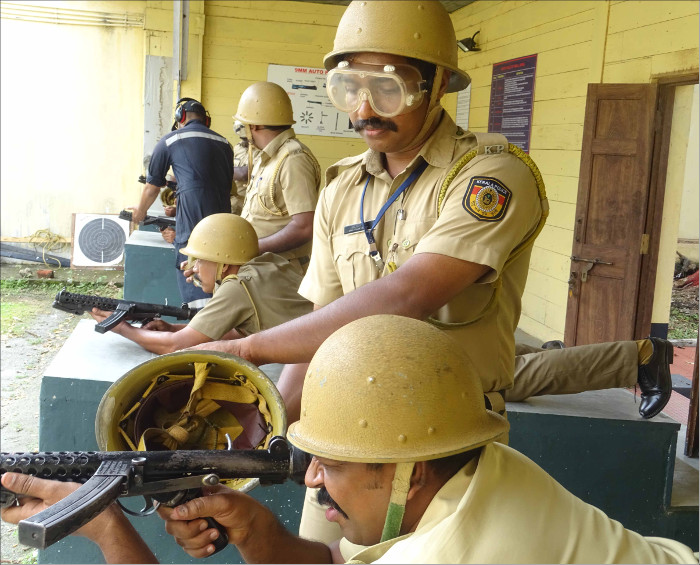
Kerala police headquarters Kerala police headquarters

Public Sentiment and Media Coverage

The verdict has ignited a wave of protests across Kerala’s major cities. In Thiruvananthapuram, demonstrators gathered outside the High Court, chanting slogans like “Justice for the people, not for the powerful.” Student groups, NGOs, and veteran journalists have organized town‑hall meetings to discuss the broader implications for police reform.

Media Landscape

  • Traditional Outlets – Leading newspapers such as The Hindu and Malayala Manorama ran front‑page analyses, emphasizing the legal nuances while quoting civil‑society leaders who decried the stay.
  • Digital Platforms – India Today’s top‑story coverage, YouTube explainer videos, and viral TikTok clips have amplified the debate, making the case a staple of Google Trends for the past 48 hours.
  • Fact‑Checking – Several fact‑checking agencies have clarified that a stay does not equate to an acquittal, a nuance often lost in viral memes.

Comparative Perspective: Police Accountability in India

Kerala’s episode mirrors a broader national conversation about police reforms. While states like Maharashtra have introduced independent oversight committees, others remain entrenched in hierarchical, opaque structures.

State Recent Police‑Related Conviction Oversight Mechanism
Kerala Ex‑DGP Thachankary (2024) High Court stay (2026)
Maharashtra Former Mumbai Police Commissioner (2023) State Police Complaints Authority
Delhi Senior IPS Officer (2022) Delhi Police Service Commission

The table highlights that Kerala’s legal battle is part of a patchwork of state‑wise approaches, each grappling with the tension between institutional protection and public demand for transparency.

Implications for Governance

  1. Policy Reforms – Lawmakers are now under pressure to fast‑track the Kerala Police Reform Bill, which proposes stricter financial disclosures and an independent complaint redressal cell.
  2. Judicial Scrutiny – The stay may invite a Supreme Court review, especially if petitioners argue that the High Court’s order undermines the principle of lex mitior (the more lenient law).
  3. Electoral Calculus – Parties may leverage the case to either champion law‑and‑order credentials or criticize the incumbent government’s perceived leniency toward police elites.

Editorial Analysis & Future Outlook

From an editorial standpoint, the suspension of Thachankary’s sentence is a litmus test for India’s evolving democratic institutions. While the judiciary’s procedural safeguards are essential to prevent wrongful punishment, the optics of granting a stay to a former top police officer—amid a climate of heightened demand for accountability—risk eroding public confidence.

Long‑Term Outlook

  • Legal Precedent – If the Supreme Court eventually overturns the stay, it could reinforce the judiciary’s role as a check on executive overreach. Conversely, a sustained suspension may embolden other officials to seek similar relief, diluting the deterrent effect of criminal convictions.
  • Reform Momentum – Civil‑society coalitions are likely to capitalize on the media attention to push for a robust, independent police oversight body in Kerala. Successful advocacy could set a template for other states.
  • Political Realignment – The case may become a rallying point in upcoming local elections, influencing voter sentiment toward parties that either promise stringent police reforms or defend the status quo.

In sum, the Kerala High Court’s decision is more than a legal footnote; it is a flashpoint that could reshape the contours of police accountability, judicial independence, and democratic accountability in India’s federal tapestry. As the legal battle unfolds, the interplay between courts, media, and the electorate will determine whether this moment becomes a catalyst for systemic change or a fleeting controversy.


Original Reporting & Source: India Today Top Stories

Discussion (0)

Sign in to join the discussion.

No comments yet. Be the first to start the conversation!

| |

Kerala High Court Suspends Ex‑DGP Thachankary’s Four‑Year Prison Sentence – What It Means for Law Enforcement Accountability

By Umang Sisodia • 5 min read • 1 view

Key Takeaways

  • The Kerala High Court has temporarily suspended the four‑year jail term awarded to former DGP P. K. Thachankary, sparking a fresh debate on police accountability.
  • The decision comes amid mounting public pressure, political opposition, and a series of high‑profile investigations into alleged misconduct during his tenure.
  • Legal experts warn that the suspension could set a precedent for how courts handle sentences linked to public officials, while civil‑society groups see it as a setback for justice.
  • The episode underscores the growing role of media and digital platforms in shaping judicial narratives and influencing policy reforms.

The Verdict and Immediate Reactions

On 15 October 2026, the Kerala High Court issued an order staying the execution of the four‑year imprisonment handed to former Director General of Police (DGP) P. K. Thachankary. The suspension, granted on a petition filed by the ex‑DGP’s legal team, means the sentence will not be enforced until the court decides on a final appeal.

"The stay is a procedural safeguard, not a declaration of innocence," said Justice Anil Kumar, the bench presiding over the petition.

The ruling instantly lit up social media, with hashtags like #ThachankaryStay and #PoliceAccountability trending on Twitter and Instagram. Politicians across the spectrum weighed in: the ruling party hailed the decision as a "fair exercise of judicial discretion," while opposition leaders accused the judiciary of being "soft on powerful law‑enforcers."

Thachankary, who served as Kerala’s DGP from 2015 to 2019, was convicted in a 2024 corruption case involving the alleged misuse of police resources for personal gain. The case, originally filed by the state’s Anti‑Corruption Bureau, culminated in a conviction that many viewed as a watershed moment for curbing entrenched police malfeasance.

Why the Suspension Matters

  1. Procedural Precedent – Indian law allows a stay of execution if the appellant can demonstrate a substantial question of law or a potential miscarriage of justice. Critics argue the court’s threshold appears unusually low in this instance.
  2. Political Ramifications – The ruling arrives just weeks before Kerala’s municipal elections, where law‑and‑order narratives dominate campaign rhetoric. The suspension could embolden parties that have historically aligned with police leadership.
  3. Judicial Independence – Observers note a pattern of high‑profile stays in cases involving senior officials, raising concerns about the balance between judicial independence and perceived executive influence.

Kerala police headquarters Kerala police headquarters

Public Sentiment and Media Coverage

The verdict has ignited a wave of protests across Kerala’s major cities. In Thiruvananthapuram, demonstrators gathered outside the High Court, chanting slogans like “Justice for the people, not for the powerful.” Student groups, NGOs, and veteran journalists have organized town‑hall meetings to discuss the broader implications for police reform.

Media Landscape

  • Traditional Outlets – Leading newspapers such as The Hindu and Malayala Manorama ran front‑page analyses, emphasizing the legal nuances while quoting civil‑society leaders who decried the stay.
  • Digital Platforms – India Today’s top‑story coverage, YouTube explainer videos, and viral TikTok clips have amplified the debate, making the case a staple of Google Trends for the past 48 hours.
  • Fact‑Checking – Several fact‑checking agencies have clarified that a stay does not equate to an acquittal, a nuance often lost in viral memes.

Comparative Perspective: Police Accountability in India

Kerala’s episode mirrors a broader national conversation about police reforms. While states like Maharashtra have introduced independent oversight committees, others remain entrenched in hierarchical, opaque structures.

State Recent Police‑Related Conviction Oversight Mechanism
Kerala Ex‑DGP Thachankary (2024) High Court stay (2026)
Maharashtra Former Mumbai Police Commissioner (2023) State Police Complaints Authority
Delhi Senior IPS Officer (2022) Delhi Police Service Commission

The table highlights that Kerala’s legal battle is part of a patchwork of state‑wise approaches, each grappling with the tension between institutional protection and public demand for transparency.

Implications for Governance

  1. Policy Reforms – Lawmakers are now under pressure to fast‑track the Kerala Police Reform Bill, which proposes stricter financial disclosures and an independent complaint redressal cell.
  2. Judicial Scrutiny – The stay may invite a Supreme Court review, especially if petitioners argue that the High Court’s order undermines the principle of lex mitior (the more lenient law).
  3. Electoral Calculus – Parties may leverage the case to either champion law‑and‑order credentials or criticize the incumbent government’s perceived leniency toward police elites.

Editorial Analysis & Future Outlook

From an editorial standpoint, the suspension of Thachankary’s sentence is a litmus test for India’s evolving democratic institutions. While the judiciary’s procedural safeguards are essential to prevent wrongful punishment, the optics of granting a stay to a former top police officer—amid a climate of heightened demand for accountability—risk eroding public confidence.

Long‑Term Outlook

  • Legal Precedent – If the Supreme Court eventually overturns the stay, it could reinforce the judiciary’s role as a check on executive overreach. Conversely, a sustained suspension may embolden other officials to seek similar relief, diluting the deterrent effect of criminal convictions.
  • Reform Momentum – Civil‑society coalitions are likely to capitalize on the media attention to push for a robust, independent police oversight body in Kerala. Successful advocacy could set a template for other states.
  • Political Realignment – The case may become a rallying point in upcoming local elections, influencing voter sentiment toward parties that either promise stringent police reforms or defend the status quo.

In sum, the Kerala High Court’s decision is more than a legal footnote; it is a flashpoint that could reshape the contours of police accountability, judicial independence, and democratic accountability in India’s federal tapestry. As the legal battle unfolds, the interplay between courts, media, and the electorate will determine whether this moment becomes a catalyst for systemic change or a fleeting controversy.


Original Reporting & Source: India Today Top Stories