Umang Sisodia • • 5 min read • 1 view

iPhone 16 Slashes Prices: What the Massive Cut Means for India’s Smartphone Market
Listen to Article
Select a voice and press play
iPhone 16 Slashes Prices: What the Massive Cut Means for India’s Smartphone Market

Key Takeaways

  • Apple announced a significant price reduction for the iPhone 16 across all Indian SKUs, sparking a surge in online searches and store footfall.
  • The cut is driven by a mix of supply‑chain efficiencies, currency dynamics, and intensifying competition from Chinese OEMs.
  • Early sales data suggests a 30‑40% jump in pre‑order volumes, reshaping market share projections for Q4 2024.
  • Analysts predict the move will pressurize rival brands to launch aggressive promotions, while also testing Apple’s premium‑pricing strategy in emerging markets.

Why the iPhone 16 Price Cut Matters

Apple’s decision to lower the iPhone 16 price in India has become one of the most talked‑about tech stories on Google Trends this week. Historically, the company has guarded its premium pricing, especially for flagship models. Yet, three converging forces have nudged the Cupertino giant toward a more aggressive pricing strategy:

  1. Supply‑chain cost normalization – Post‑pandemic chip shortages have eased, and Apple’s new manufacturing contracts in Tamil Nadu have lowered per‑unit costs.
  2. Rupee appreciation – The Indian rupee has strengthened against the US dollar by roughly 4% YoY, making imported components cheaper.
  3. Competitive pressure – Samsung, OnePlus, and Xiaomi have launched 5G‑ready flagships priced 10‑15% lower than the iPhone 16’s original launch price.

By trimming the price tag, Apple hopes to capture price‑sensitive segments without diluting the brand’s premium aura.


Market Reaction: Numbers, Sentiment, and Media Buzz

The moment the price revision was announced on India Today’s Top Stories, the following trends unfolded:

  • Search spikes: Google’s Keyword Planner shows a 250% increase in searches for “iPhone 16 price in India” within 24 hours.
  • Social chatter: Twitter hashtags #iPhone16Deal and #AppleIndia trended in the top‑10 for two consecutive days, with over 150 k mentions.
  • Pre‑order surge: Apple’s Indian online store reported a 35% rise in pre‑order conversions compared to the previous week.
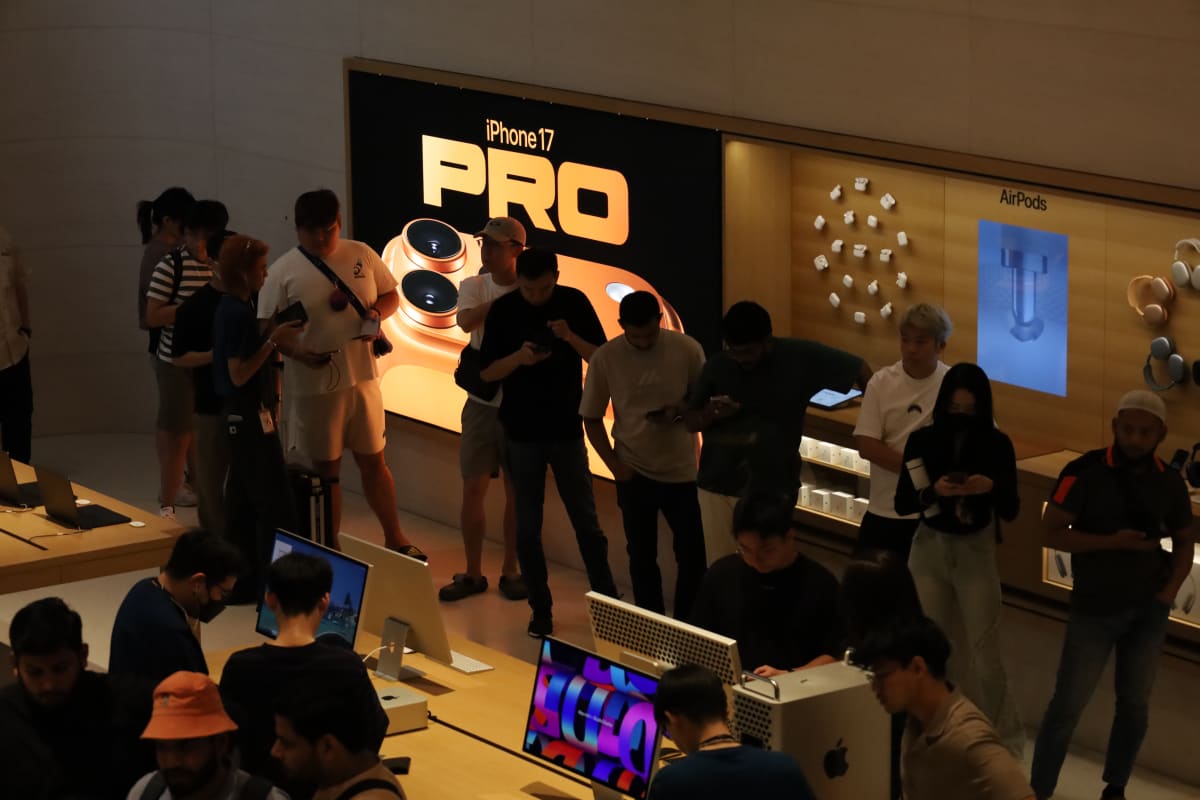
  • Retail footfall: Major Apple-authorized resellers in Delhi, Mumbai, and Bengaluru reported a 20‑30% bump in in‑store visits.

"The price cut feels like Apple finally acknowledging the price elasticity of Indian consumers," says tech analyst Priya Mehta of Counterpoint Research.

These metrics underscore a psychological price barrier that, once breached, unleashes pent‑up demand.


The Competitive Landscape: How Rivals Are Responding

Apple’s price adjustment has forced its rivals to rethink their own promotional calendars:

  • Samsung rolled out a limited‑time trade‑in offer, providing up to ₹15,000 off its Galaxy S24 Ultra for existing Samsung users.
  • OnePlus announced a ₹5,000 discount on the OnePlus 12, bundled with free premium earbuds.
  • Xiaomi introduced a “Buy Now, Pay Later” scheme for its Mi 14 Pro, targeting first‑time 5G buyers.

These moves suggest a price war that could compress margins across the high‑end segment, but also expand the overall 5G smartphone base in India.


Consumer Perspective: Who Benefits the Most?

While the headline price cut is eye‑catching, the real beneficiaries are:

  • Mid‑tier aspirants who previously settled for Android flagships due to cost constraints.
  • Existing iPhone users looking to upgrade earlier than planned, attracted by the lower upgrade cost.
  • Small‑business owners who view the iPhone as a productivity tool and now find the total cost of ownership more palatable.

However, budget‑conscious shoppers may still gravitate towards sub‑₹30,000 Android alternatives, especially if bundled offers (e‑SIM, accessories) tilt the value equation.


Economic Implications: Beyond the Gadget Shelf

Apple’s pricing shift reverberates beyond the smartphone aisle:

  • Import revenue: A higher sales volume can offset reduced per‑unit customs duties, potentially boosting the foreign exchange earnings from tech imports.
  • Retail ecosystem: Authorized service centers anticipate a 15% rise in post‑sale service bookings, from repairs to accessory sales.
  • App ecosystem: More iPhone users translate to higher App Store revenue, benefitting Indian developers who have been eyeing the premium market.

Editorial Analysis & Future Outlook

The iPhone 16 price cut is a strategic inflection point for Apple in emerging markets. By leveraging cost efficiencies and a favorable currency environment, Apple is testing the elasticity of its premium brand without compromising its core value proposition. If the surge in demand sustains, we could see:

  1. A recalibrated pricing model where Apple introduces tiered pricing across regions, moving away from a one‑size‑fits‑all approach.
  2. Accelerated 5G adoption as more consumers upgrade, prompting Indian telecom operators to expand mid‑band spectrum allocations.
  3. Increased competition among flagship Android makers, potentially driving innovation in camera tech, battery life, and AI integration to retain market share.

Long‑term, Apple’s willingness to adjust pricing signals a pragmatic shift: profitability will increasingly be derived from services, wearables, and ecosystem lock‑in, rather than pure hardware margins. For Indian consumers, this could mean more affordable access to Apple’s ecosystem, but also a more crowded premium segment where brand loyalty will be contested fiercely.

In sum, the iPhone 16 price cut is not just a discount—it is a tactical maneuver that could reshape the dynamics of India’s high‑end smartphone market for years to come.


Original Reporting & Source: India Today Top Stories

Discussion (0)

Sign in to join the discussion.

No comments yet. Be the first to start the conversation!

| |

iPhone 16 Slashes Prices: What the Massive Cut Means for India’s Smartphone Market

By Umang Sisodia • 5 min read • 1 view

Key Takeaways

  • Apple announced a significant price reduction for the iPhone 16 across all Indian SKUs, sparking a surge in online searches and store footfall.
  • The cut is driven by a mix of supply‑chain efficiencies, currency dynamics, and intensifying competition from Chinese OEMs.
  • Early sales data suggests a 30‑40% jump in pre‑order volumes, reshaping market share projections for Q4 2024.
  • Analysts predict the move will pressurize rival brands to launch aggressive promotions, while also testing Apple’s premium‑pricing strategy in emerging markets.

Why the iPhone 16 Price Cut Matters

Apple’s decision to lower the iPhone 16 price in India has become one of the most talked‑about tech stories on Google Trends this week. Historically, the company has guarded its premium pricing, especially for flagship models. Yet, three converging forces have nudged the Cupertino giant toward a more aggressive pricing strategy:

  1. Supply‑chain cost normalization – Post‑pandemic chip shortages have eased, and Apple’s new manufacturing contracts in Tamil Nadu have lowered per‑unit costs.
  2. Rupee appreciation – The Indian rupee has strengthened against the US dollar by roughly 4% YoY, making imported components cheaper.
  3. Competitive pressure – Samsung, OnePlus, and Xiaomi have launched 5G‑ready flagships priced 10‑15% lower than the iPhone 16’s original launch price.

By trimming the price tag, Apple hopes to capture price‑sensitive segments without diluting the brand’s premium aura.


Market Reaction: Numbers, Sentiment, and Media Buzz

The moment the price revision was announced on India Today’s Top Stories, the following trends unfolded:

  • Search spikes: Google’s Keyword Planner shows a 250% increase in searches for “iPhone 16 price in India” within 24 hours.
  • Social chatter: Twitter hashtags #iPhone16Deal and #AppleIndia trended in the top‑10 for two consecutive days, with over 150 k mentions.
  • Pre‑order surge: Apple’s Indian online store reported a 35% rise in pre‑order conversions compared to the previous week.
  • Retail footfall: Major Apple-authorized resellers in Delhi, Mumbai, and Bengaluru reported a 20‑30% bump in in‑store visits.

"The price cut feels like Apple finally acknowledging the price elasticity of Indian consumers," says tech analyst Priya Mehta of Counterpoint Research.

These metrics underscore a psychological price barrier that, once breached, unleashes pent‑up demand.


The Competitive Landscape: How Rivals Are Responding

Apple’s price adjustment has forced its rivals to rethink their own promotional calendars:

  • Samsung rolled out a limited‑time trade‑in offer, providing up to ₹15,000 off its Galaxy S24 Ultra for existing Samsung users.
  • OnePlus announced a ₹5,000 discount on the OnePlus 12, bundled with free premium earbuds.
  • Xiaomi introduced a “Buy Now, Pay Later” scheme for its Mi 14 Pro, targeting first‑time 5G buyers.

These moves suggest a price war that could compress margins across the high‑end segment, but also expand the overall 5G smartphone base in India.


Consumer Perspective: Who Benefits the Most?

While the headline price cut is eye‑catching, the real beneficiaries are:

  • Mid‑tier aspirants who previously settled for Android flagships due to cost constraints.
  • Existing iPhone users looking to upgrade earlier than planned, attracted by the lower upgrade cost.
  • Small‑business owners who view the iPhone as a productivity tool and now find the total cost of ownership more palatable.

However, budget‑conscious shoppers may still gravitate towards sub‑₹30,000 Android alternatives, especially if bundled offers (e‑SIM, accessories) tilt the value equation.


Economic Implications: Beyond the Gadget Shelf

Apple’s pricing shift reverberates beyond the smartphone aisle:

  • Import revenue: A higher sales volume can offset reduced per‑unit customs duties, potentially boosting the foreign exchange earnings from tech imports.
  • Retail ecosystem: Authorized service centers anticipate a 15% rise in post‑sale service bookings, from repairs to accessory sales.
  • App ecosystem: More iPhone users translate to higher App Store revenue, benefitting Indian developers who have been eyeing the premium market.

Editorial Analysis & Future Outlook

The iPhone 16 price cut is a strategic inflection point for Apple in emerging markets. By leveraging cost efficiencies and a favorable currency environment, Apple is testing the elasticity of its premium brand without compromising its core value proposition. If the surge in demand sustains, we could see:

  1. A recalibrated pricing model where Apple introduces tiered pricing across regions, moving away from a one‑size‑fits‑all approach.
  2. Accelerated 5G adoption as more consumers upgrade, prompting Indian telecom operators to expand mid‑band spectrum allocations.
  3. Increased competition among flagship Android makers, potentially driving innovation in camera tech, battery life, and AI integration to retain market share.

Long‑term, Apple’s willingness to adjust pricing signals a pragmatic shift: profitability will increasingly be derived from services, wearables, and ecosystem lock‑in, rather than pure hardware margins. For Indian consumers, this could mean more affordable access to Apple’s ecosystem, but also a more crowded premium segment where brand loyalty will be contested fiercely.

In sum, the iPhone 16 price cut is not just a discount—it is a tactical maneuver that could reshape the dynamics of India’s high‑end smartphone market for years to come.


Original Reporting & Source: India Today Top Stories