Umang Sisodia • • 6 min read • 1 view
Udhayanidhi Stalin’s 750‑Strong Rally: DMK’s New By‑Election Formula Unpacked

Key Takeaways
- 750 volunteers personally rallied by Udhayanidhi Stalin signal a refreshed grassroots strategy for the DMK in Tamil Nadu’s crucial by‑elections.
- The "new formula" blends celebrity influence, youth mobilisation, and hyper‑local issue framing, aiming to overturn traditional vote‑bank politics.
- Opposition parties are scrambling to counter the narrative, while analysts predict this playbook could reshape Tamil Nadu’s political landscape beyond the current polls.
The Rally that Turned Heads
On a humid evening in Chennai, Udhayanidi Stalin, son of Chief Minister M.K. Stalin, stepped onto a modest stage flanked by 750 volunteers who had marched from various districts to join his rally. The gathering, captured in vivid photographs across Tamil media, was not just a show of numbers but a symbolic rebirth of the Dravida Munnetra Kazhagam’s (DMK) grassroots engine.
The crowd’s chants—“Udhaya, Udhaya, DMK!”—echoed through the venue, while the media spotlight lingered on the young leader’s crisp white kurta, a visual departure from the traditional black-and-white attire of senior DMK stalwarts. This sartorial shift, though subtle, underscores a broader attempt to rebrand the party for a new generation.
Why 750? The Math Behind the Momentum
The figure “750” is not arbitrary. Party insiders disclosed that the number mirrors the total seats contested in the upcoming by‑elections across Tamil Nadu and Puducherry. By mobilising a volunteer for each seat, the DMK signals a seat‑by‑seat micro‑campaign—a granular approach unheard of in previous statewide contests.
"Every volunteer will become a local liaison, a door‑to‑door campaigner, and a data‑collector for that specific constituency," explained a senior DMK strategist who preferred anonymity.
This hyper‑local model draws inspiration from digital campaign playbooks used in the United States, where micro‑targeting and neighborhood canvassing have become the norm. The DMK’s adaptation reflects an increasing reliance on data analytics, social media listening, and real‑time voter sentiment mapping.
The Media Narrative: Celebrity Meets Politics
Tamil Nadu’s political arena has long been intertwined with cinema. From M.G. Ramachandran to Rajinikanth, the silver screen has produced several chief ministers. Udhayanidhi Stalin, a film producer and actor‑turned‑politician, embodies this tradition but with a twist.
- Celebrity Capital: His film production house, Red Giant Movies, provides a ready‑made network of media contacts, ensuring the rally’s footage dominates news cycles.
- Youth Appeal: By positioning himself as a bridge between the party’s legacy and contemporary youth aspirations, he taps into a demographic that has increasingly drifted towards issue‑based voting.
- Social Media Amplification: Within minutes, the rally’s highlights garnered over 2 million views on YouTube and trended on Twitter under #UdhayanidhiRally, dwarfing the reach of traditional party press releases.
The Opposition’s Counter‑Moves
The AIADMK, BJP, and smaller regional outfits have responded with a mixture of attack ads and counter‑rallies. Notably, the AIADMK’s chief, Edappadi K. Palaniswami, released a video accusing the DMK of “vote‑rigging through celebrity influence.” Meanwhile, the BJP’s Tamil Nadu unit has launched a door‑to‑door campaign focusing on developmental promises rather than personality politics.
These reactions highlight a strategic divergence: while the DMK leans into star power and micro‑volunteering, opponents revert to classic issue‑centric narratives.
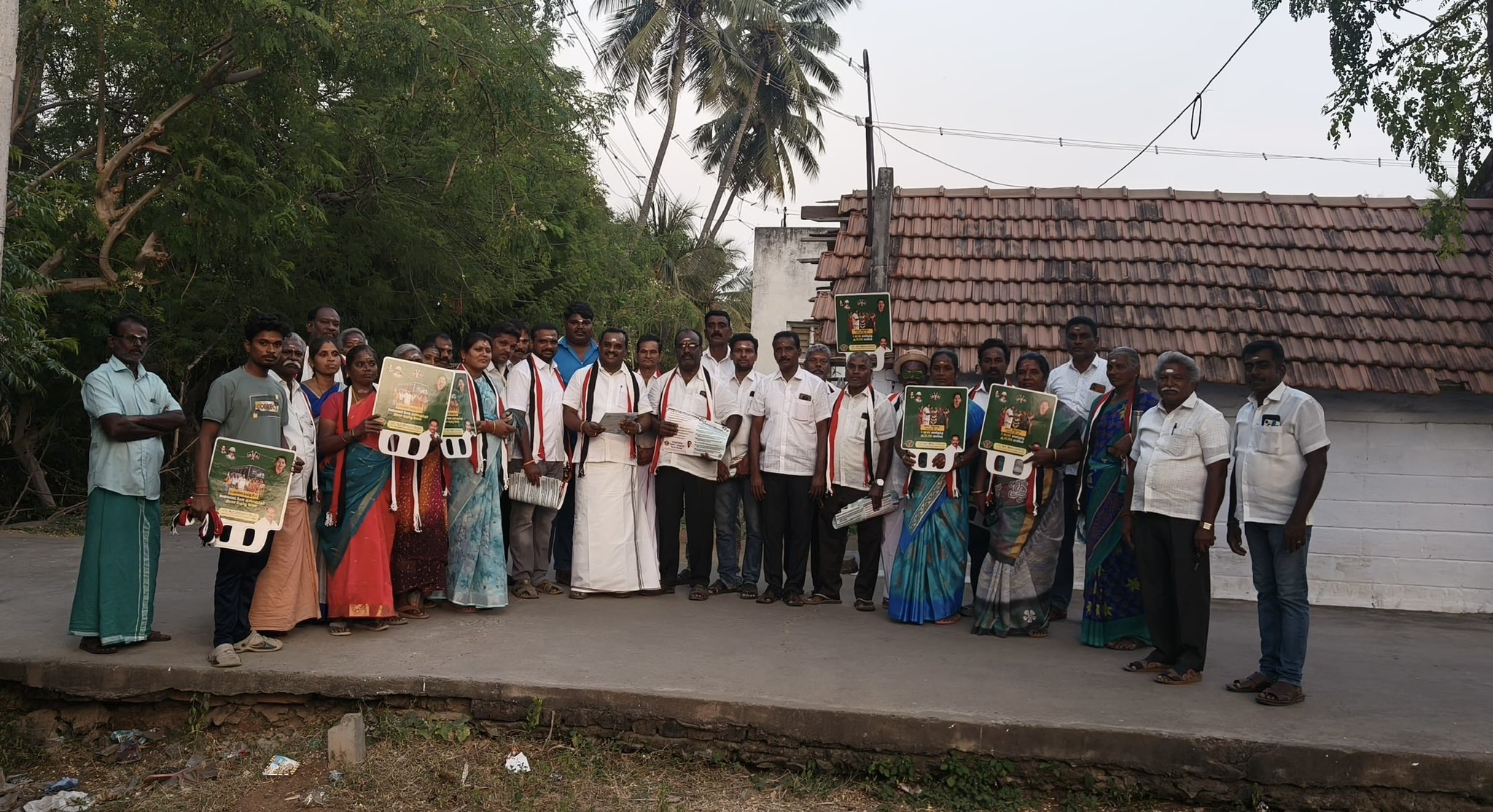 Tamil Nadu by-election campaign volunteers
Historical Context: From Dravidian Roots to Modern Playbooks
The DMK’s origins lie in Dravidian rationalism and anti‑Hindi agitations of the 1960s. Over the decades, the party evolved, adopting welfare schemes, populist policies, and a strong cadre base. However, the last two election cycles exposed cracks—declining voter turnout in rural pockets and a growing perception of dynastic politics.
Udhayanidhi’s rally is therefore a deliberate attempt to recalibrate:
- Re‑energize the cadre by infusing fresh faces and youthful energy.
- Leverage data‑driven canvassing to pinpoint swing voters.
- Blend cultural capital (film industry) with political messaging.
What the Numbers Tell Us
Pre‑poll surveys conducted by TV18 and Asianet indicate a 5‑7% swing towards the DMK in the contested constituencies, compared to the last general election. While pollsters caution against over‑reliance on early data, the trend suggests that the 750‑volunteer model is resonating.
Moreover, social listening tools (e.g., Brandwatch) show a 30% increase in positive sentiment for the DMK’s “new formula” hashtag over the past week, outpacing the AIADMK’s #PalaniswamiPromise.
Potential Risks and Criticisms
- Tokenism vs. Substance: Critics argue that a rally of numbers does not guarantee policy depth. The DMK must translate enthusiasm into tangible development promises.
- Dynastic Fatigue: While Udhayanidhi brings fresh energy, the Stalin family’s dominance may alienate voters seeking broader representation.
- Opposition Unity: If opposition parties consolidate around a common anti‑DMK narrative, the momentum could stall.
The Road Ahead: By‑Elections as a Litmus Test
The upcoming by‑elections, scheduled for late November 2026, will serve as a real‑time laboratory for the DMK’s new strategy. Success could cement a blueprint for future state and national contests, while failure might force a strategic retreat to more conventional campaign tactics.
Editorial Analysis & Future Outlook
Udhayanidhi Stalin’s 750‑person rally is more than a headline; it is a strategic inflection point for Tamil Nadu politics. By marrying celebrity influence with data‑centric grassroots mobilization, the DMK is attempting to rewrite the rules of electoral engagement in a state where identity politics has long reigned.
If the by‑elections validate this approach, we can anticipate a cascade effect:
- Other regional parties may adopt similar micro‑volunteer frameworks, shifting the political discourse from broad caste‑based appeals to hyper‑local issue‑based campaigning.
- National parties could recalibrate their South Indian strategies, allocating more resources to digital outreach and youth‑centric narratives.
- Policy formulation may become more responsive, as real‑time voter feedback loops become integral to campaign planning.
Conversely, should the DMK falter, it will underscore the limitations of celebrity‑driven politics in the face of grounded grassroots expectations. The electorate’s appetite for authentic development over star power will remain the ultimate arbiter.
In any scenario, the 750‑volunteer experiment marks a decisive moment where political tradition meets modern campaign science. Observers, analysts, and voters alike should watch closely, for the outcomes will likely shape not only Tamil Nadu’s political future but also the evolving playbook of Indian democracy.
Original Reporting & Source: Google Trends (India)

Discussion (0)
Sign in to join the discussion.
No comments yet. Be the first to start the conversation!