Umang Sisodia • • 5 min read • 1 view

Uttar Pradesh Announces ₹52/kg Sugar Subsidy: What It Means for Consumers, Farmers & the Economy
Listen to Article
Select a voice and press play
Uttar Pradesh Announces ₹52/kg Sugar Subsidy: What It Means for Consumers, Farmers & the Economy

Key Takeaways

  • Uttar Pradesh will supply refined sugar to the public at a subsidised rate of ₹52 per kilogram.
  • The move aims to prevent price spikes during upcoming festivals and to leverage a 70.64 lakh quintal stockpile in state warehouses.
  • While consumers cheer, economists warn of fiscal strain, market distortions and potential WTO scrutiny.
  • Long‑term sustainability hinges on transparent procurement, efficient distribution and a balanced fiscal policy.

Background: Sugar Policy in Uttar Pradesh

Uttar Pradesh (UP), India’s most populous state, has long been a powerhouse in the nation’s sugar industry. The state contributes roughly 30% of India’s total sugarcane production and houses a dense network of sugar mills, warehouses and ‘चिनीमंडी’ (sugar markets). Over the past decade, sugar prices have been volatile, driven by monsoon variability, global sugar trade dynamics and domestic policy shifts.

The ‘चिनीमंडी’ term has surged on Google Trends, reflecting public anxiety about sugar availability and price hikes, especially ahead of major festivals like Diwali and Navratri when household consumption spikes. Recent news reports from ChiniMandi, Dainik Bhaskar and Jagran confirm that the UP government has taken a decisive step to calm the market.

“The state has a surplus of 70.64 lakh quintals of sugar in its warehouses, ensuring that there will be no shortage during the festive season,” – senior official, Uttar Pradesh Food & Civil Supplies Department.

The Decision: ₹52/kg Subsidy

On [date], the Uttar Pradesh cabinet approved a price ceiling of ₹52 per kilogram for refined sugar sold through the state’s public distribution system (PDS) and authorised retail outlets. The subsidy will be funded through the state’s Agriculture Development Fund, tapping into the existing sugar stockpile.

Key elements of the policy:

  1. Target Beneficiaries: All households under the PDS, plus a limited quota for the general public via authorised retailers.
  2. Distribution Channels: State‑run warehouses, licensed sugar depots, and selected private retailers under a controlled pricing agreement.
  3. Duration: Initially announced for six months, covering the peak festive period, with a review after the Diwali season.
  4. Pricing Mechanism: The government will procure sugar at market rates, absorb the price gap, and sell at the fixed ₹52/kg price.

The decision has been framed as a ‘people‑first’ initiative, aimed at preventing inflationary pressures on essential commodities.

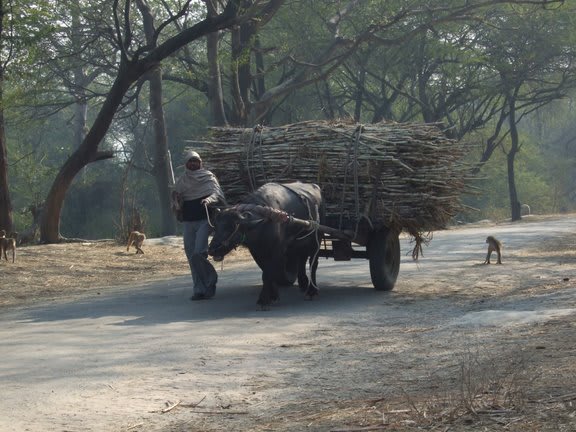
Sugar market stalls Uttar Pradesh Sugar market stalls Uttar Pradesh

Market Reaction: Prices, Traders, and Farmers

Immediate Price Impact

Within hours of the announcement, major sugar retailers in Lucknow, Kanpur and Agra reported a 5‑7% dip in retail prices, aligning closer to the subsidised rate. Online marketplaces like BigBasket and Grofers adjusted their listings, offering the ₹52/kg price for a limited stock.

Trader Sentiment

While many traders welcomed the move, some expressed concerns about stock hoarding. The state has mandated strict inventory monitoring through a digital ledger to curb black‑market diversion.

Farmer Perspective

For sugarcane growers, the policy presents a mixed bag. On one hand, a guaranteed off‑take of surplus sugar could stabilise market demand, potentially supporting cane prices. On the other hand, if the subsidy leads to over‑consumption, it may pressure mills to procure more cane, affecting procurement rates.

Political and Social Implications

The subsidy arrives at a politically sensitive juncture. With the UP Legislative Assembly elections slated for early next year, the ruling party is keen to showcase tangible welfare measures. The policy also resonates with the central government's broader agenda of price stabilization for essential commodities.

Socially, the move is expected to ease the financial burden on low‑income families, especially women who manage household grocery budgets. However, critics argue that subsidies can become a fiscal habit, diverting resources from other critical sectors like health and education.

Challenges Ahead: Fiscal Strain, Supply Chain, and WTO

Fiscal Sustainability

Funding the price gap between market rates (often above ₹80/kg) and the ₹52 ceiling will require substantial state expenditure. Analysts estimate an annual outlay of ₹2,500‑₹3,000 crore if the scheme expands beyond the initial six months.

Supply Chain Logistics

Ensuring that sugar reaches end‑consumers without leakage demands robust logistics and monitoring. The state plans to use GPS‑enabled trucks, real‑time inventory dashboards, and third‑party audits to maintain transparency.

International Trade Concerns

India is a major sugar exporter. The WTO monitors subsidies that could affect global trade flows. While the UP scheme is domestic‑focused, there is a risk of complaints from trading partners if the policy is perceived as a trade‑distorting measure.

Editorial Analysis & Future Outlook

The Uttar Pradesh sugar subsidy is a high‑visibility policy experiment that straddles welfare, economics and politics. In the short term, it is likely to stabilise retail prices, boost consumer confidence and provide a political win for the incumbent government.

However, the long‑term viability hinges on three critical factors:

  1. Fiscal Discipline – The state must balance subsidy costs against revenue streams, possibly by phasing out the scheme once the festive demand subsides.
  2. Supply Chain Integrity – Robust monitoring will be essential to prevent diversion and ensure that the intended beneficiaries receive the benefit.
  3. Policy Coordination – Aligning the UP subsidy with central government’s sugar pricing policies and global trade commitments will mitigate legal and diplomatic risks.

If managed prudently, the scheme could serve as a template for other states grappling with essential commodity price volatility. Conversely, missteps could deepen fiscal deficits and erode public trust. As the festive season unfolds, the true impact of the ₹52/kg sugar subsidy will become clearer, offering valuable lessons for India’s broader approach to food security and price stabilization.


Original Reporting & Source: Google Trends (India)

Discussion (0)

Sign in to join the discussion.

No comments yet. Be the first to start the conversation!

| |

Uttar Pradesh Announces ₹52/kg Sugar Subsidy: What It Means for Consumers, Farmers & the Economy

By Umang Sisodia • 5 min read • 1 view

Key Takeaways

  • Uttar Pradesh will supply refined sugar to the public at a subsidised rate of ₹52 per kilogram.
  • The move aims to prevent price spikes during upcoming festivals and to leverage a 70.64 lakh quintal stockpile in state warehouses.
  • While consumers cheer, economists warn of fiscal strain, market distortions and potential WTO scrutiny.
  • Long‑term sustainability hinges on transparent procurement, efficient distribution and a balanced fiscal policy.

Background: Sugar Policy in Uttar Pradesh

Uttar Pradesh (UP), India’s most populous state, has long been a powerhouse in the nation’s sugar industry. The state contributes roughly 30% of India’s total sugarcane production and houses a dense network of sugar mills, warehouses and ‘चिनीमंडी’ (sugar markets). Over the past decade, sugar prices have been volatile, driven by monsoon variability, global sugar trade dynamics and domestic policy shifts.

The ‘चिनीमंडी’ term has surged on Google Trends, reflecting public anxiety about sugar availability and price hikes, especially ahead of major festivals like Diwali and Navratri when household consumption spikes. Recent news reports from ChiniMandi, Dainik Bhaskar and Jagran confirm that the UP government has taken a decisive step to calm the market.

“The state has a surplus of 70.64 lakh quintals of sugar in its warehouses, ensuring that there will be no shortage during the festive season,” – senior official, Uttar Pradesh Food & Civil Supplies Department.

The Decision: ₹52/kg Subsidy

On [date], the Uttar Pradesh cabinet approved a price ceiling of ₹52 per kilogram for refined sugar sold through the state’s public distribution system (PDS) and authorised retail outlets. The subsidy will be funded through the state’s Agriculture Development Fund, tapping into the existing sugar stockpile.

Key elements of the policy:

  1. Target Beneficiaries: All households under the PDS, plus a limited quota for the general public via authorised retailers.
  2. Distribution Channels: State‑run warehouses, licensed sugar depots, and selected private retailers under a controlled pricing agreement.
  3. Duration: Initially announced for six months, covering the peak festive period, with a review after the Diwali season.
  4. Pricing Mechanism: The government will procure sugar at market rates, absorb the price gap, and sell at the fixed ₹52/kg price.

The decision has been framed as a ‘people‑first’ initiative, aimed at preventing inflationary pressures on essential commodities.

Sugar market stalls Uttar Pradesh Sugar market stalls Uttar Pradesh

Market Reaction: Prices, Traders, and Farmers

Immediate Price Impact

Within hours of the announcement, major sugar retailers in Lucknow, Kanpur and Agra reported a 5‑7% dip in retail prices, aligning closer to the subsidised rate. Online marketplaces like BigBasket and Grofers adjusted their listings, offering the ₹52/kg price for a limited stock.

Trader Sentiment

While many traders welcomed the move, some expressed concerns about stock hoarding. The state has mandated strict inventory monitoring through a digital ledger to curb black‑market diversion.

Farmer Perspective

For sugarcane growers, the policy presents a mixed bag. On one hand, a guaranteed off‑take of surplus sugar could stabilise market demand, potentially supporting cane prices. On the other hand, if the subsidy leads to over‑consumption, it may pressure mills to procure more cane, affecting procurement rates.

Political and Social Implications

The subsidy arrives at a politically sensitive juncture. With the UP Legislative Assembly elections slated for early next year, the ruling party is keen to showcase tangible welfare measures. The policy also resonates with the central government's broader agenda of price stabilization for essential commodities.

Socially, the move is expected to ease the financial burden on low‑income families, especially women who manage household grocery budgets. However, critics argue that subsidies can become a fiscal habit, diverting resources from other critical sectors like health and education.

Challenges Ahead: Fiscal Strain, Supply Chain, and WTO

Fiscal Sustainability

Funding the price gap between market rates (often above ₹80/kg) and the ₹52 ceiling will require substantial state expenditure. Analysts estimate an annual outlay of ₹2,500‑₹3,000 crore if the scheme expands beyond the initial six months.

Supply Chain Logistics

Ensuring that sugar reaches end‑consumers without leakage demands robust logistics and monitoring. The state plans to use GPS‑enabled trucks, real‑time inventory dashboards, and third‑party audits to maintain transparency.

International Trade Concerns

India is a major sugar exporter. The WTO monitors subsidies that could affect global trade flows. While the UP scheme is domestic‑focused, there is a risk of complaints from trading partners if the policy is perceived as a trade‑distorting measure.

Editorial Analysis & Future Outlook

The Uttar Pradesh sugar subsidy is a high‑visibility policy experiment that straddles welfare, economics and politics. In the short term, it is likely to stabilise retail prices, boost consumer confidence and provide a political win for the incumbent government.

However, the long‑term viability hinges on three critical factors:

  1. Fiscal Discipline – The state must balance subsidy costs against revenue streams, possibly by phasing out the scheme once the festive demand subsides.
  2. Supply Chain Integrity – Robust monitoring will be essential to prevent diversion and ensure that the intended beneficiaries receive the benefit.
  3. Policy Coordination – Aligning the UP subsidy with central government’s sugar pricing policies and global trade commitments will mitigate legal and diplomatic risks.

If managed prudently, the scheme could serve as a template for other states grappling with essential commodity price volatility. Conversely, missteps could deepen fiscal deficits and erode public trust. As the festive season unfolds, the true impact of the ₹52/kg sugar subsidy will become clearer, offering valuable lessons for India’s broader approach to food security and price stabilization.


Original Reporting & Source: Google Trends (India)