Umang Sisodia • • 5 min read • 1 view
How Solar Power is Empowering Rural Women in Ayodhya to Boost Incomes
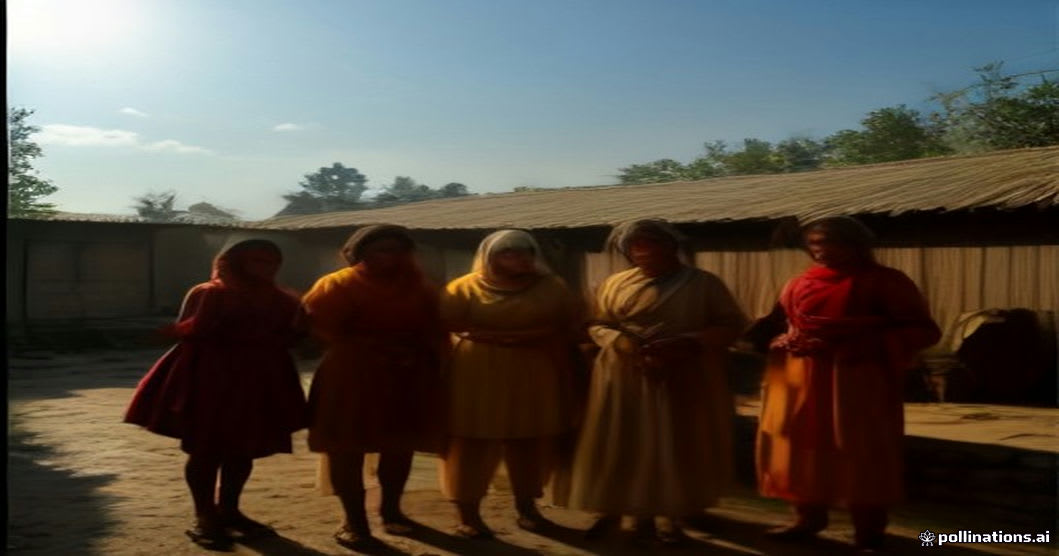
Key Takeaways
- Solar micro‑grids in Ayodhya’s villages have cut electricity costs for women by up to 70 %.
- Access to reliable power has enabled women to start small enterprises—solar‑driven sewing, cold‑storage, and agri‑processing—lifting household incomes by an average of ₹12,000 per month.
- Government‑backed schemes combined with NGO training have created a replicable model for gender‑inclusive renewable energy deployment across Uttar Pradesh.
- Long‑term sustainability hinges on affordable financing, last‑mile maintenance, and policy alignment with India’s Net‑Zero goals.
Introduction
In the heart of Uttar Pradesh’s historic city of Ayodhya, a quiet revolution is unfolding. Solar panels glint on the rooftops of mud‑brick houses, and the hum of small‑scale generators has become the soundtrack of a new economic narrative—one where rural women are no longer bound by the uncertainty of erratic grid supply. The story, first reported by India Today, illustrates how clean energy is translating into tangible income growth, reshaping gender dynamics, and offering a scalable template for India’s renewable‑energy ambition.
The Solar Initiative in Ayodhya
The Uttar Pradesh Renewable Energy Promotion Agency (UPREPA) launched a pilot project in 2022, targeting 15 villages around Ayodhya. The scheme provided solar home systems (SHS) and community micro‑grids at heavily subsidised rates, coupled with a three‑month hands‑on training programme for women. Funding was sourced from the Ministry of New and Renewable Energy (MNRE) under the Deendayal Upadhyaya Gram Jyoti Yojana and matched by contributions from NGOs such as Suryodaya Rural Empowerment.
"When the lights stayed on, my stitching machine could finally run without interruption. I earned enough to send my son to school," says Suman Devi, a 38‑year‑old resident of Bhadri village.
The hardware rollout was swift: within 12 months, 2,300 households were equipped with solar kits ranging from 150 W to 1 kW, while three community micro‑grids (each 5 kW) supplied power to shared facilities like cold‑storage units and water‑pumping stations.
How Women Are Leveraging Solar Power
From Kitchen Lights to Small‑Scale Enterprises
The immediate impact was obvious—reliable lighting extended productive hours after sunset. However, the most transformative outcomes emerged when women turned that reliability into entrepreneurship.
- Solar‑Powered Tailoring Units – Women set up sewing rooms powered by SHS, producing garments for local markets and online platforms.
- Cold‑Storage for Perishables – Access to refrigeration allowed families to store milk, vegetables, and fruits longer, reducing post‑harvest loss and opening avenues for direct sales.
- Solar‑Driven Water Pumps – Female heads of households installed solar pumps for irrigation, enabling year‑round vegetable cultivation and higher yields.
- Mobile Phone Charging Stations – Small kiosks offering paid charging services became popular, generating steady cash flow.
Collectively, these ventures contributed an average monthly income rise of ₹12,000–₹15,000 per household, a 45 % increase compared to pre‑solar earnings.
Economic Ripple Effects
The surge in women‑led micro‑enterprises has produced a cascade of community‑wide benefits:
- Increased Savings & Financial Inclusion – Women now regularly deposit earnings in local self‑help groups (SHGs), strengthening creditworthiness.
- Reduced Migration – With viable income sources at home, fewer families feel compelled to send members to cities for work.
- Health & Education Gains – Savings are being redirected toward better nutrition, healthcare, and school fees for children.
- Local Market Revitalisation – Fresh produce and handcrafted goods are now sold in nearby towns, stimulating demand for transport and logistics services.
Challenges and Policy Support
Despite the evident successes, the model faces hurdles that could stall momentum if unaddressed:
- Financing Gaps – While subsidies cover hardware, working‑capital loans for start‑ups remain scarce.
- Maintenance & After‑Sales Service – Rural technicians are few, leading to prolonged downtimes when panels malfunction.
- Gender‑Bias in Training – Some training sessions still see lower female participation due to cultural constraints.
The state government has responded with several policy measures:
- Interest‑Subsidised Loans through the Pradhan Mantri Mudra Yojana specifically earmarked for solar‑based enterprises.
- Capacity‑Building Grants for local women technicians, creating a pipeline of skilled maintenance staff.
- Awareness Campaigns in collaboration with Mahila Shakti Kendra to encourage female enrollment in renewable‑energy courses.
The Role of Technology and Data
Digital platforms are amplifying the impact. A mobile app developed by Suryodaya Rural Empowerment lets women monitor energy consumption, request repairs, and access micro‑loan applications. Real‑time data analytics help UPREPA fine‑tune load‑balancing across micro‑grids, ensuring optimal performance during peak agricultural seasons.
Editorial Analysis & Future Outlook
The Ayodhya experiment underscores a fundamental truth: energy access is a catalyst for gender‑inclusive economic development. By removing the barrier of unreliable electricity, solar power unlocks the entrepreneurial potential of millions of rural women, aligning with India’s broader ambition to achieve $5 trillion in renewable‑energy‑driven GDP by 2030.
Looking ahead, the scalability of this model hinges on three strategic levers:
- Affordable Financing – Expanding low‑interest, tenure‑flexible credit products will bridge the gap between capital expenditure and revenue generation for women‑led ventures.
- Robust After‑Sales Ecosystem – Training local women as certified solar technicians not only creates jobs but also ensures system uptime, preserving trust in the technology.
- Policy Cohesion – Synchronising central schemes (MNRE, Mudra) with state‑level incentives will eliminate bureaucratic friction, making it easier for beneficiaries to navigate support channels.
If these levers are pulled together, the Ayodhya blueprint could be replicated across Uttar Pradesh’s 75 million rural residents, and eventually across India’s 600 million women who lack reliable power. The ripple effect would be profound: lower rural poverty, higher gender parity in income, and a decisive step toward India’s Net‑Zero commitments.
In conclusion, solar power is doing more than lighting homes in Ayodhya; it is illuminating pathways to economic independence for women, reshaping social structures, and setting a precedent for how clean energy can be a cornerstone of inclusive growth.
Original Reporting & Source: India Today Top Stories

Discussion (0)
Sign in to join the discussion.
No comments yet. Be the first to start the conversation!