Umang Sisodia • • 5 min read • 3 views

Garba Clash in Ahmedabad: Right‑Wing Groups Expel Muslim Youths, Congress Leader Shoved on Stage

Listen to Article
Select a voice and press play
Garba Clash in Ahmedabad: Right‑Wing Groups Expel Muslim Youths, Congress Leader Shoved on Stage

Key Takeaways

  • Right‑wing outfits disrupted a popular Garba event in Ahmedabad, demanding the removal of Muslim youths and physically confronting Congress MP Aditya Gadhvi.
  • The incident sparked nationwide outrage, highlighting rising communal tensions ahead of Gujarat's festive season and upcoming elections.
  • Political leaders across the spectrum condemned the disruption, while social media amplified polarized narratives.
  • Legal experts warn the episode could set a precedent for future cultural events, urging stricter enforcement of secular public space norms.

Background

Gujarat’s Navratri celebrations are a cultural cornerstone, drawing millions to dance the night away at Garba venues across the state. This year, a high‑profile event in Ahmedabad, organized by popular singer‑songwriter Khalasi, featured a line‑up of artists, including Congress MP Aditya Gadhvi. The venue, a sprawling community hall in the city’s Khadki area, was expected to host a diverse crowd.

Historically, Garba has been lauded for its inclusive ethos, with participants from various faiths joining the rhythmic circles. However, the rise of right‑wing vigilante groups—notably affiliates of the Vishwa Hindu Parishad (VHP) and Bharatiya Janata Party’s (BJP) student wings—has increasingly challenged this tradition, especially in the politically charged climate of Gujarat.

The Incident Unfolds

On the night of October 14, 2024, as the drums intensified, a contingent of right‑wing activists entered the venue armed with placards reading “Muslim youths not welcome” and “Save our culture.” Eyewitnesses reported that the group surrounded the stage, shouting slogans and demanding the immediate removal of any non‑Hindu attendees.

Midway through Gadhvi’s performance, the activists shoved the Congress leader off the stage, causing a brief but chaotic scramble. Security personnel intervened, but the disruption had already escalated. Several Muslim youths were escorted out by the group’s members, leading to a tense standoff that lasted for nearly fifteen minutes before police arrived to restore order.

"We came here to celebrate Navratri, not to be segregated by religion. This is an attack on our constitutional right to freedom of assembly," said Rashid Patel, a 22‑year‑old college student who was among those asked to leave.

Political Reactions

The episode triggered swift condemnations:

  • Aditya Gadhvi issued a statement asserting, “My politics is inclusive; I stand with every citizen who wishes to celebrate our heritage without fear.”
  • Chief Minister Bhupendra Patel labeled the act “unacceptable” and promised an inquiry, while also urging the public to respect the secular fabric of Navratri.
  • Opposition parties seized the moment, with the Aam Aadmi Party (AAP) and Shiv Sena demanding stricter action against hate‑driven groups.
  • Right‑wing leaders defended their actions, claiming they were protecting cultural purity, a narrative that found resonance among a segment of the electorate.

Social Media Storm

Within hours, the incident trended on Twitter, X, and Instagram, with hashtags like #GarbaGate, #SecularNavratri, and #AdityaGadhvi gaining momentum. Video clips of the confrontation circulated widely, prompting heated debates:

  • Supporters of the activists argued that the Garba event was being “hijacked” by political agendas.
  • Civil society groups, including the All India Minorities Front, organized a digital petition demanding legal action against the perpetrators.
  • Fact‑check agencies worked to verify claims, confirming that the event organizers had indeed invited participants of all faiths, contradicting the agitators’ narrative.
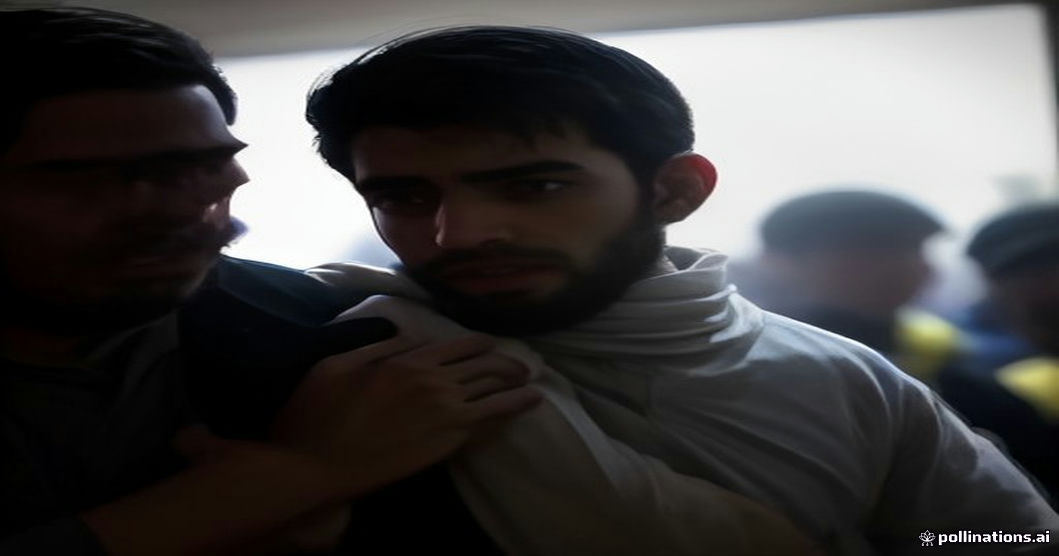
right-wing activists protest Gujarat festival right-wing activists protest Gujarat festival

Legal scholars point out that the incident potentially breaches several statutes:

  1. Section 153A of the Indian Penal Code – promoting enmity between different groups on grounds of religion.
  2. The Constitution’s Article 19(1)(a) – guaranteeing freedom of speech and assembly.
  3. The Model Code of Conduct – which, during election periods, restricts hate speech and communal provocation.

Ethically, the episode raises questions about the commercialization of cultural festivals and the responsibility of event organizers to ensure a safe, inclusive environment. Experts suggest that future events may need mandatory security briefings and clear anti‑discrimination policies.

Broader Communal Context

Gujarat’s political landscape has long been a microcosm of India’s communal dynamics. While the state boasts a reputation for economic development, it also bears the scars of past communal riots. The Garba disruption is seen by many as a symptom of growing polarization, exacerbated by polarizing rhetoric on social media and political mobilization ahead of the 2025 state elections.

The incident also mirrors a national trend where cultural spaces—from film festivals to literary gatherings—are increasingly contested battlegrounds for identity politics. Observers warn that if left unchecked, such disruptions could erode the secular fabric that underpins India’s democratic ethos.

Editorial Analysis & Future Outlook

The Ahmedabad Garba clash is more than a momentary flashpoint; it is indicative of a deepening fault line between inclusive cultural traditions and exclusionary identity politics. As right‑wing groups continue to leverage symbolic festivals to project a homogenized cultural narrative, the onus falls on political leaders, civil society, and the judiciary to reaffirm constitutional safeguards.

In the short term, we can expect:

  • Heightened security protocols at major festivals across Gujarat and other states.
  • Legal proceedings against the identified agitators, setting a precedent for future deterrence.
  • Intensified political campaigning, with opposition parties using the incident to rally secular voters.

Long‑term, the incident could catalyze a re‑evaluation of event licensing procedures, compelling organizers to adopt explicit inclusion clauses and real‑time monitoring mechanisms. Moreover, the digital amplification of such events underscores the need for responsible social media governance to curb misinformation and hate.

Ultimately, preserving the spirit of Navratri—a celebration of unity, resilience, and cultural vibrancy—depends on a collective commitment to reject divisive narratives and uphold the right of every citizen to participate freely. The coming months will test whether India’s democratic institutions can rise to the challenge and protect its pluralistic heritage.


Original Reporting & Source: Google Trends (India)

Discussion (0)

Sign in to join the discussion.

No comments yet. Be the first to start the conversation!

| |

Garba Clash in Ahmedabad: Right‑Wing Groups Expel Muslim Youths, Congress Leader Shoved on Stage

By Umang Sisodia • 5 min read • 3 views

Key Takeaways

  • Right‑wing outfits disrupted a popular Garba event in Ahmedabad, demanding the removal of Muslim youths and physically confronting Congress MP Aditya Gadhvi.
  • The incident sparked nationwide outrage, highlighting rising communal tensions ahead of Gujarat's festive season and upcoming elections.
  • Political leaders across the spectrum condemned the disruption, while social media amplified polarized narratives.
  • Legal experts warn the episode could set a precedent for future cultural events, urging stricter enforcement of secular public space norms.

Background

Gujarat’s Navratri celebrations are a cultural cornerstone, drawing millions to dance the night away at Garba venues across the state. This year, a high‑profile event in Ahmedabad, organized by popular singer‑songwriter Khalasi, featured a line‑up of artists, including Congress MP Aditya Gadhvi. The venue, a sprawling community hall in the city’s Khadki area, was expected to host a diverse crowd.

Historically, Garba has been lauded for its inclusive ethos, with participants from various faiths joining the rhythmic circles. However, the rise of right‑wing vigilante groups—notably affiliates of the Vishwa Hindu Parishad (VHP) and Bharatiya Janata Party’s (BJP) student wings—has increasingly challenged this tradition, especially in the politically charged climate of Gujarat.

The Incident Unfolds

On the night of October 14, 2024, as the drums intensified, a contingent of right‑wing activists entered the venue armed with placards reading “Muslim youths not welcome” and “Save our culture.” Eyewitnesses reported that the group surrounded the stage, shouting slogans and demanding the immediate removal of any non‑Hindu attendees.

Midway through Gadhvi’s performance, the activists shoved the Congress leader off the stage, causing a brief but chaotic scramble. Security personnel intervened, but the disruption had already escalated. Several Muslim youths were escorted out by the group’s members, leading to a tense standoff that lasted for nearly fifteen minutes before police arrived to restore order.

"We came here to celebrate Navratri, not to be segregated by religion. This is an attack on our constitutional right to freedom of assembly," said Rashid Patel, a 22‑year‑old college student who was among those asked to leave.

Political Reactions

The episode triggered swift condemnations:

  • Aditya Gadhvi issued a statement asserting, “My politics is inclusive; I stand with every citizen who wishes to celebrate our heritage without fear.”
  • Chief Minister Bhupendra Patel labeled the act “unacceptable” and promised an inquiry, while also urging the public to respect the secular fabric of Navratri.
  • Opposition parties seized the moment, with the Aam Aadmi Party (AAP) and Shiv Sena demanding stricter action against hate‑driven groups.
  • Right‑wing leaders defended their actions, claiming they were protecting cultural purity, a narrative that found resonance among a segment of the electorate.

Social Media Storm

Within hours, the incident trended on Twitter, X, and Instagram, with hashtags like #GarbaGate, #SecularNavratri, and #AdityaGadhvi gaining momentum. Video clips of the confrontation circulated widely, prompting heated debates:

  • Supporters of the activists argued that the Garba event was being “hijacked” by political agendas.
  • Civil society groups, including the All India Minorities Front, organized a digital petition demanding legal action against the perpetrators.
  • Fact‑check agencies worked to verify claims, confirming that the event organizers had indeed invited participants of all faiths, contradicting the agitators’ narrative.

right-wing activists protest Gujarat festival right-wing activists protest Gujarat festival

Legal scholars point out that the incident potentially breaches several statutes:

  1. Section 153A of the Indian Penal Code – promoting enmity between different groups on grounds of religion.
  2. The Constitution’s Article 19(1)(a) – guaranteeing freedom of speech and assembly.
  3. The Model Code of Conduct – which, during election periods, restricts hate speech and communal provocation.

Ethically, the episode raises questions about the commercialization of cultural festivals and the responsibility of event organizers to ensure a safe, inclusive environment. Experts suggest that future events may need mandatory security briefings and clear anti‑discrimination policies.

Broader Communal Context

Gujarat’s political landscape has long been a microcosm of India’s communal dynamics. While the state boasts a reputation for economic development, it also bears the scars of past communal riots. The Garba disruption is seen by many as a symptom of growing polarization, exacerbated by polarizing rhetoric on social media and political mobilization ahead of the 2025 state elections.

The incident also mirrors a national trend where cultural spaces—from film festivals to literary gatherings—are increasingly contested battlegrounds for identity politics. Observers warn that if left unchecked, such disruptions could erode the secular fabric that underpins India’s democratic ethos.

Editorial Analysis & Future Outlook

The Ahmedabad Garba clash is more than a momentary flashpoint; it is indicative of a deepening fault line between inclusive cultural traditions and exclusionary identity politics. As right‑wing groups continue to leverage symbolic festivals to project a homogenized cultural narrative, the onus falls on political leaders, civil society, and the judiciary to reaffirm constitutional safeguards.

In the short term, we can expect:

  • Heightened security protocols at major festivals across Gujarat and other states.
  • Legal proceedings against the identified agitators, setting a precedent for future deterrence.
  • Intensified political campaigning, with opposition parties using the incident to rally secular voters.

Long‑term, the incident could catalyze a re‑evaluation of event licensing procedures, compelling organizers to adopt explicit inclusion clauses and real‑time monitoring mechanisms. Moreover, the digital amplification of such events underscores the need for responsible social media governance to curb misinformation and hate.

Ultimately, preserving the spirit of Navratri—a celebration of unity, resilience, and cultural vibrancy—depends on a collective commitment to reject divisive narratives and uphold the right of every citizen to participate freely. The coming months will test whether India’s democratic institutions can rise to the challenge and protect its pluralistic heritage.


Original Reporting & Source: Google Trends (India)