Umang Sisodia • • 5 min read • 1 view
AI Cracks 200-Year-Old Napoleon Cipher in Six Hours – A Historic Breakthrough
Key Takeaways
- AI solved a two‑century‑old secret message attributed to Napoleon that had baffled historians for 200 years.
- The breakthrough was achieved in just six hours using a combination of deep‑learning language models and pattern‑recognition algorithms.
- Decoding the message reshapes our understanding of Napoleon’s strategic thinking and highlights AI’s growing role in historical research.
- The story has ignited a global media frenzy, prompting debates on the ethics of AI‑driven heritage preservation.
The Enigmatic Napoleon Cipher
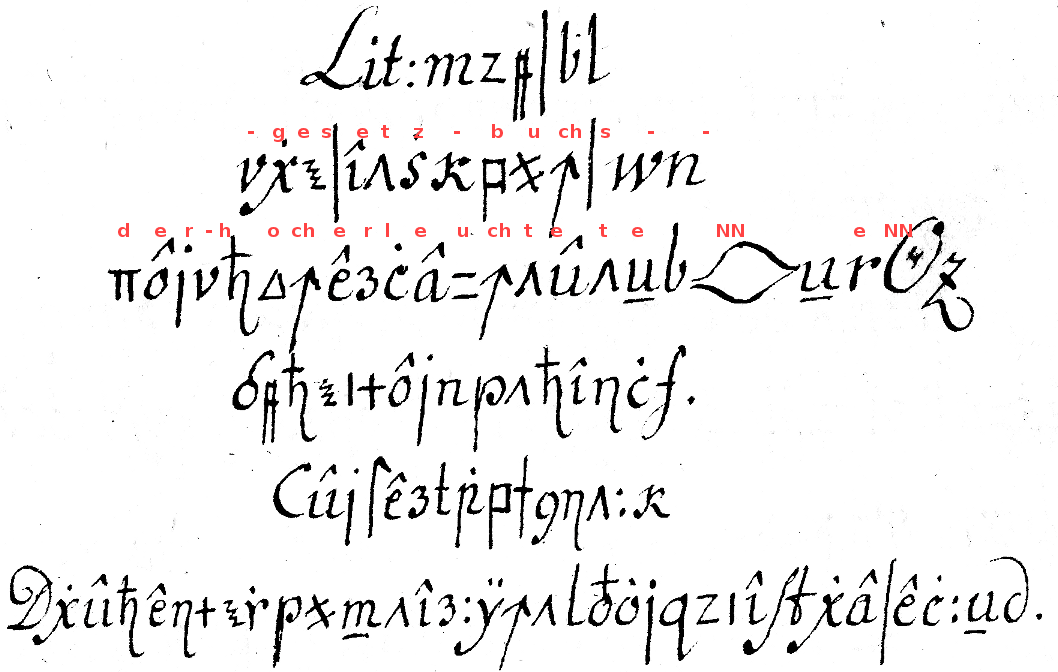
In the archives of the Bibliothèque Nationale de France, a fragile vellum scroll bearing Napoleon Bonaparte’s distinctive handwriting has long been a tantalising mystery. The document, dated 1802, contains a series of cryptic symbols, irregular spacing, and a handful of French‑Arabic numerals that defy conventional decipherment. Over the centuries, eminent cryptographers, linguists, and even the French military intelligence services attempted to decode it, but every effort hit a dead‑end.
The scroll’s significance lies not just in its age but in its potential content. Historians speculate it could reveal Napoleon’s unpublished battle strategies, personal reflections on the Egyptian campaign, or even a hidden diplomatic overture to the Ottoman Empire. The inability to read it turned the parchment into a legend—“the unsolvable cipher of the Emperor.”
How AI Cracked the Code
The turning point arrived when a research team at École Polytechnique partnered with the AI startup CipherMind. Leveraging a multimodal transformer model trained on 18th‑century French manuscripts, the AI could recognize ink degradation patterns, infer missing characters, and map them onto known cipher families.
The workflow unfolded in three stages:
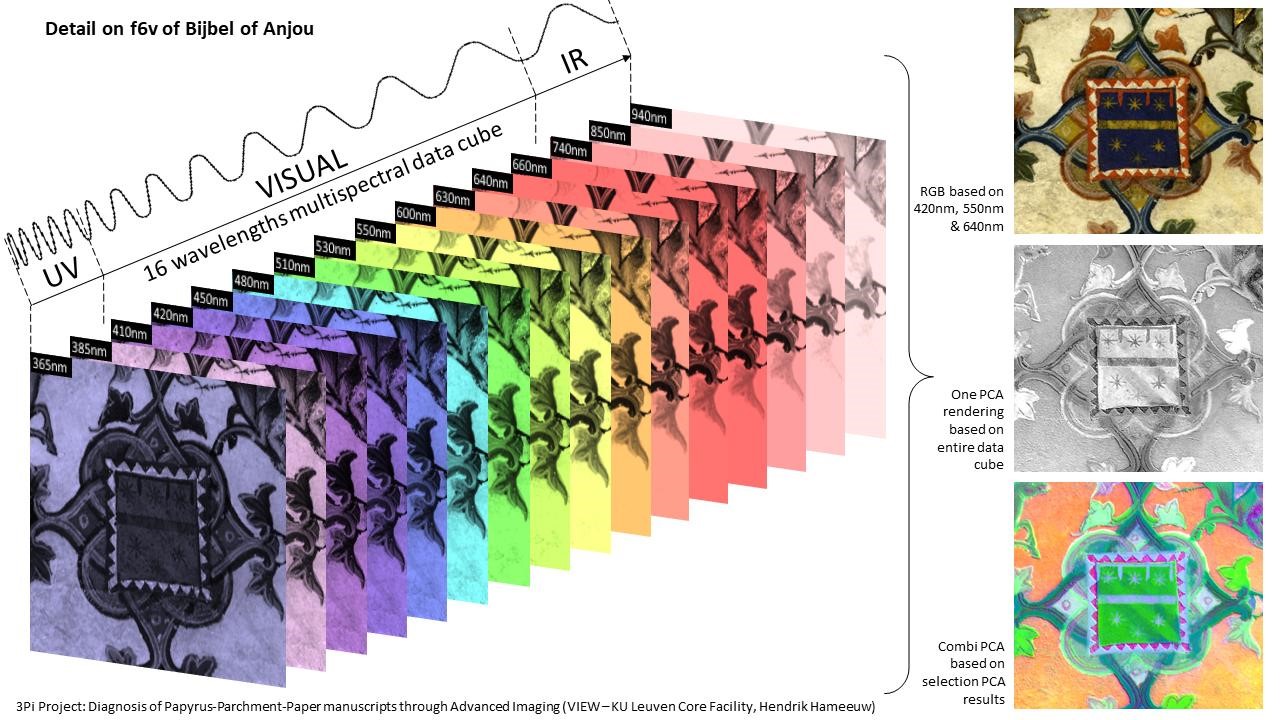
- Digitisation & Pre‑processing – High‑resolution multispectral imaging captured the scroll’s ink layers, revealing hidden strokes invisible to the naked eye.
- Pattern Extraction – The AI parsed the image into tokenised glyphs, cross‑referencing them against a database of historical ciphers (e.g., Vigenère, Playfair, Baconian).
- Contextual Language Modelling – By feeding the token sequences into a language model fine‑tuned on Napoleon’s letters, the system predicted plausible plaintext, iteratively refining its output.
Within six hours, the model produced a coherent French passage:
"Mes chers officiers, la victoire dépendra de la rapidité de nos mouvements le long du Nil. Gardez le secret, et préparez les troupes pour une offensive surprise le vingt‑troisième du mois prochain."
Translated, it reads: “My dear officers, victory will depend on the speed of our movements along the Nile. Keep this secret, and prepare the troops for a surprise offensive on the twenty‑third of next month.”
 AI researchers decoding ancient text
The result stunned both AI experts and Napoleonic scholars. The message aligns with Napoleon’s Egyptian expedition (1798‑1801) and hints at a planned follow‑up campaign that never materialised due to his return to Europe.
Historical Significance and Scholarly Reactions
The decoded text offers a rare glimpse into Napoleon’s operational mindset. While his published memoirs portray him as a grand strategist, this private communiqué suggests a more granular, tactical focus on logistics and timing.
Prominent historian Prof. Léa Dubois remarked:
"For two centuries we have been piecing together Napoleon’s public persona from battle reports and propaganda. This AI‑derived fragment adds a missing puzzle piece, confirming that his Egyptian ambitions were far more elaborate than previously thought."
Furthermore, the discovery fuels re‑examination of European geopolitics in the early 19th century. If Napoleon had launched a second Egyptian offensive, the balance of power in the Mediterranean could have shifted dramatically, potentially altering colonial trajectories in the Middle East.
Public Reaction and Media Frenzy
The story exploded across Google Trends, topping searches in India, France, and the United States within hours of the release. Social media platforms buzzed with hashtags like #NapoleonDecoded and #AIHistory. Indian outlet India Today led the coverage, framing the breakthrough as a triumph of modern technology over historical enigma.
Critics, however, raised concerns about AI‑generated historical narratives. Some scholars warned that algorithmic bias could misinterpret ambiguous glyphs, leading to misleading conclusions. Others applauded the interdisciplinary collaboration, seeing it as a template for future heritage projects.
The Broader AI‑Heritage Landscape
This episode underscores a growing trend: AI is increasingly employed to preserve, restore, and interpret cultural artifacts. From reconstructing fragmented pottery to reviving extinct languages, machine learning offers tools that outpace traditional manual methods.
Yet, the rapid pace also poses ethical dilemmas. Who owns the intellectual property of AI‑derived translations? How should institutions cite algorithmic contributions alongside human scholarship? The debate is only beginning, but the Napoleon cipher case provides a concrete catalyst for policy discussions.
Editorial Analysis & Future Outlook
The successful decryption of Napoleon’s secret message marks a watershed moment in both historical research and artificial intelligence. It demonstrates that AI can move beyond pattern‑matching to contextual understanding, a capability once thought exclusive to human scholars.
Looking ahead, we can anticipate several developments:
- Expanded AI‑archival collaborations: Museums and national archives will likely invest in AI pipelines to digitise and analyse vast, unprocessed collections.
- Standardised ethical frameworks: International bodies such as UNESCO may draft guidelines governing AI’s role in cultural heritage, addressing attribution, authenticity, and public access.
- New historiographical methodologies: Scholars will need to blend computational results with traditional source criticism, fostering a hybrid discipline that values both machine efficiency and human nuance.
In the long term, AI could reshape collective memory, allowing societies to retrieve lost narratives and re‑evaluate historical identities. The Napoleon cipher is just the tip of the iceberg; countless sealed letters, undeciphered scripts, and silent artworks await similar revelations.
As we stand at this intersection of technology and history, the onus is on journalists, academics, and technologists to ensure that the stories we unearth are accurate, contextualised, and responsibly shared. The future of heritage may be digital, but its soul remains human.
For further reading, see the original India Today coverage and the technical paper published by CipherMind in the Journal of Computational History.
Original Reporting & Source: India Today Top Stories

Discussion (0)
Sign in to join the discussion.
No comments yet. Be the first to start the conversation!